
$0.00


In recent years, the homestay model has witnessed exponential growth, driven by a rising demand for leisure travel and immersion in nature-centric spaces. Alongside lodging architecture, the garden serves as a critical element that carves out a distinct charm, offering guests a profound sense of relaxation and comfort. A harmoniously designed outdoor landscape not only elevates the property’s aesthetic value but also creates stunning, shareable photo-ops, helping the homestay stand out in a crowded marketplace.
Today, homestay garden concepts are highly diversified across various aesthetics—ranging from lush tropical paradises and cozy, rustic countryside gardens to modern resort-inspired layouts integrated with pristine water features and unique mini-landscapes. Each design embodies its own captivating beauty, tailored to specific property sizes and business visions. Let us explore today’s most striking homestay garden designs to spark inspiration for creating your ideal retreat and captivating travelers.
Why Invest in Professional Landscape Design for Homestays?
In the hospitality industry, carving out a captivating and distinctive retreat is a crucial driver for attracting guests. Within this framework, a garden goes far beyond merely beautifying the landscape; it directly upgrades the guest experience, amplifies brand value, and drives bottom-line profitability. Consequently, investing in a structured homestay garden design stands as a strategic solution that delivers sustainable, long-term returns.
Striking an Unforgettable First Impression
First impressions often dictate a guest’s entire perception of a lodging property. A meticulously designed, lush outdoor landscape that blends seamlessly with the overall architecture instills an instant sense of tranquility the moment guests arrive. Immersing visitors in a nature-forward environment subtly showcases the host’s attention to detail and professionalism, significantly boosting return rates and enthusiastic word-of-mouth recommendations.
Amplifying Brand Equity and Competitive Edge
As the homestay market becomes increasingly crowded, possessing a signature, beautifully crafted garden allows a property to stand head and shoulders above its competitors. A bespoke landscape design not only mirrors the investor’s refined aesthetic taste but also solidifies a highly professional brand image. This creates a powerful competitive edge on online booking platforms (OTAs) and across social media networks.
Elevating the Ultimate Vacation Experience
The garden serves as the ideal canvas for guests to unwind, breathe in the fresh air, and engage in outdoor leisure. It can be dynamically configured for hosting BBQ parties, sipping morning tea, reading, stargazing, or capturing memorable travel photos. A scientifically laid-out garden layout adds immense tangible value to the property’s overall service quality, delivering a comprehensive and deeply satisfying vacation.
Aligning with Modern Green Tourism Trends
Today’s travelers increasingly prioritize eco-friendly accommodations that feature sprawling green spaces to restore work-life balance and decompress from urban hustle. Investing in a deliberate homestay garden setup not only satisfies this demand but also capitalizes on the fast-growing sustainable tourism and eco-resort movements. This remains a key catalyst for accelerating a homestay’s appeal and effectively capturing the modern, eco-conscious traveler demographic.
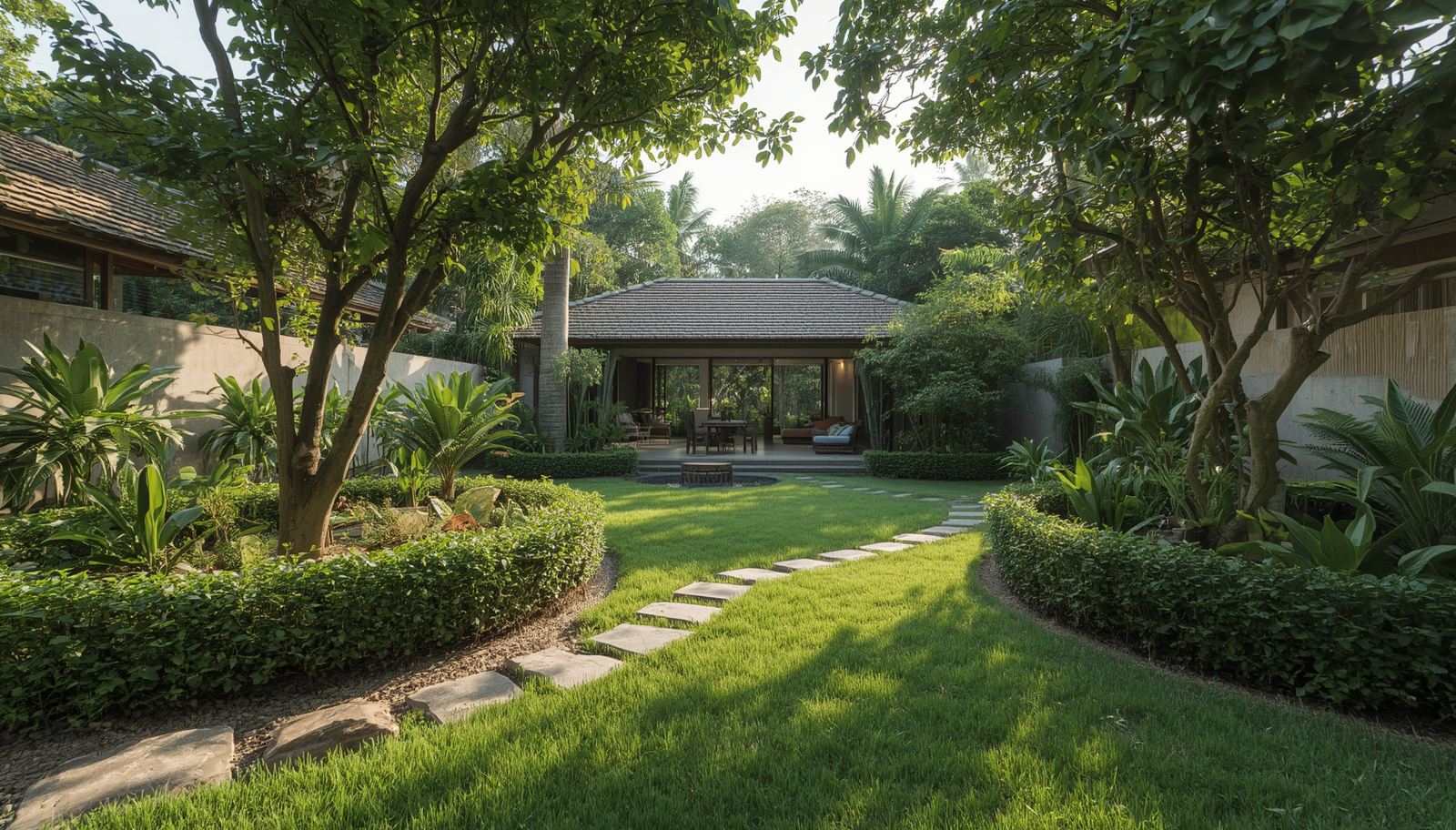
Homestay Landscape
Key Elements in Successful Homestay Garden Design
To craft a stunning, memorable, and enduring homestay garden, the design planning must be executed systematically. Beyond pure aesthetics, the outdoor space must satisfy functional requirements, complement the overarching architecture, and offer a deeply relaxing experience for guests. Below are the critical elements to consider when designing a homestay landscape.
Site Location and Spatial Footprint
Location and square footage are the foundational pillars that dictate how the outdoor space is organized. On expansive plots, one can effortlessly incorporate multiple features such as rolling lawns, water elements, lounge zones, or outdoor activity spaces. Conversely, properties with limited space should prioritize minimalist layout solutions, vertical greening, compact mini-landscapes, or strategically interspersed green pockets to maximize utility while maintaining an airy, open feel.
Ensuring Harmony with the Overarching Architecture
The garden must be designed in sync with the homestay’s architectural style to forge a unified narrative and a distinct identity. If the lodging boasts a rustic, nature-forward design, the landscape should favor organic materials like timber, natural stone, or bamboo. For modern homestays, the landscape lines can be sleeker, clean-cut, and more sophisticated. This seamless integration between architecture and scenery elevates the property’s aesthetic value and carves out its signature charm.
Thoughtful Layout of Pathways and Landscape Features
Pathways do not merely connect different zones; they actively shape the guest’s journey of exploration. Interweaving natural stone slabs, gravel, or wooden walkways with lush foliage evokes an intimate, soothing sensation. Additionally, focal features such as ponds, miniature waterfalls, pavilions, seating alcoves, or ornamental plant clusters must be balanced carefully to anchor the space and add visual depth to the garden.
Strategic Selection of Flora and Accents
Greenery is the beating heart of homestay garden design. Selecting plant species that thrive in the local climate and soil conditions—while matching the host’s maintenance capacity—keeps the landscape perpetually vibrant and keeps long-term upkeep costs in check. A thoughtful mix of canopy shade trees, shrubbery, turfgrass, and seasonal blooms creates rich tapestries of color and structural form. A thriving, life-filled garden instantly delivers that sought-after restorative connection with nature.
Architectural Landscape Lighting
Landscape lighting plays a vital role in perfecting the garden’s nighttime allure. Fixtures should be positioned intentionally along pathways, within plant beds, around water elements, and across outdoor communal areas to guarantee guest safety while magnifying the evening aesthetics. Solar-powered fixtures, well lights (in-ground uplights), or decorative warm-toned lighting are highly favored to wrap the outdoor space in a cozy, romantic, and deeply relaxing nighttime ambiance.
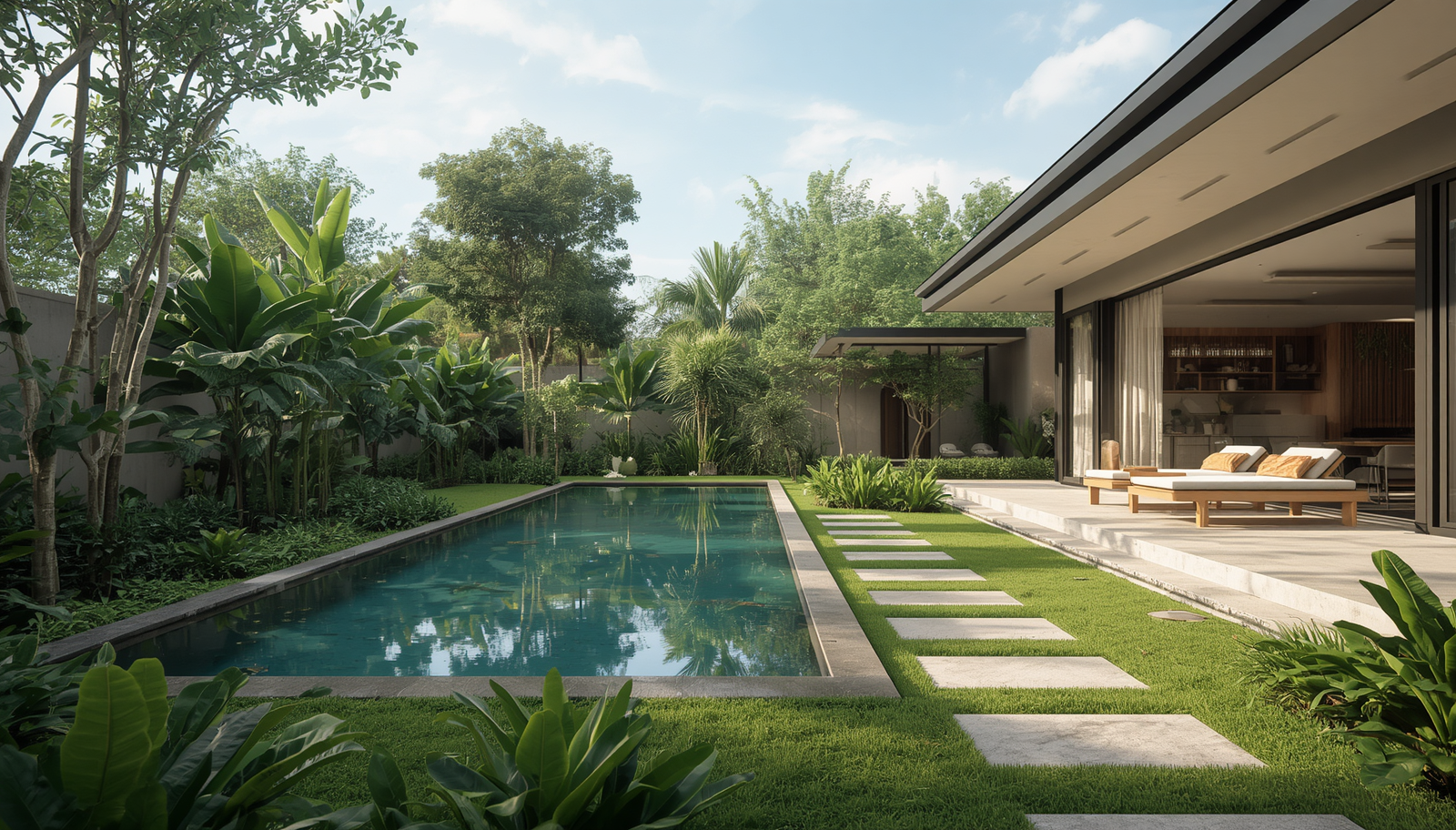
Homestay Landscape
Discovering Today’s Most Captivating and Popular Homestay Garden Designs
Amid the growing trend of experiential leisure travel, a systematically planned garden does more than elevate outdoor aesthetics; it serves as a powerful catalyst for carving out a homestay’s unique brand identity. Depending on the business vision and target demographics, investors can adopt various landscape styles to deliver unique and unforgettable guest experiences. Below are the most favored and widely implemented homestay garden concepts in the industry today.
Japanese Zen Style Homestay Garden Design
The Japanese design aesthetic stands out for its deliberate minimalism, refined sophistication, and deep appreciation for spatial balance. This garden style frequently utilizes organic elements such as natural stone, pristine white gravel, and timber, beautifully interwoven with iconic features like Koi fish ponds, stone lanterns, and weathered bonsai art. Every single detail is intentionally positioned to foster a serene, meditative environment, allowing guests to unwind and recalibrate their inner peace. This aesthetic is an exceptional match for upscale luxury homestays or retreats dedicated to mindfulness, wellness, and healing experiences.
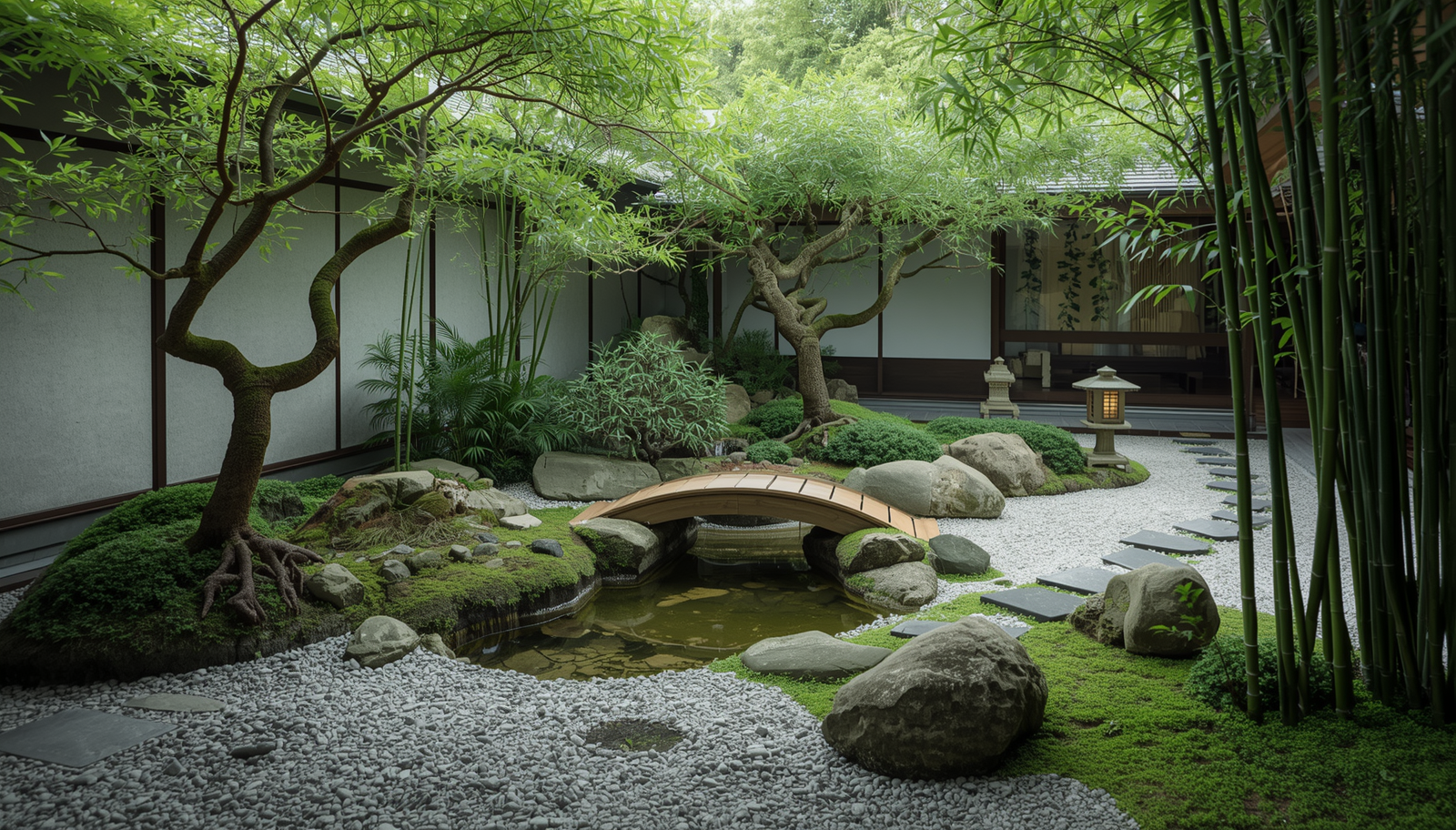
Japanese Zen Style Homestay Garden Design
Classic European Style Homestay Garden Design
A classic garden style delivers a sense of grandeur, timeless elegance, and profound artistic value. Distinctive features such as architectural fountains, ornamental sculptures, climbing floral trellises, and paved stone walkways are harmoniously arranged to capture the romantic essence of European landscape design. Beyond significantly elevating the property’s aesthetic appeal, this style wraps guests in an ambiance of upscale luxury and supreme relaxation. It stands as an ideal choice for boutique homestays or luxury resorts catering to high-end demographics.
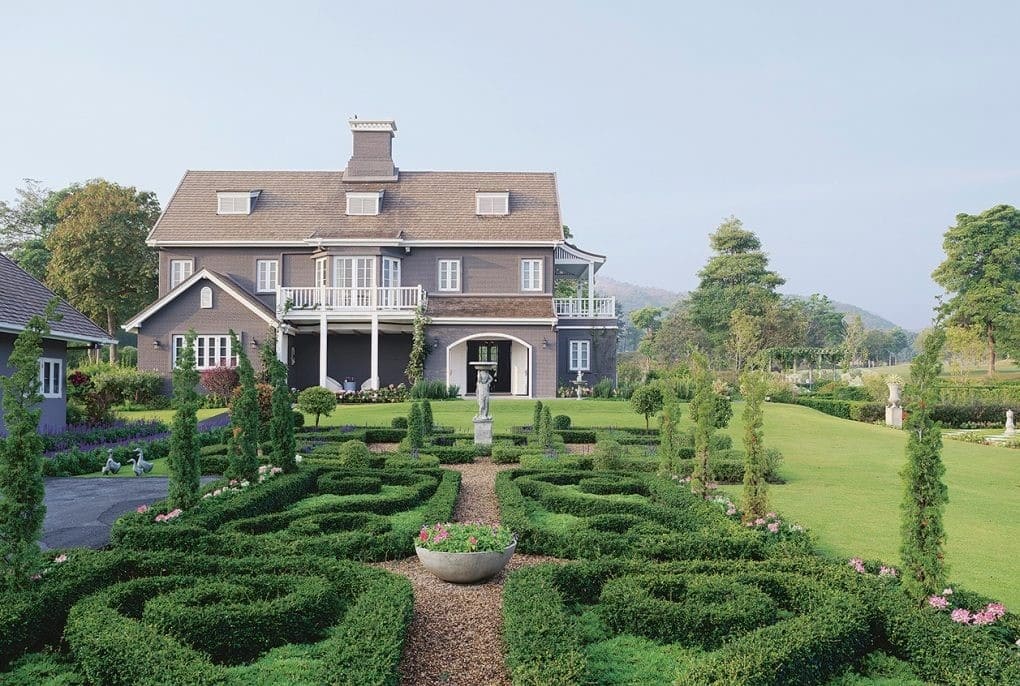
Classic European Style Homestay Garden Design
Modern Style Homestay Garden Design
The modern landscape style focuses on clean-cut, structural simplicity while effortlessly balancing premium functionality and contemporary aesthetics. Vibrant greenery is seamlessly paired with materials like architectural concrete, sleek glass, natural stone, or timber to forge an open, airy environment. Furthermore, the lighting systems and outdoor living zones are scientifically engineered to cater directly to guests’ leisure, relaxation, and entertainment demands. This approach is highly favored by many homestay properties today for its space-optimization capabilities and its universal appeal to a diverse range of traveler demographics.
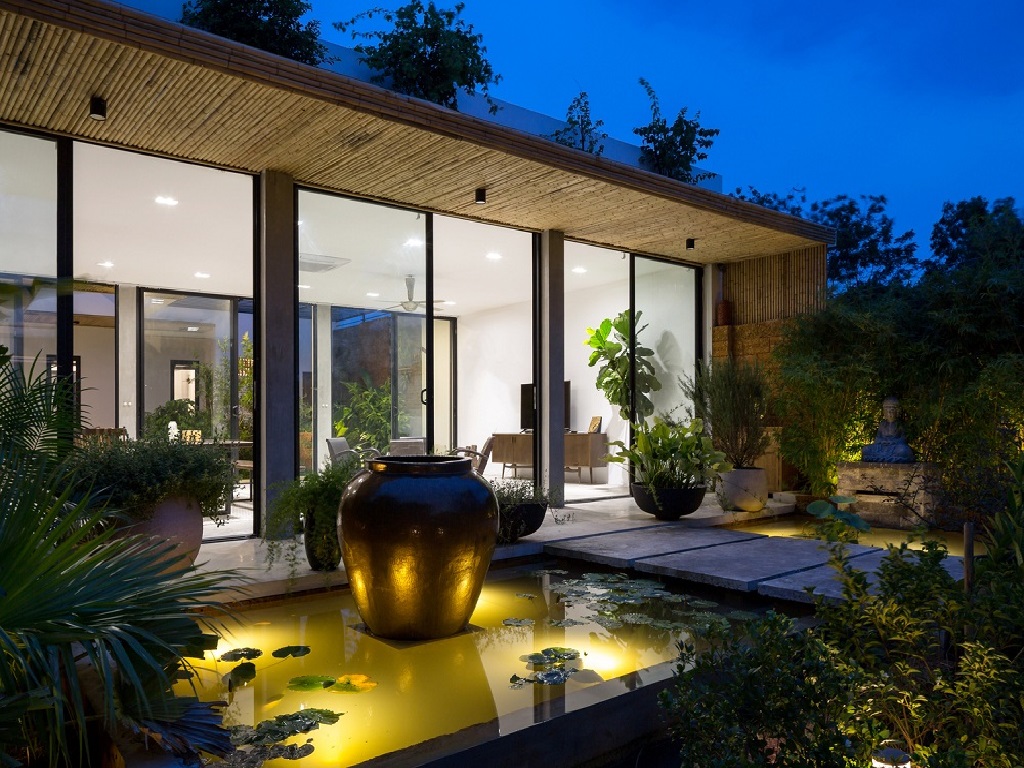
Modern Style Homestay Garden Design
Vintage Style Homestay Garden Design
The vintage landscape style delivers a soulful, romantic charm steep in nostalgia. The garden space is thoughtfully adorned with time-honored artifacts such as weathered wooden benches, antique bicycles, classic lanterns, traditional cement tiles, and climbing floral trellises. This harmonious interplay between lush greenery and nostalgic accents effortlessly creates unique, picture-perfect corners that captivate art and photography enthusiasts. This specific aesthetic is a powerful tool for homestays to forge a signature identity and generate highly viral engagement across social media platforms.
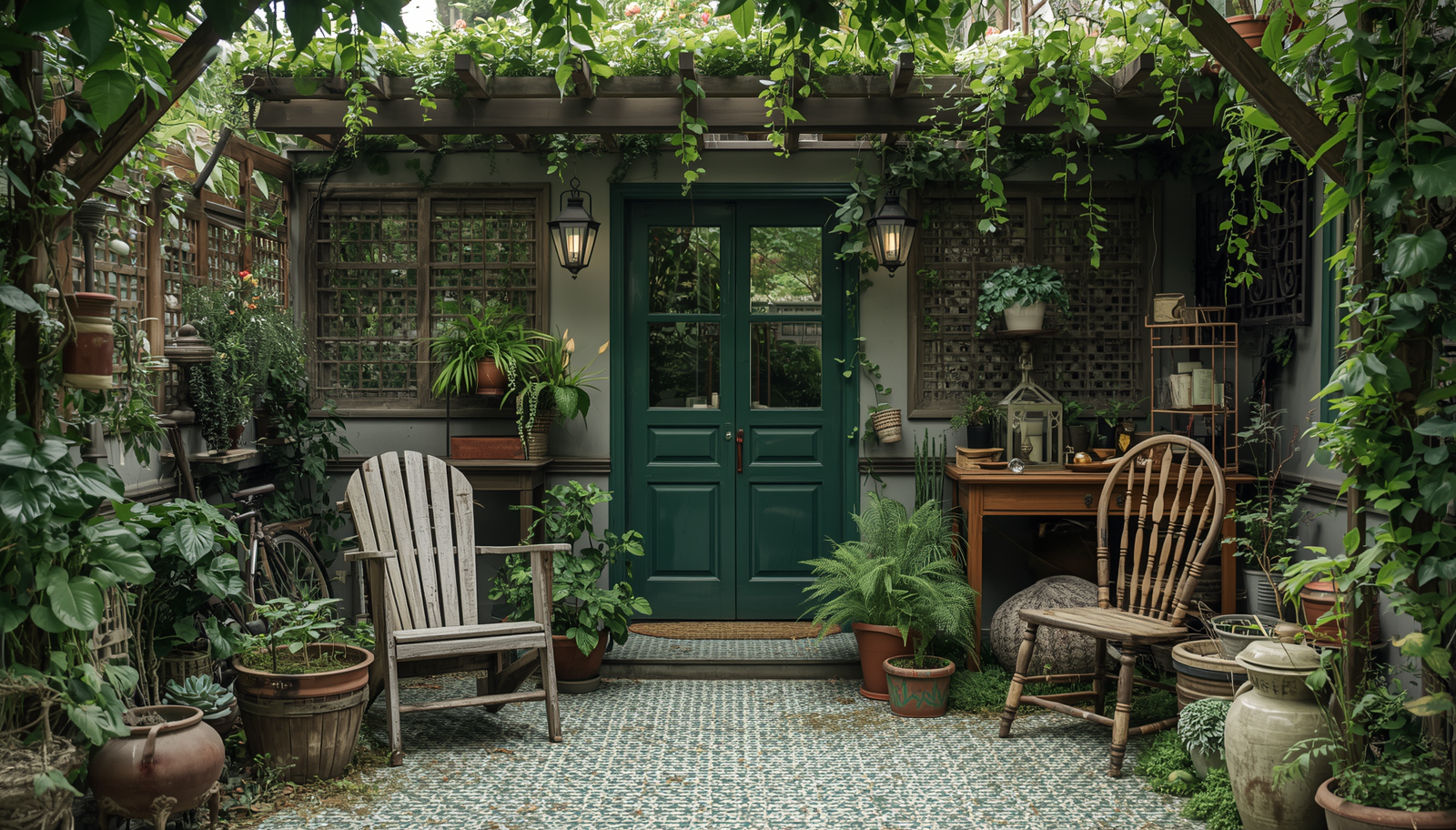
Vintage Style Homestay Garden Design
Northern Vietnamese Countryside Style Homestay Garden Design
The Northern Vietnamese countryside style beautifully recreates time-honored imagery of rural Vietnam, featuring terracotta tiled roofs, slender areca palms, lush banana groves, rustic fish ponds, and traditional brick-paved courtyards. The space is artfully punctuated with authentic folk artifacts, including clay water jars, stone mortars, bamboo carrying poles, and conical hats, evoking an immediate sense of intimacy and pastoral peace. This design is an ideal blueprint for homestays looking to harness indigenous cultural values while offering travelers an authentic, immersive journey into the heartbeat of Vietnamese village life.
Each homestay garden design style possesses its own distinctive attributes, carefully tailored to specific business directions and target demographics. Selecting the right landscape aesthetic empowers a homestay to carve out a compelling, differentiated brand identity, drastically elevate the overall vacation experience, and amplify its market appeal within an increasingly competitive tourism landscape.
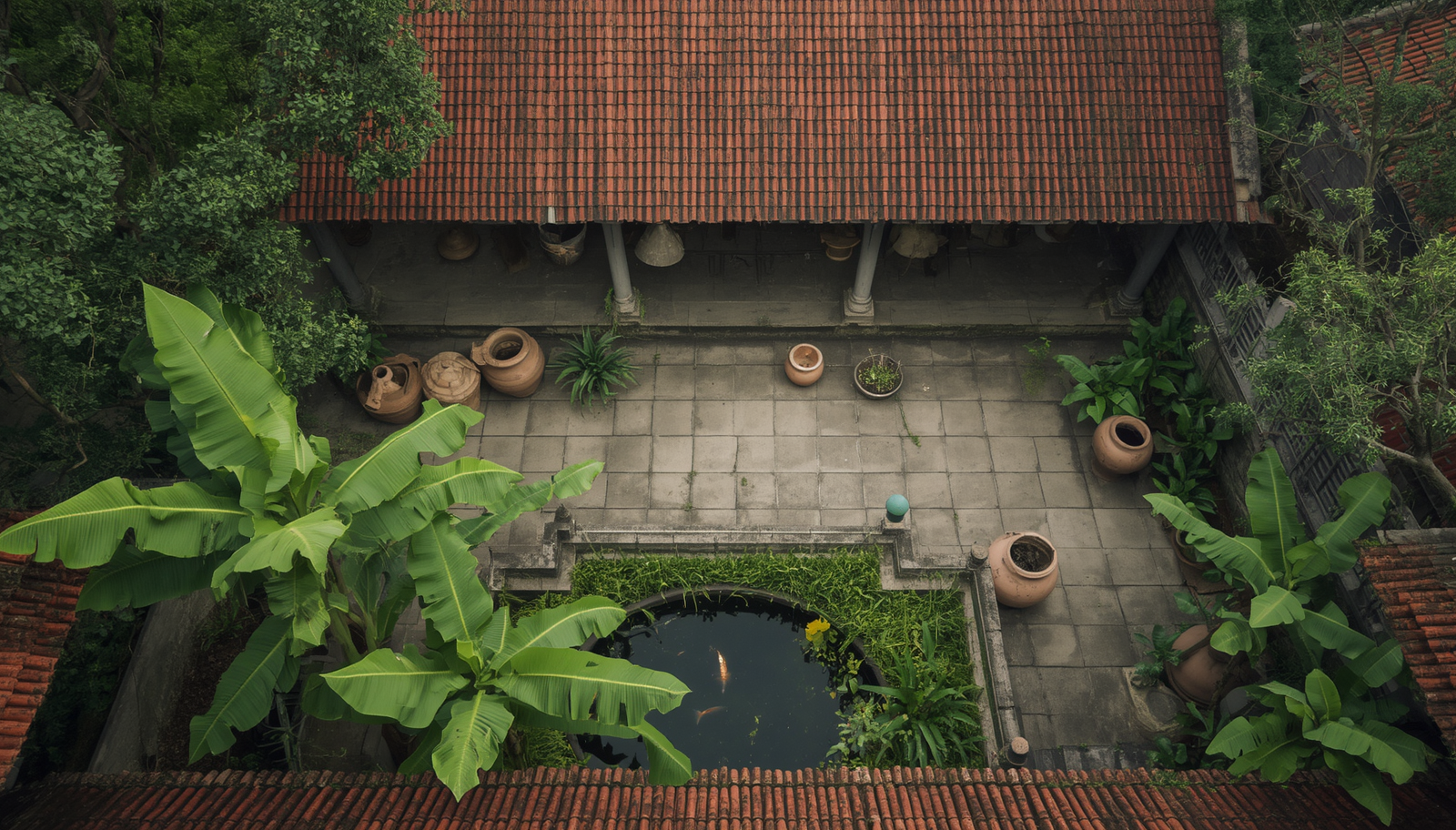
Northern Vietnamese Countryside Style Homestay Garden Design
Pitfalls to Avoid in Homestay Garden Design
A breathtaking garden is defined not just by smart flora selection or balanced feature layouts, but also by successfully steering clear of common design blunders. Minor oversights during the initial planning phase can severely compromise aesthetics, functionality, and the long-term guest experience. Below are the critical pitfalls to avoid when designing a homestay landscape.
Overcrowded Layouts Lacking a Clear Focal Point
Many investors fall into the trap of cramming too many elements, colors, or contrasting styles into a single space in an attempt to look “unique.” However, this approach often yields a chaotic visual mess, stripping the garden of its harmony and clear focal point. Instead, establish a definitive anchor style and capture attention using a single, stunning centerpiece—such as a clean water feature, a majestic specimen tree, a cozy pavilion, or an impactful mini-landscape—to elevate the entire space.
Selecting Flora Ill-Suited to Local Environmental Conditions
Introducing plant species that clash with the local climate, soil type, or practical maintenance capabilities will lead to stunted growth, rapid wilting, and a degraded landscape aesthetic. To maintain a perpetually vibrant, lush garden while keeping maintenance costs in check, prioritize indigenous flora or resilient plant varieties that naturally thrive in the local ecosystem.
Neglecting Proper Drainage Systems
Civil drainage is a pivotal technical element that is frequently overlooked during the homestay design phase. Without rigorous calculations, heavy rainfall can trigger severe waterlogging, suffocating plant roots, damaging walkways, and undermining the landscape’s structural integrity. Integrating a well-engineered drainage network right from the start ensures a clean, dry yard and secures sustainable beauty over time.
Lacking Nighttime Landscape Lighting
A garden that looks spectacular by day but plunges into pitch darkness at night severely diminishes a property’s experiential value. Underexposed outdoor spaces not only flatten the property’s evening aesthetic but also pose safety hazards for guests moving around. Consequently, ambient fixtures should be intentionally mapped along pathways, outdoor seating zones, and focal features to evoke a warm, secure, and alluring nighttime environment.
Overusing Artificial Materials
Garden homestays thrive on their nature-centric appeal; hence, an over-reliance on synthetic materials can make the space feel rigid, corporate, and detached from its organic roots. Utilizing natural elements like timber, authentic stone, gravel, bamboo, or rustic raw bricks delivers a friendlier, warmer, and more cohesive bond with the green surroundings. Striking a perfect equilibrium between raw nature and modern convenience helps the garden maintain its enduring charm.
Starving the Garden of Functional Guest Experiences
Another critical misstep is focusing entirely on visual staging while forgetting actual user utility. A homestay garden is not merely a static backdrop to be stared at; it is an active sanctuary where guests unwind, take photos, host open-air gatherings, and breathe in fresh air. Failing to incorporate dedicated functional zones—such as seating alcoves, curated photo-ops, dedicated BBQ areas, or communal gathering spaces—directly dilutes the property’s overall appeal and its commercial commercialization value.
Hey Garden – Your Professional Homestay Landscape Design and Build Partner
Homestay garden design is far more than a visual enhancement; it is a vital strategy for sculpting a distinct, nature-forward, and deeply emotional vacation experience for travelers. A systematically planned outdoor space empowers a homestay to forge its own signature identity, amplify its competitive edge, and drive long-term business profitability. Consequently, selecting the ideal landscape style and partnering with a professional design-and-build unit are the ultimate keys to materializing a perfect retreat.
Hey Garden proudly stands as a premier specialist in homestay garden and landscape design-and-build services, backed by years of proven experience in executing a diverse portfolio of projects nationwide. Armed with a team of highly creative architects, deep landscape expertise, and professional construction workflows, Hey Garden delivers optimized design solutions that strike a flawless equilibrium among aesthetics, functionality, and the unique identity of each property. We are fully committed to accompanying our clients in co-creating striking garden sanctuaries, directly elevating the overall vacation experience and amplifying brand equity for your homestay.
HEY GARDEN CO., LTD
Address: 48 Street No. 13, Lakeview City Residential Area, Binh Trung Ward, Ho Chi Minh City, Vietnam
Hotline: 036 503 6006
Website: Heygarden.vn
HEY GARDEN — A Part of Your Life 🌿
