
$0.00


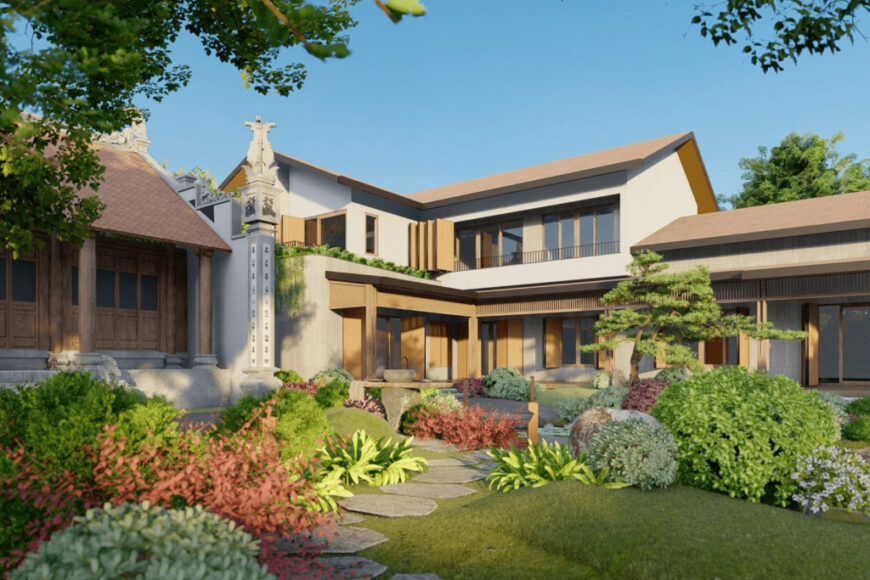
A garden is more than just a green buffer surrounding a property; it enhances quality of life, provides a relaxing sanctuary, and reconnects humans with nature. However, to cultivate a beautiful garden that maximizes its potential, the design must strike a perfect balance between aesthetics and functionality. A well-planned garden not only offers high visual appeal but also effectively accommodates the homeowner’s lifestyle, relaxation, and daily activities. Below are the key solutions to optimize garden design, creating a harmonious, convenient, and sustainable green living space.
Why is pre-design planning essential for a garden?
Before breaking ground on a garden design, developing a detailed plan is a crucial step that helps homeowners define their vision, functional needs, budget, and necessary technical constraints. This foundation ensures a harmonious green space that delivers both aesthetic value and long-term utility.
Identifying Functional Needs
Every family has unique expectations for their outdoor space. Some desire a peaceful retreat for reading and tea, others require a playground for children, while many prioritize integrating koi ponds, water features, or outdoor entertainment areas. Planning from the outset clarifies the garden’s core purpose, making it easier to select the right design style and space layout.
Optimizing the Physical Layout
Not all gardens boast spacious, perfectly shaped plots; many are constrained by walkways, garages, boundary walls, terraces, or balconies. Without careful calculation, outdoor spaces can easily become cluttered, disjointed, or inefficient. A well-thought-out plan ensures a logical zoning of functional areas, maximizing space while maintaining openness and visual appeal.
Controlling Design and Construction Costs
Budget overruns typically happen when homeowners alter their ideas mid-construction. By establishing a clear plan regarding the design style, materials, plant selection, irrigation, lighting, and hardscape features, cost estimation becomes far more accurate. This mitigates unnecessary expenses and keeps the project within the projected investment.
Ensuring Architectural Cohesion
A garden is an inseparable extension of the overall architecture. A stunning garden must harmonize with the home’s design in terms of color palette, materials, lines, and layout. For instance, a modern home pairs best with minimalist, clean-lined landscape design, whereas a resort-style home favors tropical flora, natural stone, and water elements. Early planning weaves a seamless connection between the building and its landscape.
Managing Technical Requirements Effectively
Landscape design goes far beyond selecting plants or water features; it involves intricate technical systems such as drainage, irrigation, outdoor lighting, waterproofing, grading, and structural foundations. If ignored during the initial phase, the garden may suffer from issues like waterlogging, moisture seeping back into the house, or costly retrofits down the road.
Selecting the Right Flora
Every plant species has distinct growth habits, sunlight and water requirements, and ultimate mature sizes. Pre-planning ensures the selected flora matches the local climate, sun exposure, garden size, and the homeowner’s maintenance capacity. Consequently, plants grow healthily with minimal pest issues, avoiding damage to nearby foundations or utility lines.
Streamlining Long-Term Care and Maintenance
A beautiful garden requires regular upkeep to preserve its vibrant, lush appeal over time. During the planning stage, homeowners can incorporate low-maintenance solutions, such as opting for hardy plants, durable outdoor materials, or installing automated irrigation systems. This is especially ideal for busy families who still wish to enjoy a pristine and sustainable green escape.
Ultimately, pre-design planning for a garden not only optimizes aesthetics, functionality, and investment costs, but also plays a pivotal role in delivering a harmonious green living space that is easy to enjoy and maintain for years to come.
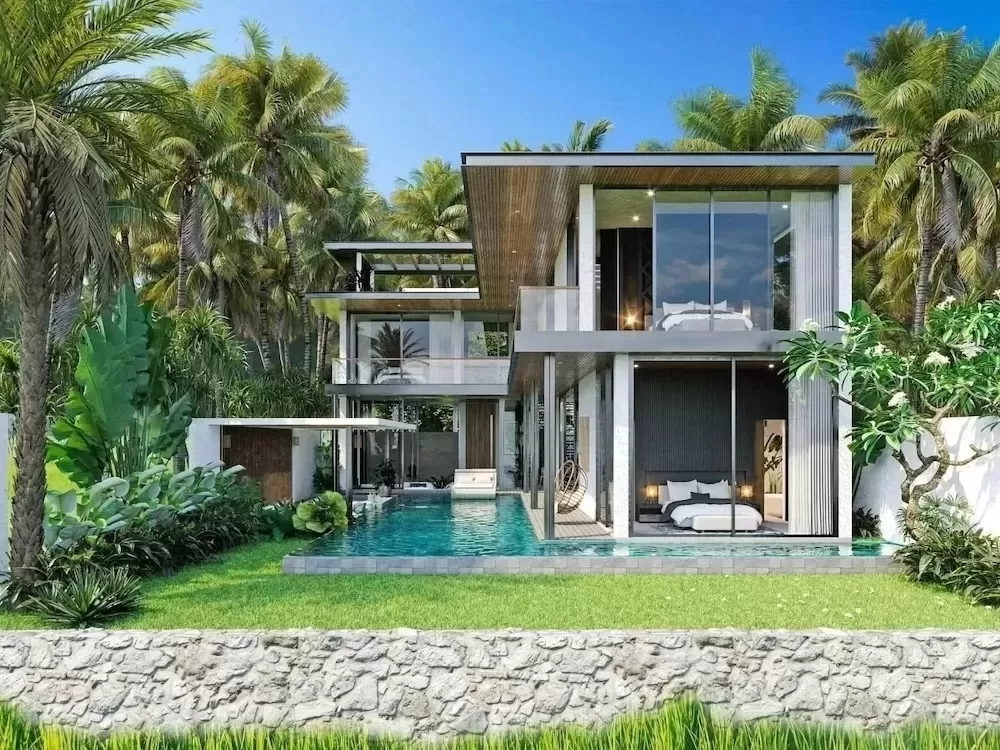
Garden design
Expert Insights on Garden Design
To cultivate a beautiful, harmonious garden with enduring value, simply choosing plants and hardscape features is not enough. An effective garden design requires a seamless integration of functionality, aesthetics, technical solutions, and long-term maintenance. Consequently, professional landscape design and construction firms always dedicate significant time to site surveys, conceptualization, and holistic optimization before execution. Below are essential garden design insights applied by landscape experts to help homeowners minimize mistakes, optimize investment costs, and create a green living space tailored to their needs.
Clearly Define Functional Needs
Before drafting a design, homeowners must clarify the purpose of the garden to establish a suitable layout. Every family has distinct requirements, such as a place for relaxation, hosting guests, a children’s play area, or a home resort. Defining these needs early ensures that plant selection, materials, lighting, and water features remain cohesive and effective.
A key piece of expert advice is to avoid cramming too many functions into a limited area. Overcrowding a garden can make it feel cramped, cluttered, and difficult to maintain. Instead, prioritize essential functions to preserve openness and balance across the overall space.
-
Relaxation gardens: Prioritize lush greenery, seating areas, and gentle water features.
-
Children’s play areas: Ensure safety by minimizing sharp-edged materials.
-
Hosting areas: Require wide pathways and comprehensive outdoor lighting.
-
Resort-style gardens: Well-suited for water features, shade trees, and open spaces.
Choose a Complementary Design Style
The garden’s design style plays a pivotal role in establishing architectural cohesion with the property. A stunning garden must harmonize with the home’s color palette, materials, and overall design ethos.
Modern homes typically pair best with minimalist gardens featuring clean lines and crisp layouts. Conversely, resort-style properties are ideal candidates for tropical flora, water bodies, and soft lighting. Instead of chasing short-lived trends, homeowners should choose a style that fits their plot size, local climate, and practical lifestyle to ensure long-term value.
-
Modern style: Perfect for urban townhouses and contemporary villas.
-
Japanese style: Cultivates a sense of tranquility, zen, and balance.
-
Tropical style: Ideal for spacious areas with abundant natural light.
-
Minimalist style: Keeps the garden easy to maintain and sustainable over time.
Maximize the Physical Footprint
Every plot possesses unique characteristics regarding size, shape, sun exposure, and existing structures. Therefore, a garden design must be tailored to the actual site conditions rather than mechanically copying pre-made templates.
For small gardens, prioritize simple layouts and avoid dividing the space into too many zones. Solutions such as vertical gardens, dry landscapes (kare-sansui style), or columnar trees help save space while maintaining strong visual appeal. For expansive gardens, create focal points and divide the space logically to prevent a sparse, empty feeling.
-
Small gardens: Prioritize minimalist design principles.
-
Vertical gardens: Increase green coverage without consuming valuable floor space.
-
Pathways: Must be wide enough to ensure comfortable movement.
-
Focal points: Introduce a primary focal feature to add depth to the landscape
Prioritize Feng Shui Elements in Garden Layouts
Garden Feng Shui is not merely a spiritual concept; it focuses on organizing outdoor spaces logically to create a harmonious and comfortable living environment.
During the design process, pay close attention to the placement of large trees, water bodies, pathways, and decorative structures. Avoid dense planting that blocks the home’s facade, or heavy accents that diminish airflow and openness. A beautiful garden always strikes a balance between green patches, open clearings, and active living areas.
-
Large trees: Avoid planting large trees that block walkways or the main facade.
-
Water features: Position them for easy cleaning and routine maintenance.
-
Pathways: Design gentle, winding paths; avoid rigid, sharp turns.
-
Living zones: Restrict the use of thorny plants or excessively large boulders in high-traffic areas.
Select Climate-Appropriate Flora
Plants are the soul of a garden, but their selection should be based on real-world conditions rather than aesthetics alone. Every species has distinct growth habits regarding light exposure, watering needs, and mature canopy sizes.
Experts generally favor local flora that is well-adapted to the regional climate, easy to care for, and pest-resistant. This not only minimizes long-term maintenance costs but also ensures the landscape remains lush, vibrant, and stable over time.
-
High-sun areas: Select sun-loving, drought-tolerant plants.
-
Townhouses: Favor low-shedding trees with non-invasive, compact root systems.
-
Spacious gardens: Layer plants of varying heights to create rich landscape depth.
-
Regional focus: Prioritize species native to or well-proven in the local climate.
Integrate Cohesive Landscape Materials
Garden materials directly impact both the aesthetic appeal and the durability of the project. Popular materials today include natural stone, decorative pebbles, pavers, outdoor wood-plastic composites (WPC), and stamped concrete.
To maintain visual harmony, avoid blending too many material types within a single space. Instead, select a dominant group of core materials and introduce accents subtly to elevate the design without creating visual clutter.
-
Pathways: Utilize slip-resistant materials for safety.
-
Lounge areas: Suit materials that evoke warmth and comfort.
-
Hardscape accents: Prioritize natural stone and eco-friendly materials.
-
Outdoor components: Require high durability and low-maintenance qualities.
Emphasize Grading, Drainage, and Irrigation Systems
Technical engineering dictates the lifespan of a garden. Poor drainage leads to waterlogging, moss growth, and structural damage to the property.
Right from the design phase, it is vital to calculate ground slopes, catch basin locations, drainage directions, and tailored irrigation lines for different plant zones. For busy families, an automated irrigation system is a highly efficient solution that saves daily maintenance time.
-
Ground grading: Handle slope grading properly to prevent standing water.
-
Irrigation networks: Segment irrigation zones based on the specific watering needs of plant groups.
-
Catch basins: Strategically position drainage grates and catch basins.
-
Rooftops & Balconies: Pay exceptional attention to meticulous waterproofing layers
Optimize Landscape Lighting
Lighting not only makes a garden stand out after dark but also enhances safety and elevates the nighttime experience. An effective lighting system does not require a high volume of fixtures; rather, it demands precise placement and purpose.
Pathway lights guide movement safely, while uplighting and accent lights draw attention to key features like specimen trees or architectural backdrops. To foster a relaxing atmosphere, prioritize warm, soft tones over intense, cold white light.
-
Pathway lights: Increase safety and navigation during nighttime use.
-
Tree uplighting: Casts dramatic shadows and creates depth in the landscape.
-
Accent lighting: Highlights water features and statement greenery.
-
Color temperature: Prioritize warm yellow tones to cultivate a cozy, serene ambiance.
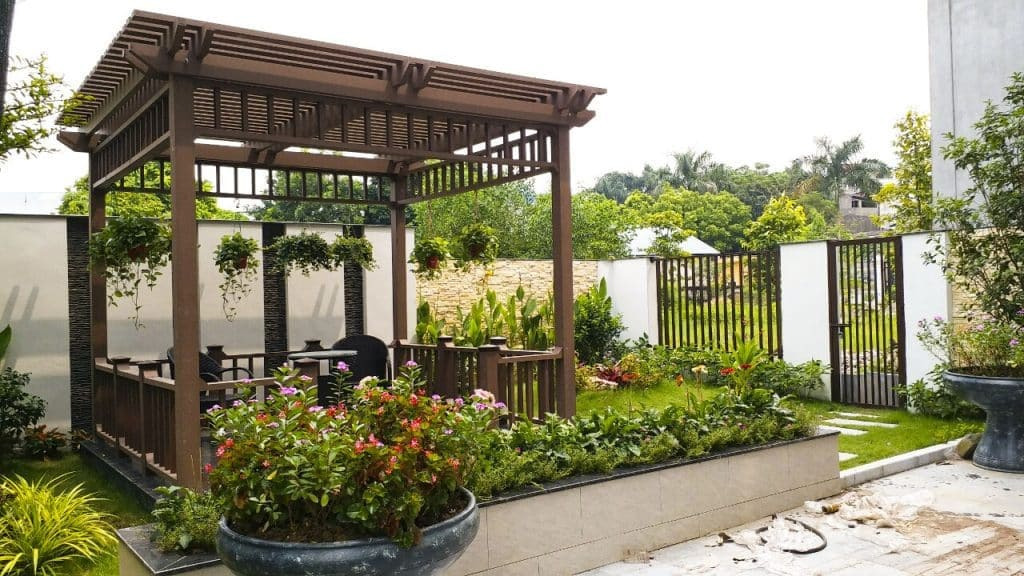
Expert Insights on Garden Design
Tailoring Garden Design to Different Housing Types
Each housing type possesses unique characteristics in terms of footprint, architecture, and functional requirements; therefore, garden design solutions must be tailored accordingly. A stunning garden should not only satisfy aesthetic preferences but also harmonize with the building, optimize utility, and offer convenient maintenance. Below are key garden design insights for today’s most popular housing types.
Insights on Villa Garden Design
Villa gardens typically boast spacious footprints, providing ideal conditions for integrating diverse landscape features. However, to create a harmonious and luxurious ambiance, achieving a balance between the architectural structure and the surrounding landscape is essential. Clearly zoning functional areas—such as pathways, lawns, water features, lounge spaces, and green patches—will enrich the estate with greater depth and visual connectivity.
For modern villas, priority should be given to open layouts, clean lines, and premium materials like natural stone, outdoor wood composites, and sophisticated landscape lighting systems. On the other hand, classical and neoclassical villas can beautifully incorporate water fountains, topiary arts (professionally pruned trees), or symmetrical pathways to elevate the property’s grand and timeless elegance.
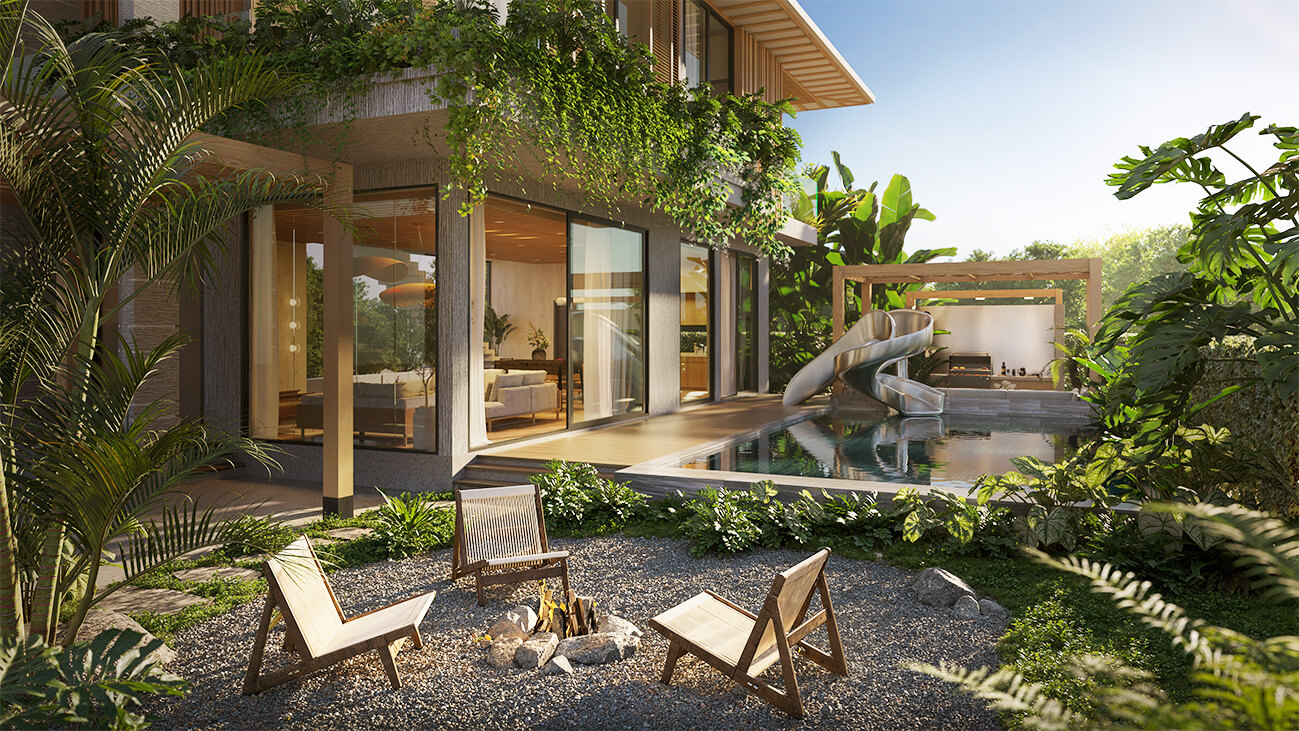
Insights on Villa Garden Design
Insights on Townhouse Garden Design
Townhouses typically feature limited square footage, narrow widths, and minimal open air. Consequently, townhouse garden design must prioritize decluttered, well-ventilated layouts that maximize the existing footprint. Creative solutions such as vertical gardens, dry landscapes, green skylights (inner courtyards), or tiered planting systems are highly effective choices to maximize green coverage without infringing on active living spaces.
Additionally, it is best to restrict the use of oversized trees or invasive, aggressive root systems, as they can compromise the home’s foundation and drainage network. Instead, columnar (straight-growing) trees, shade-tolerant plants, or potted greenery are far more suitable, while also streamlining routine maintenance and future layout reconfigurations.
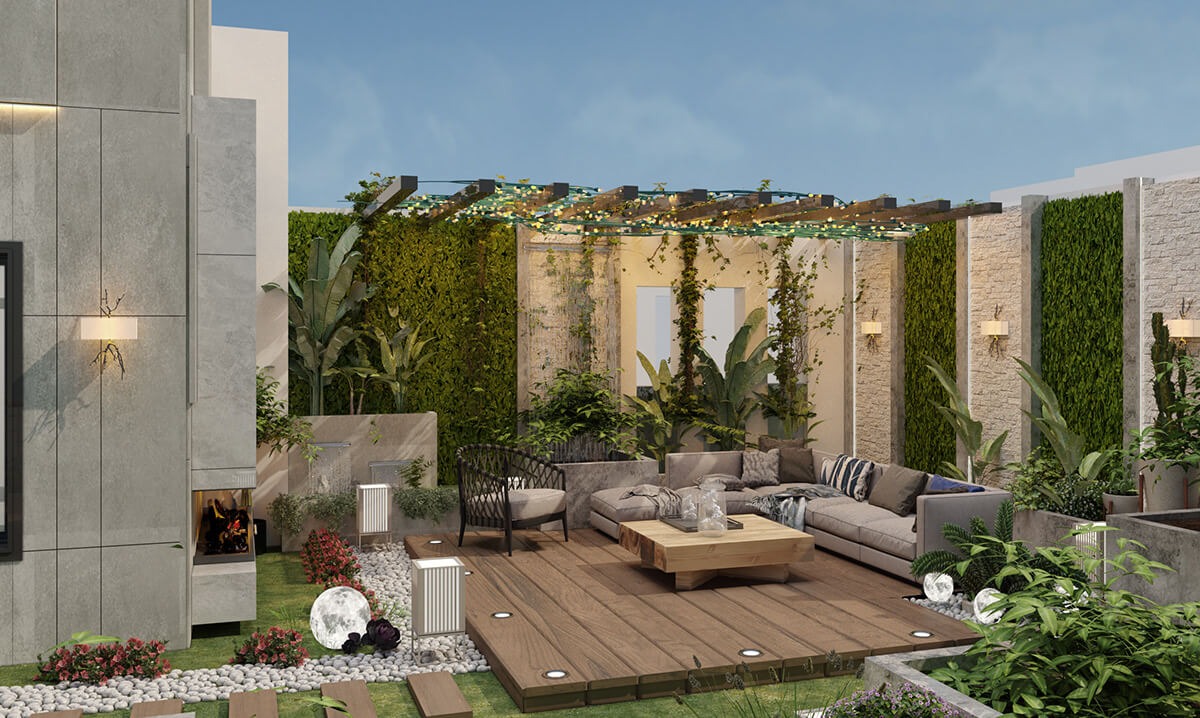
Insights on Townhouse Garden Design
Insights on Garden Design for Resorts, Homestays, and Single-Story Homes
For resorts and homestays, the garden plays a pivotal role in shaping the guest’s vacation experience. The outdoor space should be crafted to deeply connect with nature, foster absolute relaxation, and showcase unique visual signatures. Natural materials such as stone, wood, bamboo, and pebbles, alongside native flora, are highly favored to instill a rustic charm that harmonizes seamlessly with the surrounding environment. Furthermore, strategic placement of winding pathways, outdoor lounges, Instagram-worthy check-in spots, and ambient lighting networks is essential to elevate guest satisfaction.
For single-story (bungalow-style) homes, the garden design should lean toward simplicity, familiarity, and day-to-day practicality. Homeowners can thoughtfully blend fruit trees, open lawns, flower beds, or a modest outdoor seating area to cultivate a soothing, green sanctuary. Rather than investing in intricate hardscapes or overly luxurious materials, priority should be given to local greenery, natural elements, and a balanced layout that complements the home’s architecture, preserving an authentic, rustic beauty that stands the test of time.
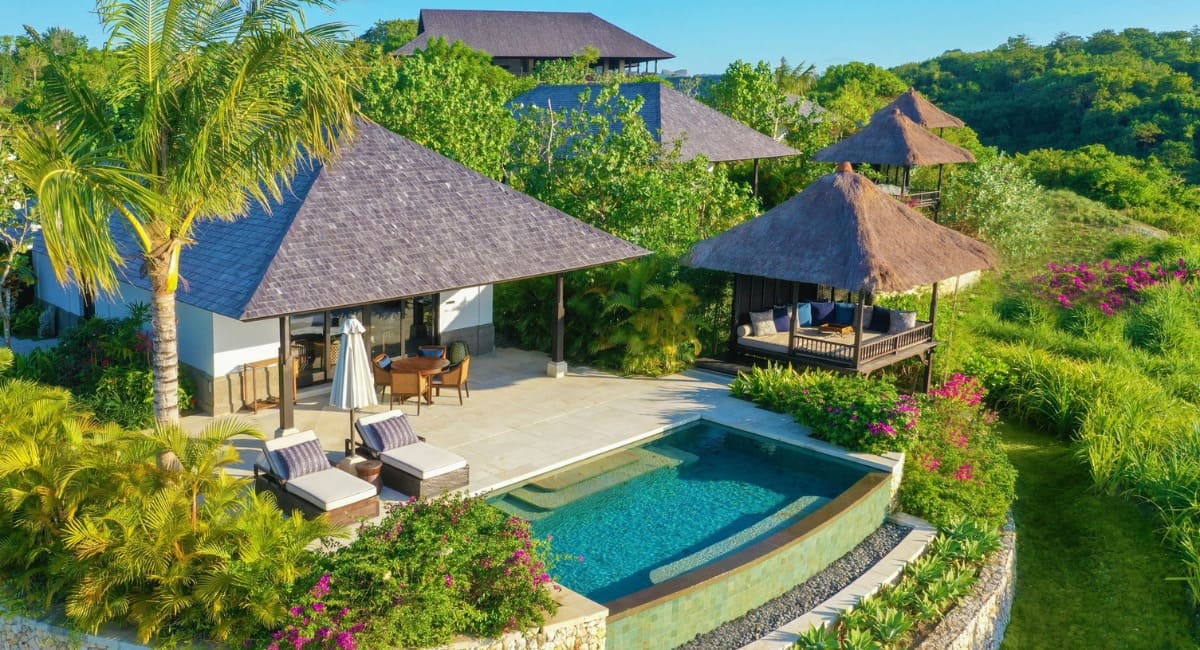
Insights on Garden Design for Resorts, Homestays, and Single-Story Homes
Hey Garden – Your Partner in Crafting the Perfect Green Living Space
A stunning garden does more than just elevate a property’s aesthetic appeal; it delivers a fresh, relaxing sanctuary that seamlessly reconnects people with nature. However, cultivating an outdoor space that harmonizes utility, landscape, and architectural style requires careful research and a well-structured investment right from the start.
Leveraging extensive expertise in landscape design and construction, Hey Garden is dedicated to tailor-making green spaces that align perfectly with the unique functional needs and specific traits of every property. From expansive villa estates and urban townhouses to boutique resorts, cozy homestays, or rustic single-story homes, we commit to delivering optimized design solutions that ensure your garden is not only beautiful and sustainable but also rich in experience value. To us, every project is far more than just a garden—it is a living connection between humans and nature, elevating your quality of life and fostering enduring value that stands the test of time.
HEY GARDEN CO., LTD
Address: 48 Street No. 13, Lakeview City Residential Area, Binh Trung Ward, Ho Chi Minh City, Vietnam
Hotline: 036 503 6006
Website: Heygarden.vn
HEY GARDEN — A Part of Your Life 🌿
