
$0.00


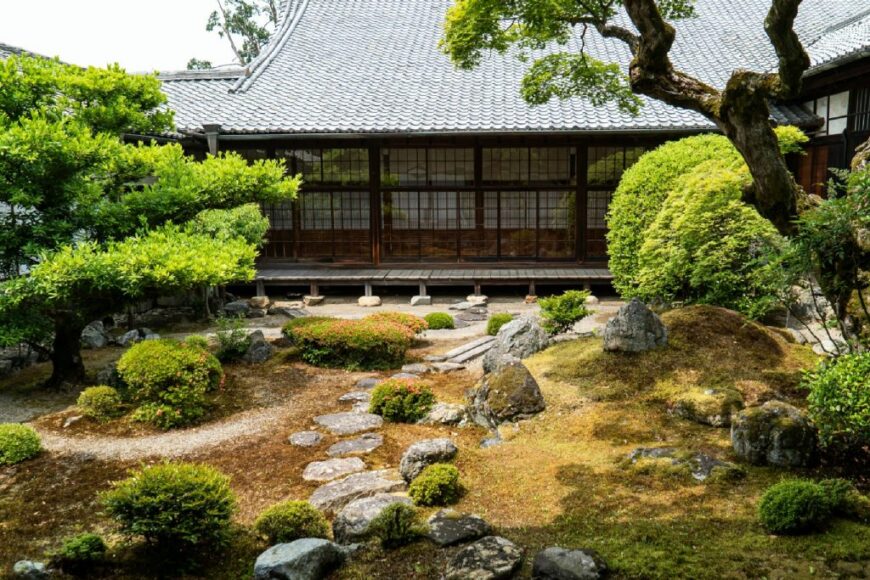
1. What is a Japanese-style garden?
In today’s fast-paced and pressure-filled life, many homeowners seek living spaces that offer relaxation and balance. Japanese-style garden design is an ideal choice, bringing a sense of tranquility, simplicity, and refined elegance.
This style is inspired by Zen philosophy, focusing on harmony between humans and nature. Rather than being overly elaborate, Japanese gardens emphasize layout, negative space, and overall balance.
2. Key characteristics of Japanese-style gardens
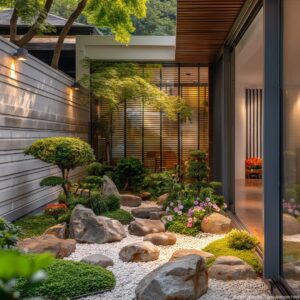
Minimalist yet refined
Japanese-style gardens embrace minimalism, avoiding excessive or ornate details. Every element is intentionally arranged, creating a serene, gentle space with a profound sense of depth.
Stone – The soul of the garden
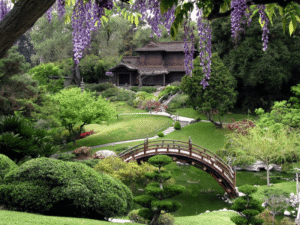
Stone is a key element in Japanese garden design, commonly used for pathways, dry landscapes, and symbolizing mountains. The arrangement of stones follows principles of balance, artistry, and feng shui.
Water element – Bringing life
Water adds vitality and harmony to the garden. Koi ponds, small streams, or mini waterfalls not only create visual focal points but also provide soothing sounds that help reduce stress effectively.
Symbolic meaning of plants
Plants in Japanese gardens are not only decorative but also carry deep spiritual significance. Pine trees symbolize longevity, bamboo represents resilience, and bonsai embodies artistry and tranquility. All are carefully pruned and maintained with precision.
Typical Japanese garden features
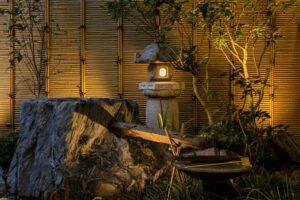
A Japanese garden often includes stone lanterns, curved wooden bridges, and white gravel (Zen dry gardens). These elements create a distinctive identity, making the space refined and deeply rooted in Japanese aesthetics.
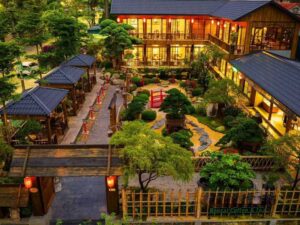
3. Professional process of designing and constructing a Japanese-style garden
To achieve a Japanese garden that is both aesthetically authentic and long-lasting, the design and construction process must be carried out systematically through clearly defined stages.
Step 1: Site survey & consultation
The contractor will conduct an on-site survey to assess the area and terrain of the space. At the same time, they will listen to the client’s needs to propose suitable ideas and define the Japanese garden style from the very beginning.
Step 2: 2D – 3D design
Based on the existing conditions, architects will arrange elements such as stones, plants, and water features in a harmonious way. 2D drawings and 3D renderings help clients visualize the overall design clearly and make adjustments according to their desired budget.
Step 3: Structural construction
This stage includes ground preparation, construction of the koi pond (if any), installation of water supply and drainage systems, and the arrangement of stone layouts. It is a crucial step that determines the durability and structural integrity of the entire garden.
Step 4: Landscape finishing
After completing the structural work, the team proceeds with planting, spreading gravel, and arranging characteristic decorative elements. Lighting systems are also installed to enhance the garden’s aesthetic appeal at night.
Step 5: Handover & maintenance
After completion, the project is handed over along with detailed care instructions. The contractor will also provide periodic inspection and maintenance to ensure the garden maintains its beauty over time.
Key considerations when constructing a Japanese-style garden
To achieve a Japanese garden that balances aesthetics, feng shui, and functionality, the construction process must pay close attention to several important factors. Below are the core points to help preserve the authentic “Japanese essence” while adapting to real conditions in Vietnam.
Choose climate-appropriate plants while preserving the Japanese spirit
Priority should be given to plants such as bonsai, pine, cedar, bamboo, or native species with natural forms. Selecting the right plants not only ensures easier maintenance and long-term sustainability but also preserves the symbolic meanings characteristic of Japanese gardens.
Balance aesthetics – feng shui – functionality
Every element in the garden should be arranged harmoniously, avoiding overuse of decorative details. The principles of “zen – tranquility – naturalness” must be maintained to create a relaxing, balanced space with depth.
Ensure proper Koi pond construction techniques
The Koi pond is a key highlight, so special attention must be given to the filtration system, oxygen supply, and lighting. Proper construction ensures clean water, healthy fish, and minimizes potential issues in the future.
Use natural and sustainable materials
Natural materials such as stone, wood, and gravel are the most suitable for Japanese-style gardens. Limiting the use of industrial materials helps preserve the rustic beauty while enhancing the durability of the project.
Control proportions and overall layout
Elements such as plants, stones, and water should be closely connected and complement one another. Avoid letting any single feature dominate and disrupt the balance; instead, aim for harmony and refined simplicity.
Hey Garden – A trusted Japanese-style garden construction company today
With many years of experience in the field of garden design and construction, Hey Garden has established itself as a pioneering unit in creating high-end Japanese-style gardens in Vietnam. The strengths of Hey Garden lie in:
- A team of architects and engineers with a deep understanding of Japanese garden philosophy and style: Each project is designed and constructed by experienced experts who possess in-depth knowledge of garden design artistry and the distinctive feng shui principles of Japan.
- A professional construction process, committed to progress and project quality: Hey Garden always ensures that every stage of construction is carried out on schedule, with project quality strictly monitored from the initial phase to completion.
- Use of natural, sustainable materials suitable for Vietnam’s climate: Construction materials such as natural stone, wood, bamboo, and characteristic plants are carefully selected to create a garden space that is both beautiful and well-suited to local climate and feng shui conditions.
- Post-handover care and maintenance services: Hey Garden not only focuses on completing the project but also emphasizes after-sales service, providing garden care and maintenance after handover to ensure the garden remains beautiful and long-lasting.
Japanese-style gardens bring a quiet, peaceful living space in harmony with nature. If you are looking for a reputable Japanese garden contractor to transform your living space into an ideal environment, Hey Garden is the perfect choice. With a team of experts and a professional construction process, we are committed to delivering beautiful and sustainable projects. For more details and consultation, please contact us.
HEY GARDEN CO., LTD
Address: 48 Street No. 13, Lakeview City Residential Area, Binh Trung, Ho Chi Minh City
Hotline: 0916 909 535
Website: Heygarden.vn
HEY GARDEN — A Part of Your Life 🌿
