$0.00



During the garden construction process, many people often focus on selecting plants, materials, or design styles without truly paying attention to landscape design documentation. However, this is an essential factor that plays an important role in ensuring the entire project is implemented systematically, follows the original concept, and optimizes costs.
A complete landscape design dossier not only helps homeowners visualize the finished space more clearly but also serves as a foundation for the construction team to execute the project accurately, minimize unexpected issues, and ensure the overall aesthetics of the project.
Introduction to Landscape Garden Design Documentation
A beautiful garden space is not only a place for relaxation and rest but also contributes to enhancing the overall aesthetic value of the house. To bring a harmonious, functional, and green garden to life, preparing a professional landscape design dossier is an extremely important step.
Landscape design documentation is not simply a drawing of plant arrangements; it also includes the entire concept, aesthetic solutions, technical plans, and functional layouts for the garden space. It serves as the foundation that helps the construction process proceed accurately, consistently, and with minimal unnecessary complications.
So, what does a landscape garden design dossier include? Why is it such an important factor in constructing and completing a living space? Let’s explore the details in the article below.
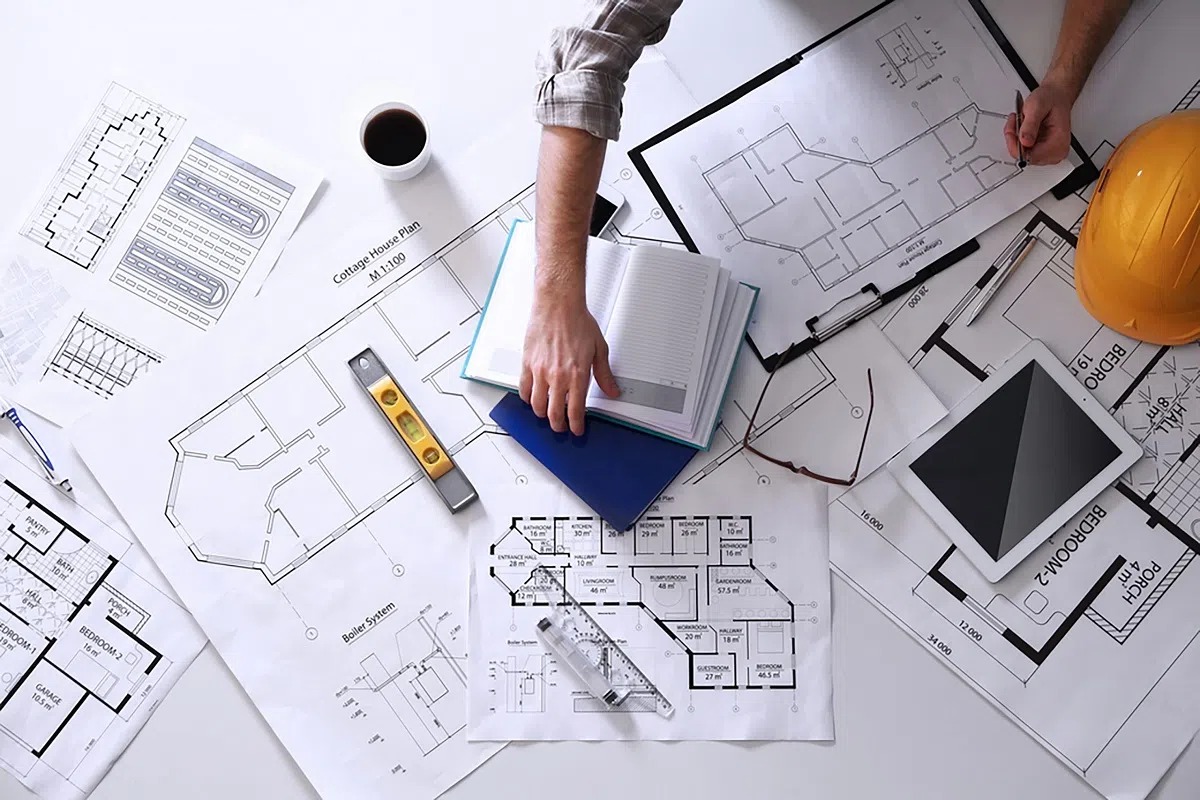
Introduction to Landscape Garden Design Documentation
What is landscape garden design documentation?
Landscape garden design documentation is a set of materials that presents the entire design concept, spatial layout, and technical solutions for outdoor areas. It serves as an important basis that helps investors and contractors clearly visualize the overall project before it is implemented in reality.
A professional landscape design package typically includes:
- Overall garden layout plan
- 3D perspective drawings of the space
- Planting and landscape feature layout drawings
- Lighting, drainage, and automatic irrigation system plans
- Detailed material specifications
- Construction technical documents
- Basic cost estimation
Through the design documentation, all elements in the garden are carefully calculated and arranged to ensure aesthetic value, functional use, and harmony with the overall architecture of the house.
Landscape design documentation can be seen as a “blueprint” that ensures the construction process is carried out consistently, minimizes errors, and guarantees that the final project matches the original design intent.
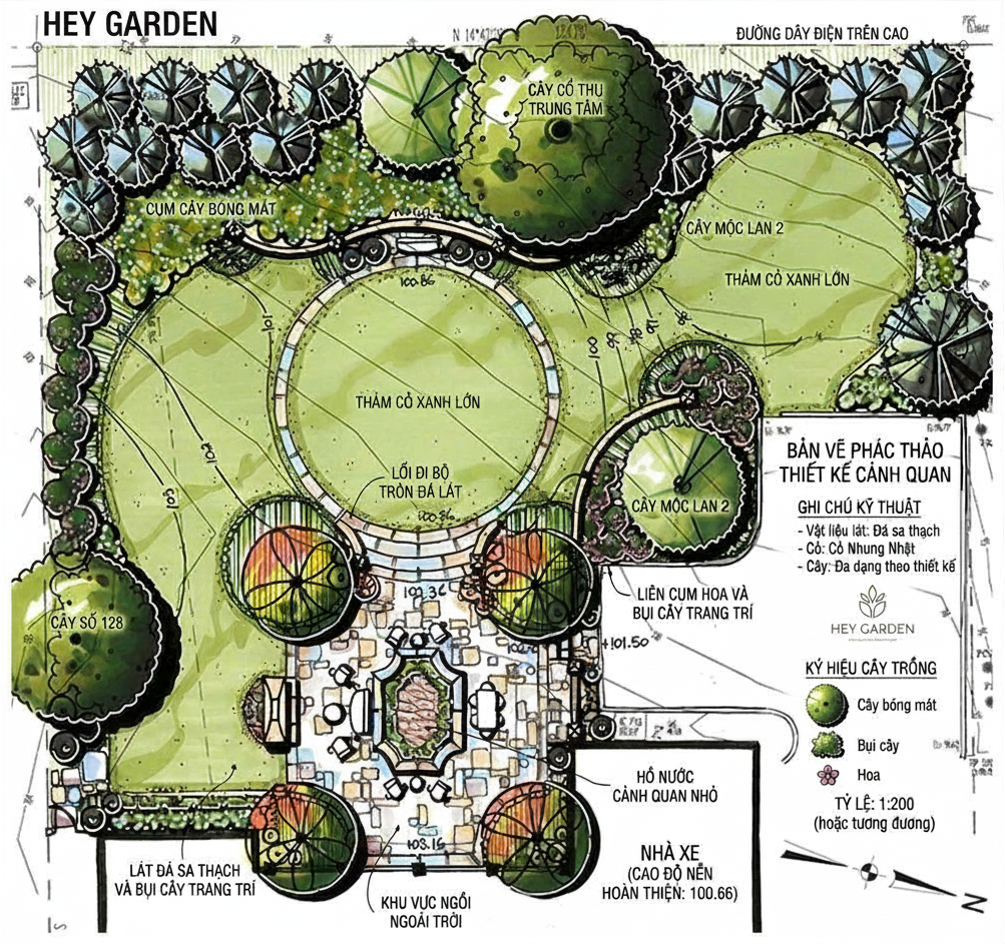
Landscape garden design documentation
Why is landscape design documentation important?
1. Helps clearly visualize the actual space
Through layout drawings and 3D perspectives, homeowners can easily imagine the overall garden after completion. This allows them to proactively adjust the layout, choose materials, or change the design style before actual construction. As a result, the process becomes smoother and helps avoid costly time-consuming and expensive revisions.
2. Ensures aesthetics and harmony
A professional design dossier helps balance elements such as greenery, walkways, decorative landscapes, water features, lighting systems, and outdoor living spaces. All elements are carefully calculated and arranged to create a harmonious whole that aligns with the house architecture and the homeowner’s lifestyle.
3. Minimizes construction errors
Without detailed design documentation, construction is prone to issues such as incorrect dimensions, unsuitable plant placement, inconsistent materials, or poorly coordinated electrical and water systems. The design dossier acts as a guiding document that helps contractors execute each item accurately and minimize mistakes and unexpected issues during construction.
4. Optimizes investment costs
Many people think landscape design increases initial costs, but in reality, it helps better control the budget. The documentation provides clear cost estimation, material control, and reduces unnecessary expenses. Proper execution from the beginning also helps reduce repair and renovation costs later.
5. Ensures long-term functionality
A beautiful garden is not only about aesthetics but also must meet the family’s practical needs. The design documentation helps arrange areas such as relaxation spaces, outdoor BBQ zones, walking paths, and plant care systems logically. Thanks to early planning, the garden becomes more convenient, functional, and sustainable over time.
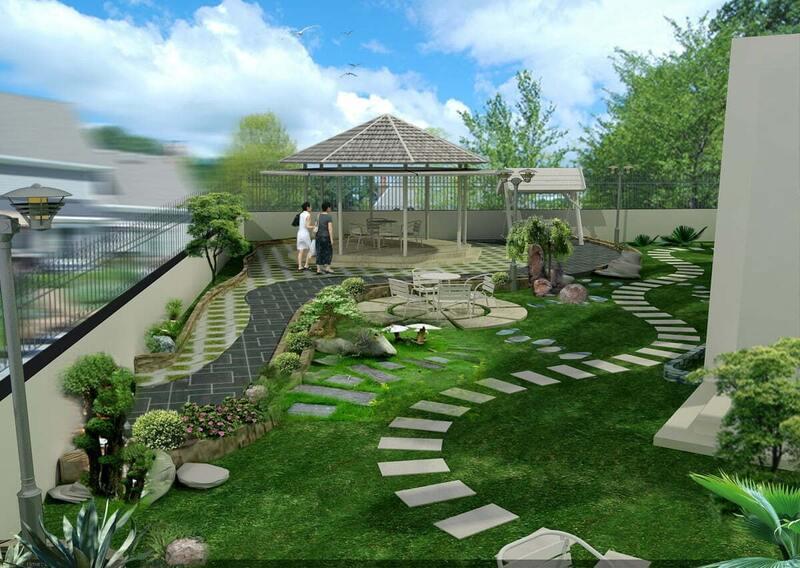
The importance of landscape garden design documentation
Types of components commonly included in landscape garden design documentation
Depending on the project scale, site area, and actual usage needs, landscape garden design documentation includes many different items. Each component is carefully studied and calculated to ensure aesthetics, functionality, and harmony with the overall architecture of the project.
1. Villa garden design
Villa gardens usually have large areas, requiring careful planning of layout and design style. The design documents clearly show the arrangement of greenery, landscape features, water elements, pathways, and relaxation areas, creating a luxurious, elegant, and nature-connected living space. Besides aesthetics, the design also focuses on ventilation and long-term usability.
2. Townhouse garden design
For townhouses, garden space is often limited, so optimizing space is very important. The design focuses on arranging greenery, small landscape features, green walls, or relaxation corners in a way that saves space while still creating a cool and pleasant environment. A suitable design helps balance nature and modern architecture.
3. Café landscape design
Landscape plays a key role in creating identity for cafés. Design documents typically include layouts for greenery, walkways, outdoor seating areas, water features, and lighting systems to create a relaxing and attractive space for customers. Depending on the style—modern, tropical, or Japanese garden—the design is adjusted to enhance the customer experience.
4. Resort landscape design
For resorts and hospitality areas, landscape design is essential in creating a relaxing, nature-friendly atmosphere for guests. Design documents usually include greenery systems, water features, walking paths, outdoor rest areas, and signature landscape elements, ensuring a cohesive and harmonious environment. Resort landscapes must balance beauty, functionality, and high-end guest experience.
5. Koi pond design
Koi ponds are popular for their aesthetic value and feng shui significance. The design includes detailed calculations of pond size, filtration systems, rock arrangements, surrounding plants, and pathways to ensure a stable living environment for koi fish while creating a strong visual focal point.
6. Rockery (mini mountain) design
Rockeries are artistic and feng shui elements in garden landscapes. The design shows how rocks, plants, waterfalls, and decorative elements are arranged to create a natural, balanced composition that fits the overall space. A well-designed rockery enhances aesthetics and relaxation.
7. Water feature design
Water features such as waterfalls, artificial streams, or small ponds add vibrancy and a cooling effect to the garden. The design includes water supply and drainage systems, pump circulation, and placement to suit both space and overall style.
8. Garden lighting system
Lighting is important for highlighting landscape features at night. Design documents specify lighting positions, intensity, wiring plans, and safety considerations. Proper lighting enhances aesthetics, safety, and creates a warm atmosphere in the evening.
9. Automatic irrigation system
This system helps maintain plants efficiently and conveniently. It is designed to ensure proper watering while saving time and operational costs. The documentation includes sprinkler positions, piping layout, and system operation plans tailored to plant types and garden size.
Each component plays an important role and must be carefully integrated to create a green, beautiful, functional, and well-balanced living space.
Benefits of landscape garden design documentation
A professional landscape design dossier is considered a “key” that turns the homeowner’s idea of a green, harmonious, and aesthetic living space into reality. It not only supports a smooth construction process but also brings many practical long-term benefits.
Clear visualization of the future living space
Through layout drawings, 3D perspectives, and visual illustrations, homeowners can easily imagine the entire garden after completion. Every element—from plant arrangements, landscape features, and walkways to relaxation areas—is clearly shown in the design documents.
This helps homeowners make appropriate adjustments based on their preferences, usage needs, and architectural style before actual construction begins.
Ensuring aesthetics and harmony
A professional design dossier ensures that the entire garden space is arranged in a balanced and cohesive way. Landscape architects carefully calculate design style, plant ratios, decorative materials, lighting systems, and landscape features to create a visually appealing and well-proportioned overall space that matches the building’s architecture.
As a result, the living environment becomes not only greener but also more relaxing and visually valuable.
Optimizing space and functionality
Landscape design documentation helps maximize the use of garden space, especially in limited areas. Functional zones such as relaxation areas, BBQ spaces, walkways, water features, and recreational areas are arranged scientifically to ensure convenience and usability.
Proper functional zoning also makes the garden more open, easy to use, and suitable for the family’s daily lifestyle.
Saving construction costs and time
A detailed design dossier helps ensure faster and more accurate construction. Well-calculated items from the beginning reduce unexpected changes, modifications, and material waste during execution.
In addition, the design documents allow homeowners to estimate budgets more clearly and compare different contractors to choose the most cost-effective solution.
Increasing property value and aesthetics
A well-designed garden not only enhances the beauty of the living space but also increases the overall value of the house. A green, harmonious, and professionally designed landscape makes the property more attractive and valuable.
This is considered a long-term investment that brings benefits in aesthetics, lifestyle quality, and property value for homeowners in the future.
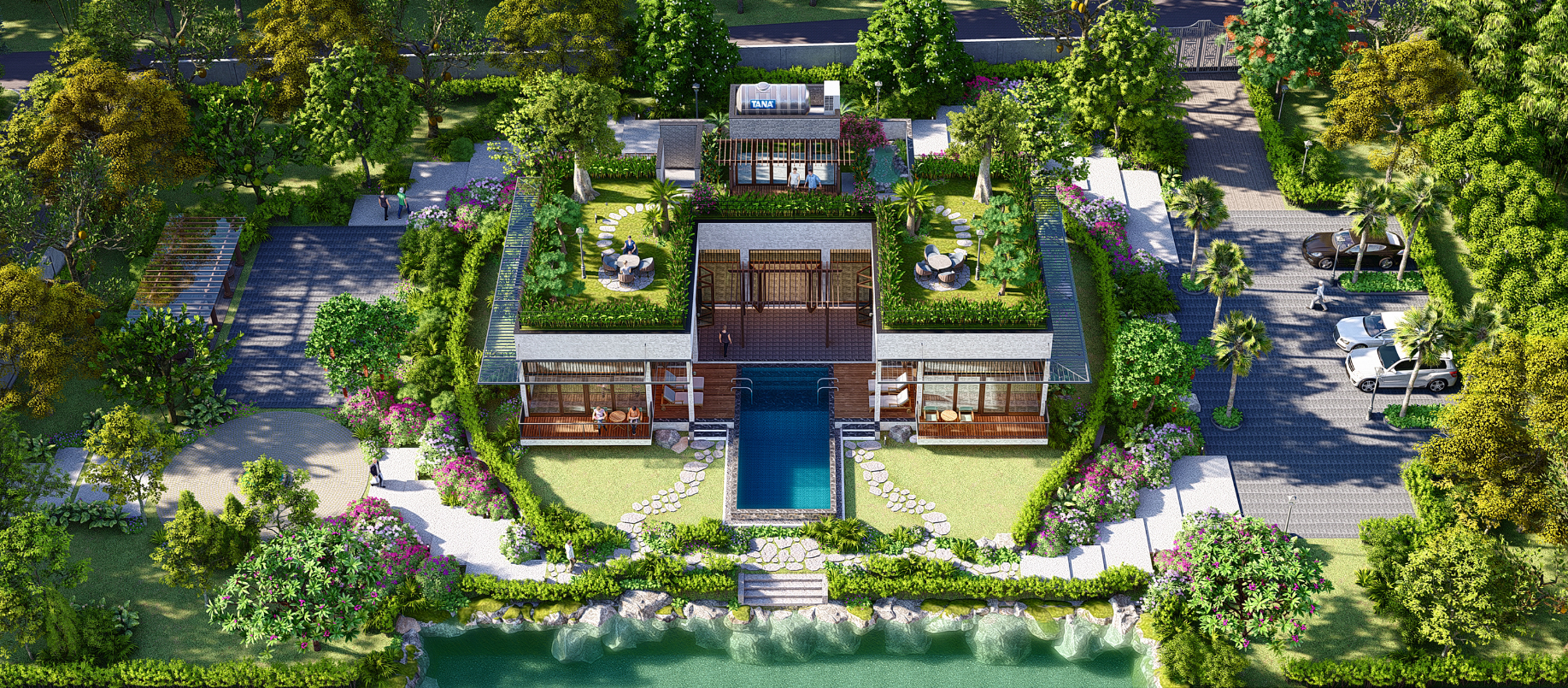
Benefits of landscape garden design documentation