
$0.00


In modern residential projects, outdoor landscape design is much more than just a pretty backdrop—it plays a vital role in elevating daily life and building a green, sustainable future for the entire community. When an outdoor space is thoughtfully planned from the ground up, it creates a seamless harmony between architecture, nature, and everyday amenities, bringing a truly distinct and upscale value to the whole neighborhood.
Drawing from years of passion and hands-on experience in landscape design and construction, HEY GARDEN is dedicated to delivering a seamless, professional planning process—from the very first sketch to the final touch on-site. Every project we touch is carefully researched to balance beautiful aesthetics, practical function, and overall harmony, helping to craft modern, lush, and nature-inspired environments you can truly call home.
Key Elements in Modern Residential Landscape Design
In modern residential projects, finding the perfect balance between lush greenery, public amenities, and shared social areas is incredibly important. A thoughtfully planned landscape from the ground up does not just boost the neighborhood’s looks; it also brings a breath of fresh air, everyday convenience, and an elevated living experience for all residents.
Today, outdoor landscaping is no longer just a pretty decoration—it has become a vital part of urban planning and sustainable community growth. Neighborhoods that offer beautiful green pockets, a wide range of amenities, and high-quality shared spaces always create a powerful magnet for homeowners while boosting property values over time. Below are the essential elements that shape a modern residential landscape today.
Parks and Green Spaces
Parks and green zones are truly the “green lungs” of any neighborhood. They do wonders for cooling down urban heat, refreshing the air, and creating peaceful escapes where residents can easily reconnect with nature.
-
The Central Park: This is the social heart of outdoor living, usually designed with expansive green lawns, shady canopy trees, and open spaces perfect for community events, family picnics, or morning yoga. Some parks also feature mini open-air stages, cozy seating areas, or artistic fountains to bring neighbors together and create a stunning focal point for the entire project.
-
Walking Paths and Flower Gardens: Footpaths are designed to wind gracefully through the greenery, lined with vibrant plants, blooming flowers, and comfortable rest benches. These paths are perfect for residents to jog, unwind, and soak in the fresh air every day. Plus, the colorful flower gardens offer gorgeous, Instagrammable backdrops right outside their doors.
-
Shade Canopy Trees: Lush trees are smartly placed along internal roads and throughout the parks to offer cool shade, cut down building heat absorption, and make walking outdoors a breeze. Choosing the right tree species also brings a beautifully unified and upscale look to the whole property.
Public Amenities
Public amenities are key to satisfying the fitness, entertainment, and social needs of residents of all ages, helping to shape a modern, friendly, and civilized lifestyle.
-
Children’s Playgrounds: These fun zones are equipped with top-safety features like slides, swings, and climbing sets, all built on shock-absorbing rubber flooring or artificial turf to keep the little ones safe. They are usually placed close to green trees to stay breezy and welcoming.
-
Open-Air Sports Courts: Modern neighborhoods love to integrate mini football fields, tennis or badminton courts, and outdoor gym fitness stations. These spots naturally encourage an active, healthy lifestyle and serve as a great hub for neighbors to bond and stay fit together.
-
Creative and Relaxation Hubs: Forward-thinking projects also carve out quiet outdoor reading nooks, open-air art courtyards, or weekend workshop spaces where kids and adults can gather for creative activities and socialize.
Internal Pathways and Traffic Flow
An internal transport system needs to be smartly designed to ensure absolute safety, effortless movement, and a smooth daily commute for everyone.
-
Pedestrian Walkways: These paths are often paved with natural stone, stamped concrete, or anti-slip tiles, paired with ambient lighting to look stylish and ensure safe strolls at night. Many premium neighborhoods also add covered pavilions and rest gazebos along the way.
-
Internal Roads: Roadways are smartly divided for pedestrians, bicycles, and inner-complex vehicles. Natural drainage layouts are carefully calculated to prevent any puddling during the rainy season, keeping the infrastructure durable and clean.
-
Parking Zones: Parking lots are arranged in convenient, low-profile areas to fully meet the needs of both residents and guests without disrupting the beautiful view of the overall landscape.
Water Features and Eco-Landscapes
Water features don’t just naturally balance the microclimate; they also add an incredible sense of luxury and aesthetics to the entire community.
-
Retention and Landscape Lakes: Scenic lakes are beautifully integrated with walking trails, lakeside benches, small rockeries, or gentle waterfalls to offer the ultimate relaxing view. The soothing sound of flowing water brings a deep sense of peace after a long day.
-
Natural Drainage Systems: Designing eco-friendly drainage systems combined with aquatic plants helps naturally purify the water, control heavy rain runoff, and protect a sustainable ecosystem.
-
Lakeside Gardens: The banks around the water are dressed in lush greenery, blooming flower beds, and miniature landscapes, creating a seamless, close-to-nature vibe that invites residents to sit back and relax.
Community Social Zones
These are the dedicated spaces built to spark connections, laughter, and a true sense of belonging among neighbors.
-
Plazas and Rest Corners: Open-concept plazas come alive with comfortable outdoor seating, green canopies, and shared spaces where residents can chat with friends, read a book, or enjoy quality time with family.
-
Outdoor BBQ Areas: Thoughtfully equipped with dining tables, grills, and protective shelters, the BBQ zones are the perfect match for weekend family gatherings or lively neighborhood parties, fostering a tightly-knit community.
-
Event Spaces: Several high-end residential projects design multi-functional outdoor areas to host weekend flea markets, seasonal festivals, or small community gatherings, making neighborhood life vibrant and fun.
Lighting and Security Systems
Smart lighting and round-the-clock security ensure that the neighborhood remains safe, cozy, and effortlessly convenient, especially when the sun goes down.
-
Landscape Lighting: Energy-saving solar-powered lights or integrated LEDs are beautifully installed along paths, parks, and plazas. They save energy while creating a mesmerizing, glowing visual treat for the landscape at night.
-
CCTV and Security Networks: Smart surveillance cameras are carefully placed at public hubs like entrance gates, parks, and parking zones to ensure a worry-free environment and support smooth property management.
-
Guard Houses and Access Control: Secure guard gates and smart access systems control incoming traffic, keeping the neighborhood private, safe, and exclusive for its residents.
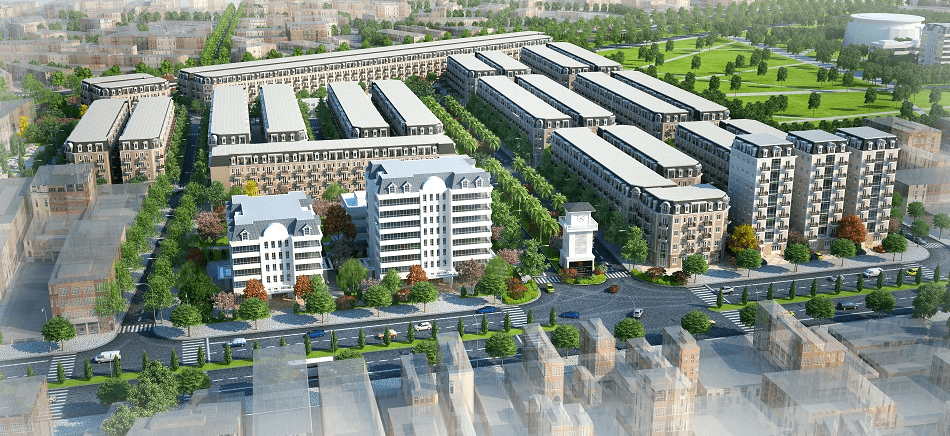
Key Elements in Modern Residential Landscape Design
The Residential Landscape Design Process
Residential landscape design is the art of blending nature, architecture, and community amenities to shape a green, modern, and sustainable living environment. To guarantee beautiful aesthetics, perfect everyday function, and an optimized investment budget, the entire design process must be carried out step-by-step with absolute professionalism.
Every phase plays a vital role—from the initial site survey and conceptualization to the final on-site construction and long-term care. A scientifically structured process does not just elevate the overall building quality; it also crafts an effortlessly convenient, nature-inspired environment that perfectly meets the daily needs of every resident.
Site Survey and Analysis
This is the essential first step that helps the design team deeply understand the unique characteristics of the land before any transformation begins.
-
Topography Evaluation: We survey the land’s slopes, wind directions, water sources, and current ground levels to fully optimize space distribution and land use. Getting the topography right prevents any unexpected issues during construction and long-term operations.
-
Climate and Soil Analysis: Elements like rainfall, temperature, humidity, and soil profiles are carefully studied. This ensures we select the perfect plant species, durable materials, and engineering solutions tailored to the local environment.
-
Existing Flora Survey: Mapping out the pre-existing trees and natural ecosystem allows us to make the most of what nature already provided, preserving the original landscape charm while lowering investment costs.
-
Resident Needs Assessment: The design team identifies the main groups of people who will enjoy the space—such as children, seniors, or fitness lovers—to thoughtfully place the right amenities, from playgrounds and quiet lounges to sports courts and social areas.
Crafting Concepts and Design Styles
The design concept is the “soul” of the entire landscape, setting the overall style and ensuring a beautiful, unified theme throughout the project.
-
The Modern Style: This layout thrives on sleek, minimalist lines, open-concept spaces, and smart technology like automated watering setups, motion-sensor lighting, and contemporary outdoor seating.
-
The Tropical Style: This vibe prioritizes lush, broad-leaved canopy trees, scenic water features, natural stones, and vibrant color palettes to bring a cool, refreshing, and wild nature escape right to your door.
-
The Traditional Style: Inspired by local culture, this style weaves in artistic details, indigenous natural materials, or classic architecture to create a deeply nostalgic and comforting feeling of home. Each style is customized to fit the project’s scale, the residents’ wishes, and the practical site conditions to ensure an ideal match of beauty and function.
Landscape Master Planning and Detailed 3D Renderings
Once the concept is polished, the design team brings the ideas to life through highly detailed blueprints and visual renderings.
-
The Landscape Master Plan: This blueprint clearly maps out the placement of parks, footpaths, water bodies, playgrounds, sports fields, and supportive facilities, ensuring a smart and balanced flow between all functional zones.
-
Detailed 3D Renderings: High-quality 3D visualizations help clients easily preview the entire finished landscape from every angle, making it simple to tweak details and align visions.
-
Functional Zoning Layout: Every dedicated zone is mathematically calculated and smartly arranged to maximize real-life usability, elevating the daily lifestyle for everyone.
Carrying Out Landscape Construction
The construction phase turns the creative ideas on paper into real-world beauty, requiring seamless coordination between technical engineers and the on-site build team.
-
Site Preparation: We clear the area, level the ground, and prepare solid foundations to create the perfect canvas for the landscape features.
-
Infrastructure Installation: This includes laying down the underground grids for smart lighting, automated irrigation, water supply, and drainage systems, ensuring the entire property operates smoothly and durably.
-
Planting and Micro-Landscape Finishes: Trees and greenery are selected to match the climate and design style. At the same time, focal points like koi ponds, cascading waterfalls, artistic fountains, or cozy BBQ zones are put together to instantly lift the area’s visual appeal.
-
Testing and Final Inspection: The entire project undergoes a rigorous inspection to check against high technical standards, absolute safety, and premium quality before being proudly handed over.
Landscape Maintenance and Long-Term Care
Once construction wraps up, continuous care is the secret key to keeping the landscape looking stunning and healthy as the years go by.
-
Routine Maintenance: This involves regular tree pruning, pathway cleaning, and checking on the lighting and smart watering systems to keep the scenery fresh, neat, and running flawlessly.
-
Plant Health Checks: Any plants that are underperforming or struggling to adapt are replaced promptly to maintain a beautifully consistent and lush look for the whole community.
-
Material Upgrades and Refurbishment: Outdoor features like paving stones, benches, and playground gear are regularly checked and refreshed when worn down, ensuring a safe and premium experience for residents.
-
Team Training and Smooth Operations: The maintenance team is fully trained in advanced care routines and smart system management, keeping the project’s landscape quality high-end and sustainable for the long run.
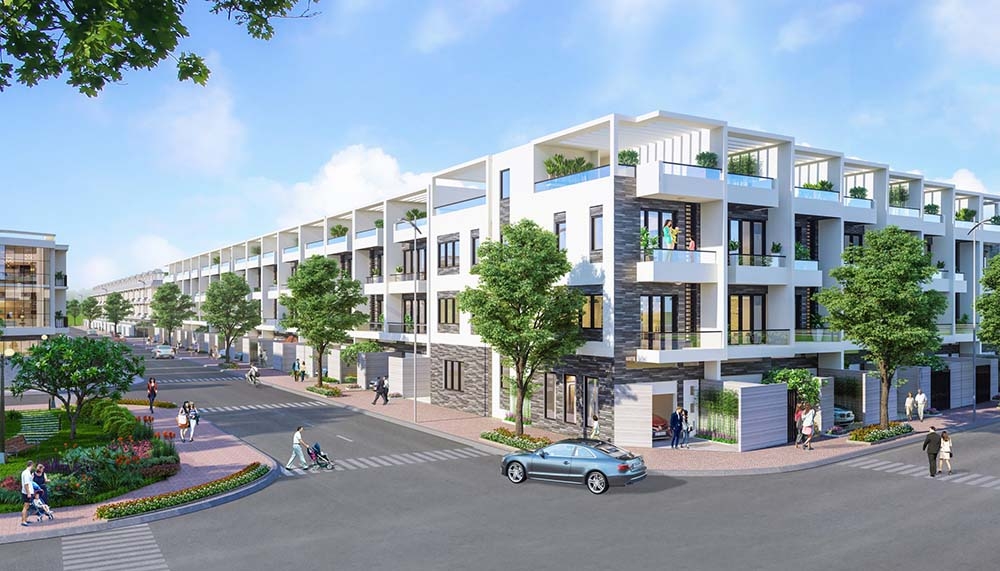
The Residential Landscape Design Process
Core Principles of Residential Landscape Design
Residential landscape design is a cornerstone of modern urban planning, playing a vital role in shaping green, effortless, and sustainable environments for entire communities. A thoughtfully crafted outdoor space does much more than just elevate the property’s looks; it actively refreshes daily life, sparks meaningful neighborhood connections, and brings a healthy balance back to the urban ecosystem.
Today, outdoor landscaping is no longer just a decorative afterthought—it has become a benchmark for measuring the true quality of a residential development. Because of this, the design process must follow key core principles to ensure a beautiful harmony between nature, architecture, and the real-life needs of the residents. Below are the essential principles driving modern residential landscape design today.
Spatial Balance
A high-quality neighborhood thrives on a well-proportioned layout that balances lush greenery, public amenities, and technical infrastructure. This spatial harmony creates a breezy, open, and comfortable living environment where nature is always within arm’s reach.
-
Optimizing Green Footprints: Green zones must be smartly distributed to meet premium urban planning standards. These lush pockets don’t just naturally purify the air; they also lower daily outdoor temperatures and wrap the community in a deeply soothing vibe.
-
Smart Placement of Functional Zones: Parks, green lawns, and children’s playgrounds are intentionally placed close to shared social hubs. This setup naturally encourages daily interactions and makes enjoying the open-air amenities a seamless part of every resident’s day.
-
Layering the Landscape: Blending shady canopy trees, mid-sized shrubs, soft lawns, and miniature features adds incredible architectural depth. It gives the neighborhood a vibrant, texturized, and organically fluid look.
Ensuring Long-Term Sustainability
Modern landscape design must point toward a sustainable future, minimizing environmental footprints while making the absolute best use of natural resources.
-
Selecting the Right Plant Species: We prioritize indigenous plants or species that naturally adapt well to the local climate. This smart selection ensures stable, long-term growth while significantly cutting down on maintenance efforts and costs.
-
Integrating Water-Saving Irrigation: Incorporating automated watering setups or smart rainwater harvesting systems helps preserve precious water resources while making daily garden care smooth and highly efficient.
-
Cooling Down Urban Heat: Strategic placements of shade trees, scenic lakes, and open plazas work together to mitigate heavy heat retention, beautifully softening the microclimate to offer a cooler lifestyle for everyone.
Aesthetics Paired with Functionality
A gorgeous landscape must always go hand-in-hand with its ability to serve, accommodate, and elevate the everyday activities of its residents.
-
Unified and Harmonious Layouts: Greenery, water features, pedestrian paths, and amenity structures are woven together under a single, unified theme, crafting a sleek, modern, and highly artistic master plan.
-
Catering to All Lifestyles: Outdoor spaces are thoughtfully carved out to serve diverse needs—from quiet rest corners and active sports courts to kids’ play zones and event plazas—making sure everyone from toddlers to seniors feels right at home.
-
Design Flexibility: Modern layouts leave room for smooth adjustments or future expansions as the community’s needs evolve over time, unlocking the maximum long-term value for the entire property.
Honoring Local Culture and Heritage
A brilliant landscape plan does more than just look pretty—it reflects the unique character, identity, and cultural spirit of its location.
-
Artistic Features with Local Signatures: Elements like scenic ponds, decorative sculptures, native patterns, or traditional architectural lines can be thoughtfully integrated to give the neighborhood its own proud identity and a memorable focal point.
-
Prioritizing Native Materials: Using local natural elements like regional stone, timber, or traditional brickwork not only keeps budgets smart but also builds a warm, welcoming, and eco-conscious atmosphere.
-
Weaving Culture into Everyday Living: A design that respects local heritage creates an instant sense of belonging, helping residents feel deeply rooted in their neighborhood while fostering a civilized, tightly-knit, and sustainable community.
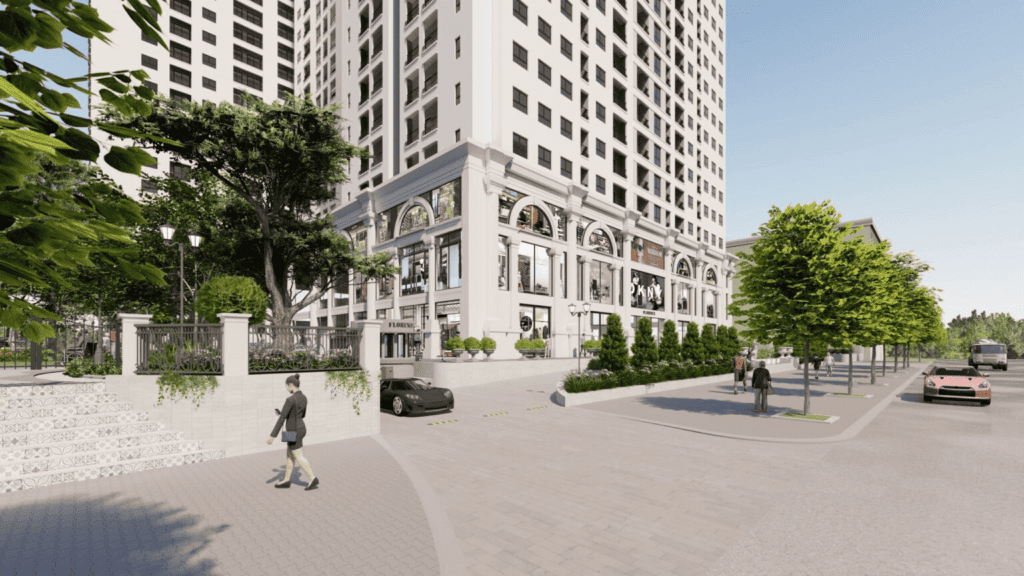
Core Principles of Residential Landscape Design/em>
HEY GARDEN — Crafting Sustainable Green Lifestyles
With a deep passion for bringing nature closer to modern life, HEY GARDEN pours heart and precision into every landscape design and construction solution for residential communities. For us, a project is never just about beautiful looks; it is about creating a perfect harmony between people, architecture, and a sustainable living environment.
From lush green pockets and scenic lakes to vibrant community spaces, HEY GARDEN always prioritizes practical function, everyday experiences, and timeless value for every neighborhood we touch. We truly believe that a thoughtfully planned landscape does much more than just elevate daily life—it helps shape a civilized, energetic, and nature-inspired community.
HEY GARDEN is committed to walking by your side on the journey to craft green, effortless, and deeply inspiring environments built for the future.
HEY GARDEN CO., LTD
Address: 48 Street No. 13, Lakeview City Residential Area, Binh Trung Ward, Ho Chi Minh City, Vietnam
Hotline: 036 503 6006
Website: Heygarden.vn
HEY GARDEN — A Part of Your Life 🌿
