
$0.00


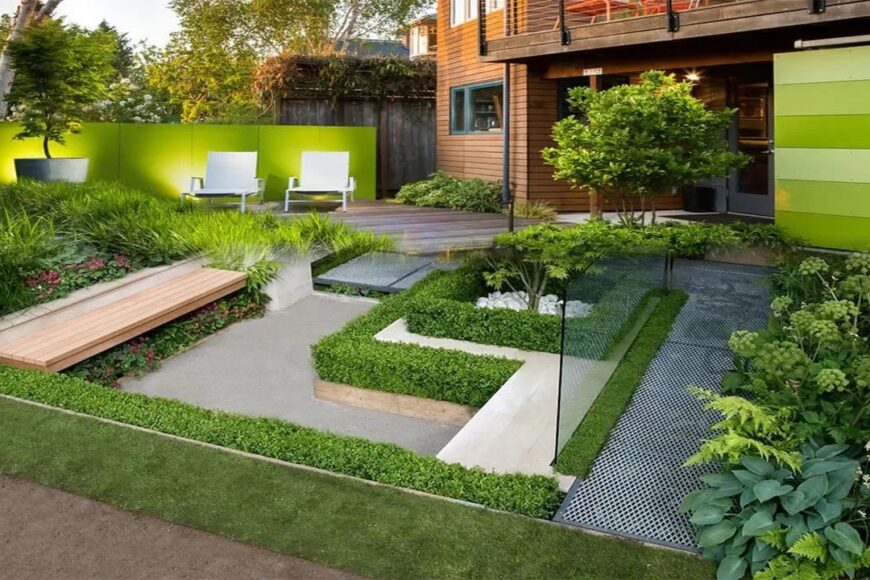
In garden and landscape design, layout is considered the vital foundation that determines the aesthetics, functionality, and overall harmony of the entire space. It goes beyond simply arranging greenery, pathways, water features, or miniature landscapes; layout is the art of spatial organization, ensuring every element is closely connected and mutually supportive. A well-thought-out layout balances the garden, creates striking focal points, and offers comfort and convenience to its users. Conversely, a poorly planned arrangement can leave the space feeling disconnected, unbalanced, and unable to reach its full potential. So, why exactly does layout play such a crucial role in garden and landscape design? Let’s find out in this article.
What Is Landscape Design Layout?
In design, layout is the arrangement and organization of elements within a space in a logical order to achieve harmony, balance, and aesthetic appeal. In the field of landscaping, the layout acts as the “backbone” of the entire design, dictating how all components connect and interact with one another.
Landscape design layout is the process of arranging both natural and man-made elements—such as plants, water features, pathways, mini-landscapes, seating areas, and supporting structures—within an outdoor space. A great layout not only elevates the overall beauty but also optimizes functionality, ensuring convenience and a comfortable experience for everyone.
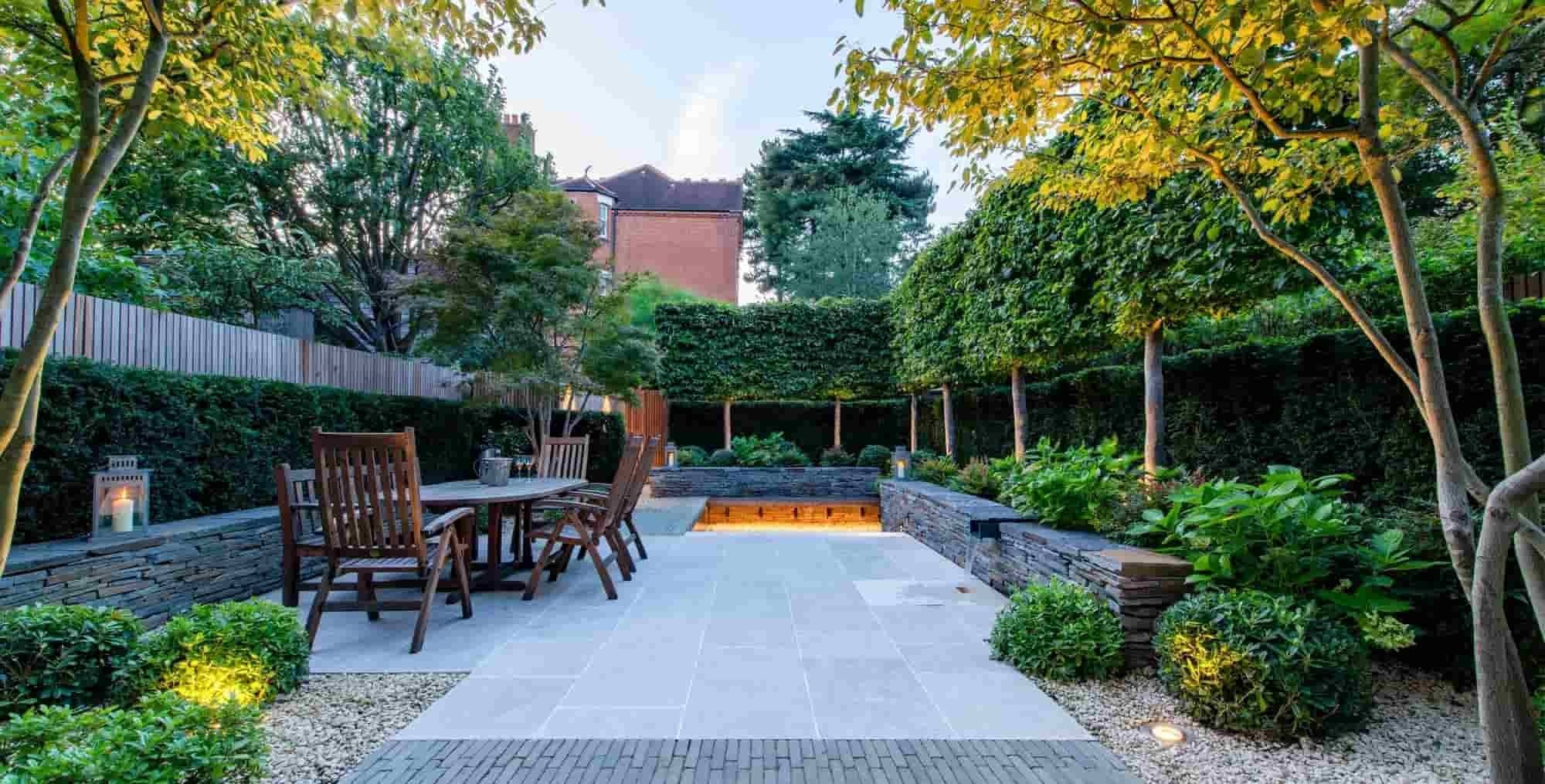
Landscape Design Layout
The Significance of Layout in Shaping Landscape Spaces
Creating Harmony and Balance
A well-thought-out layout ensures that all landscape elements are perfectly balanced in terms of proportion, shape, color, and size. The harmonious combination of greenery, pathways, decorative materials, and architectural structures creates a unified whole, offering a pleasant feel and a close connection to nature. Furthermore, the landscape must seamlessly sync with the building’s architecture. This creates a smooth transition between indoor and outdoor spaces, ultimately elevating the aesthetic value of the entire project.
Guiding Spatial Flow and Optimizing Functionality
Landscape layout helps clearly define functional zones, such as relaxation spots, play areas, pathways, gathering courtyards, or planting beds. This logical arrangement allows users to navigate easily, orient themselves, and utilize the space efficiently. At the same time, a smart layout maximizes the usable area and builds a seamless connection between different zones without making the space feel cramped or disconnected.
Elevating Visual Experience and Emotional Connection
A great landscape design isn’t just something to look at; it evokes positive emotions for those who experience it. Layout plays a key role in guiding the viewer’s eye, creating striking focal points, and adding depth to the space. The smooth transition between plants, water features, open spaces, and decorative elements brings the environment to life—fostering relaxation, comfort, and a deep sense of connection with nature.
Ensuring Sustainability and Eco-Friendliness
A meticulously planned landscape layout takes full advantage of natural resources like sunlight, wind, and water. Strategically placing trees, designing efficient irrigation and drainage systems, and selecting the right materials help minimize environmental impact while cutting down on operational and maintenance costs. Additionally, a scientifically structured layout makes ongoing garden care and upkeep much more convenient, preserving the beauty and value of the project for years to come.
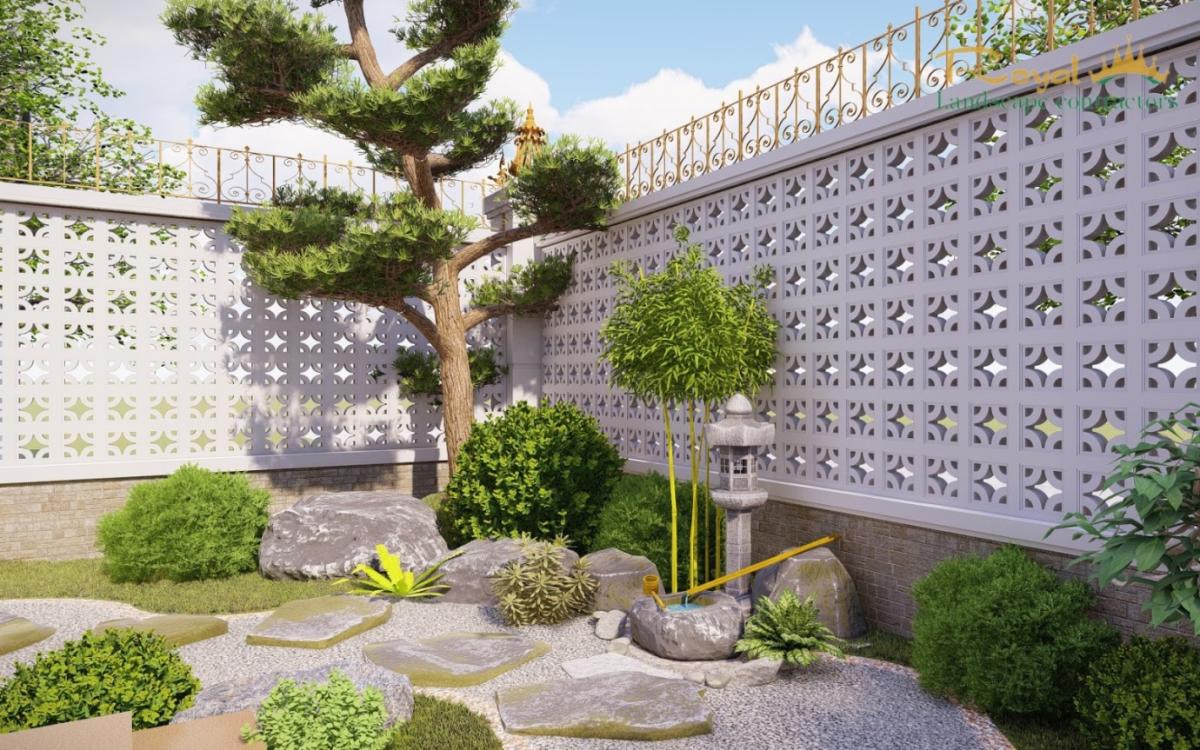
The Significance of Layout in Shaping Landscape Spaces
Key Considerations When Designing Layouts for Landscape Projects
To create a beautiful, harmonious landscape that maximizes its usability, the layout must be meticulously planned right from the initial design phase. Below are the essential factors to keep in mind when designing a layout for landscape projects.
Aligning with Terrain and Natural Conditions
Every site comes with its own unique characteristics regarding topography, climate, soil quality, and ecosystem. Therefore, before developing any design plans, conducting a site survey is mandatory to fully evaluate the land’s natural conditions. Tailoring the layout to the existing site conditions not only helps take full advantage of its natural assets but also reduces construction costs, saves resources, and minimizes environmental impact.
Ensuring Harmony Among Landscape Elements
An effective landscape layout requires a seamless connection between natural and man-made elements. Greenery, water features, decorative stones, pathways, and architectural structures should be meticulously organized in terms of scale, color, and design style. This harmony does not just elevate aesthetics; it bridges the gap between the main building architecture and the outdoor space, bringing a sense of unity to the entire project.
Prioritizing Functionality and Usability
Beyond visual appeal, a landscape layout must effectively serve practical needs. Functional zones—such as relaxation corners, play areas, walkways, social courtyards, or green pockets—need to be clearly defined and smartly positioned. Organizing the space scientifically allows users to navigate effortlessly, access various functional areas easily, and enjoy the space to the fullest.
Creating Striking Focal Points
A remarkable landscape project always needs standout focal points to capture attention and establish its own unique identity. A focal point can be a Koi pond, a fountain, a mature heritage tree, a miniature mountain (Hon Non Bo), an art sculpture, or a stunning cluster of small landscape elements. When placed in the right spots, these focal points guide the viewer’s eye, add depth to the space, and bring the overall landscape to life.
Emphasizing Sustainability and Low Maintenance
Landscape design should not only target immediate beauty but also guarantee long-term value. Selecting plants suited to the local climate, utilizing durable materials, and engineering proper infrastructure will drastically cut down on future care and maintenance costs. Furthermore, when structuring the layout, it is vital to account for plant growth and how the space will evolve over time, ensuring the project maintains its beauty and sustainable functionality.
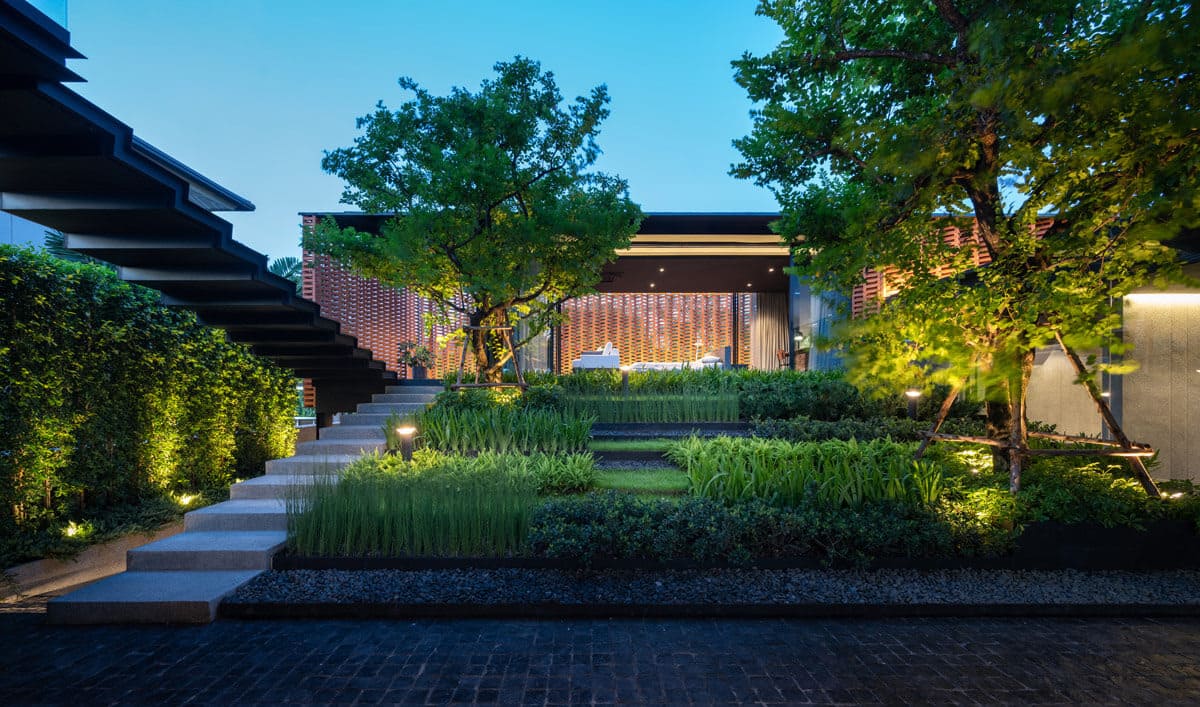
Key Considerations When Designing Layouts for Landscape Projects
Layout serves as the vital foundation for creating a harmonious, aesthetic landscape that effectively meets practical needs. A meticulously planned layout not only optimizes functionality and establishes striking focal points but also enhances the long-term value and sustainability of the project over time.
With extensive experience in landscape design and construction, HEY GARDEN always focuses on crafting tailored layout solutions for every unique space, ensuring a perfect balance between natural elements, architecture, and the actual needs of our clients. We believe that a successful landscape design is not just beautiful today but delivers lasting value—shaping green, relaxing, and inspiring living spaces for the future.
HEY GARDEN CO., LTD
Address: 48 Street No. 13, Lakeview City Residential Area, Binh Trung Ward, Ho Chi Minh City, Vietnam
Hotline: 036 503 6006
Website: Heygarden.vn

HEY GARDEN — A Part of Your Life 🌿
