
$0.00


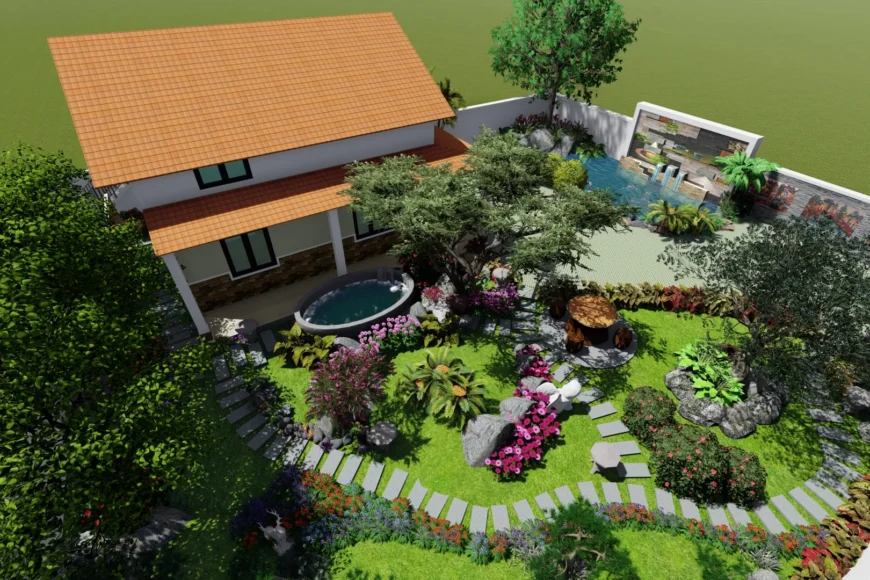
Along with the New Rural Development program, rural landscape design has gained increasing attention as a key solution to improving the quality of the living environment, preserving cultural identity, and driving local economic growth. A scientifically planned rural space not only brings about a harmonious beauty between humans and nature but also contributes to building a civilized, green, and sustainable community. However, to create a landscape that is both visually appealing and highly functional for long-term use, the design process must adhere to critical principles. Let’s explore the non-negotiable principles of rural landscape design with HEY GARDEN right below.
Overview of Rural Landscape Design
Rural landscape design is the process of planning and organizing living spaces to create harmony between humans, nature, and agricultural activities. Far beyond mere aesthetics, rural landscape design aims to preserve local cultural identity, improve the quality of the living environment, and promote sustainable community development.
By leveraging natural elements such as greenery, water bodies, topography, and existing ecosystems, rural landscapes are developed to be green, eco-friendly, and tailored to the practical conditions of each region. Furthermore, the rational layout of transportation systems, community spaces, production areas, and civil works contributes to a convenient, safe, and efficient living environment for local residents.
In the current context, rural landscape design does not just stop at beautifying villages; it also plays a crucial role in protecting the environment, developing eco-tourism, preserving traditional values, and enhancing both the material and spiritual lives of the community. This is considered one of the effective solutions contributing to building a green, civilized, and sustainable new countryside.
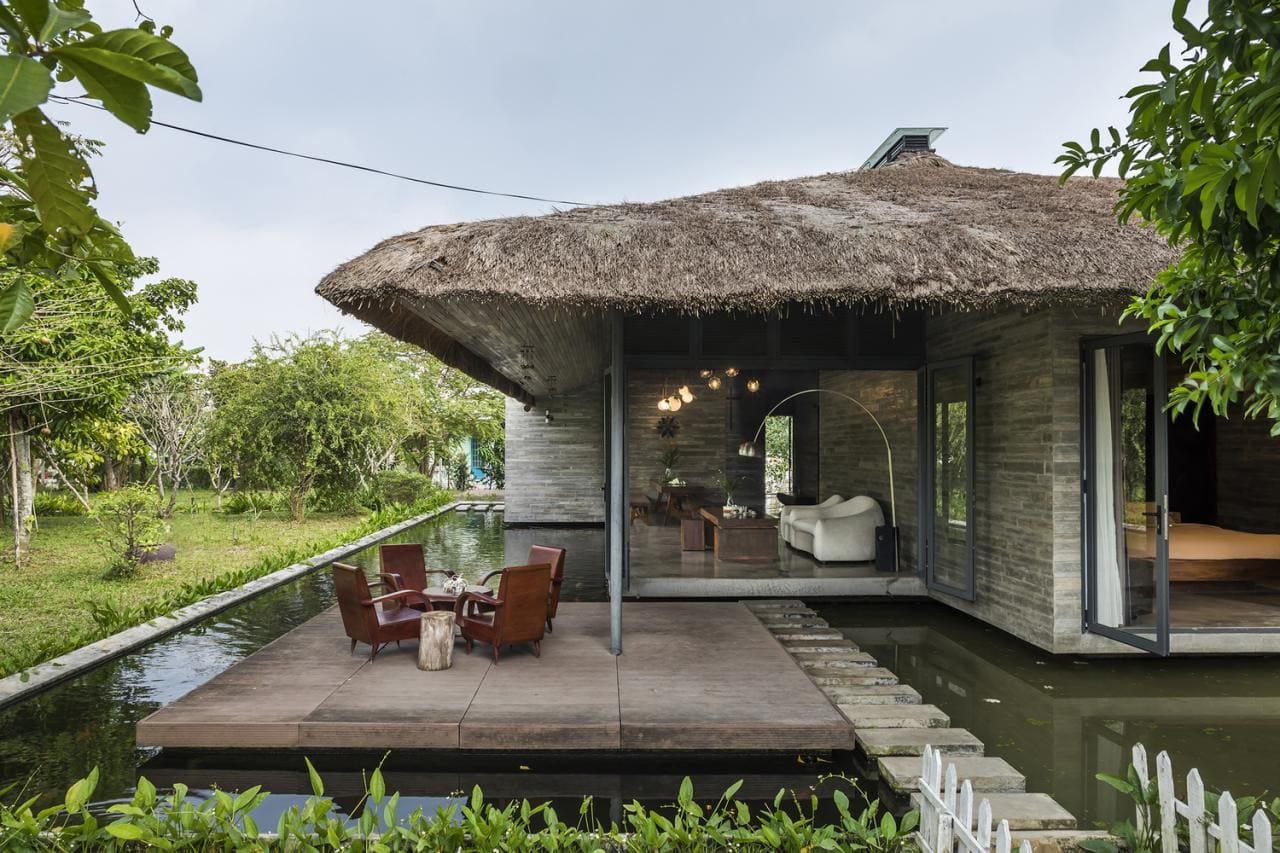
Overview of Rural Landscape Design/em>
Core Principles of Rural Landscape Design
To create a green, sustainable living space that matches the unique characteristics of each locality, rural landscape design must adhere to key principles. These principles not only elevate aesthetic value but also contribute to environmental protection, the preservation of cultural identity, and the improvement of the community’s quality of life. Below are the fundamental, non-negotiable principles in the rural landscape design process.
Respecting the Natural Topography
Respecting the natural topography is the foremost principle in rural landscape design. Each region possesses distinct features in terms of terrain, soil composition, and ecosystems—ranging from plains and hills to riverside or coastal areas. Designing based on these existing elements helps optimize construction costs, minimizes environmental impact, and preserves the inherent natural beauty of the area.
Conversely, excessive intervention in the terrain can lead to severe consequences, such as soil erosion, localized flooding, or a decline in biodiversity. Therefore, design solutions should focus on efficiently leveraging natural advantages while ensuring seamless harmony between built structures and the surrounding landscape.
Utilizing Eco-Friendly Materials
Selecting the right materials is a crucial factor in ensuring the sustainability of a landscape project. Natural materials such as stone, wood, gravel, and bamboo—or eco-friendly recycled materials—are highly preferred due to their ability to blend seamlessly with rural spaces and minimize ecological footprints.
Beyond bringing a rustic and approachable charm, these materials help reduce construction waste and enhance the longevity of the project. This serves as an effective solution to ensure aesthetics while meeting current trends in green and sustainable development.
Preserving and Developing Green Spaces
Green space is an indispensable component of rural landscape design. Systems of greenery, orchards, water bodies, and ecological zones not only create natural beauty but also regulate the microclimate, improve air quality, and protect the living environment.
Preserving existing green patches while developing new vegetated areas will significantly enhance the quality of life for local residents. At the same time, green spaces foster favorable conditions for community activities, relaxation, and recreation, contributing to a fresh, friendly, and sustainable living environment for rural areas.
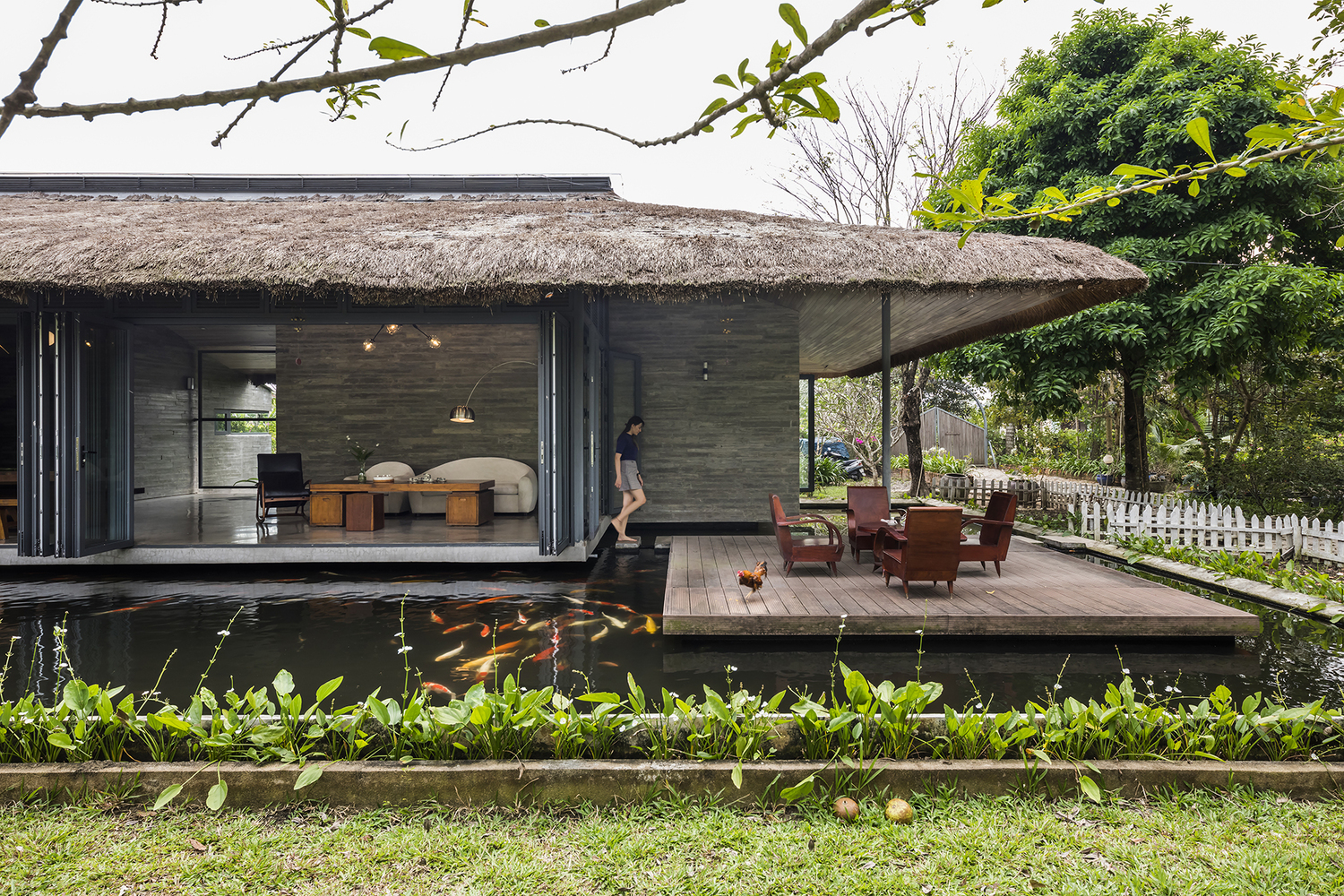
Core Principles of Rural Landscape Design
Key Elements in Rural Landscape Design
In addition to adhering to fundamental design principles, focusing on the distinct elements of rural spaces plays a critical role in creating a harmonious, convenient, and sustainable living environment. These elements not only elevate aesthetic value but also meet the needs of daily life, production, and long-term development of the local community.
Living and Communal Spaces
Living and communal spaces are the core elements of rural landscape design, as they host the daily activities of local residents. A well-thought-out design must ensure convenience in utility, safety in mobility, and a sense of comfort for every member of the community.
Areas such as residential zones, gardens, playgrounds, walking paths, and shared community spaces should be organized scientifically to foster a connection between humans and nature. Concurrently, prioritizing the use of greenery and eco-friendly materials will enhance the quality of life, offering an approachable, fresh, and highly experiential environment.
Production Spaces and Agricultural Landscapes
In rural areas, agricultural production is an inseparable part of the residents’ lives. Therefore, throughout the landscape design process, production spaces must be planned rationally to optimize land-use efficiency and facilitate seamless farming activities and agricultural transport.
Beyond their productive function, farmlands and orchards contribute significantly to the unique identity of the rural landscape. Harmoniously integrating arable land, fruit orchards, livestock areas, and field-access roads helps form a cohesive whole that is both visually striking and responsive to local economic development. Furthermore, proper planning solutions contribute to preserving soil resources, mitigating erosion, and maintaining the natural ecosystem.
The Element of Water in Landscape Design
Water is one of the vital elements that breathe life into the rural landscape. Water features such as ponds, lakes, canals, rivers, streams, or ecological retention ponds serve not only irrigation and daily needs but also help regulate the microclimate, improve the environment, and enhance the aesthetic value of the space.
In landscape design, harnessing and managing water resources must be executed scientifically to ensure long-term efficiency. Additionally, water features can become standout focal points when combined with greenery, miniature landscapes, or rest areas, creating relaxing spaces deeply connected to nature and full of countryside charm.
Greenery and Vegetation Systems
Greenery is an indispensable component of the rural landscape. Beyond providing shade and enhancing aesthetic appeal, trees and plants help improve air quality, lower ambient temperatures, and protect the soil from erosion.
Selecting plant species well-suited to the local climate and soil conditions will reduce maintenance costs and ensure the long-term vitality of the landscape. At the same time, a well-arranged greenery system contributes to creating lush, fresh, and vibrant living spaces for the community.
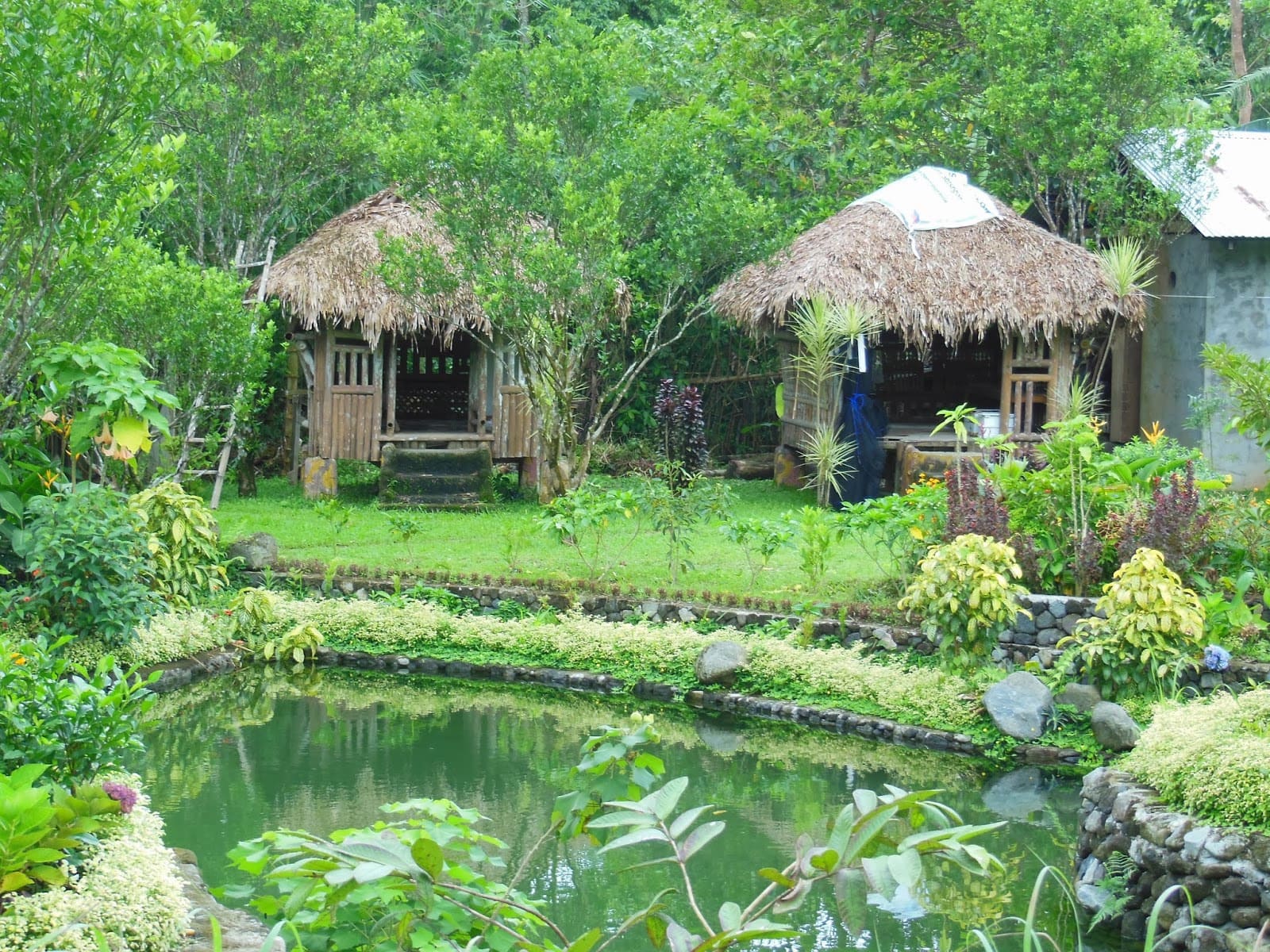
Key Elements in Rural Landscape Design
Modern Trends in Rural Landscape Design
Along with technological advancements and the green living movement, contemporary rural landscape design no longer focuses solely on aesthetics. Instead, it shifts toward sustainability, utility efficiency, and enhancing the community’s quality of life. Various modern solutions are being implemented to create rural spaces that preserve traditional identities while accommodating future development needs. Below are the prominent trends in modern rural landscape design.
Applying Technology to Landscape Management
The rise of technology brings highly effective solutions to the management and operation of rural landscapes. Systems such as automated irrigation, soil moisture sensors, water quality monitoring devices, and crop management software optimize resource consumption, cut operational costs, and elevate landscape maintenance efficiency.
Furthermore, integrating technology empowers residents to conveniently monitor and manage agricultural production zones, contributing to the establishment of a modern, smart, and eco-friendly living environment.
Designing Multifunctional Green Spaces
Modern green spaces do more than just decorate; they are designed to serve diverse community needs. Parks, orchards, community gardens, and ecological zones are integrated to provide areas for relaxation, recreation, social interaction, and community events.
In addition to improving the landscape and air quality, the multifunctional green space model generates economic value by incorporating high-value crops or developing agritourism (agricultural experiential tourism). This is a highly relevant trend aligning with current green and sustainable rural development strategies.
Developing Smart Agriculture
Smart agriculture is becoming an inevitable trend in modern rural development. Applying technology to production—such as sensor systems, automated irrigation, remote monitoring, and cultivation data management—helps boost yields and optimize production resources.
Concurrently, organic farming, circular agriculture, and high-tech farming models are gaining traction due to their ability to minimize environmental impacts and deliver high-quality agricultural products. When harmoniously integrated with proper landscape design, these models not only yield economic efficiency but also shape the image of a modern, green, and sustainable countryside.
Integrating Landscapes with Experiential Tourism
Another standout trend is pairing rural landscape development with eco-tourism and experiential tourism. Gardens, farms, traditional craft villages, and local cultural spaces are methodically planned to attract visitors, creating alternative streams of income for local residents.
The synergy between natural landscapes, agricultural production activities, and cultural experiences safeguards traditional values while unlocking sustainable economic growth opportunities for many localities in the future.
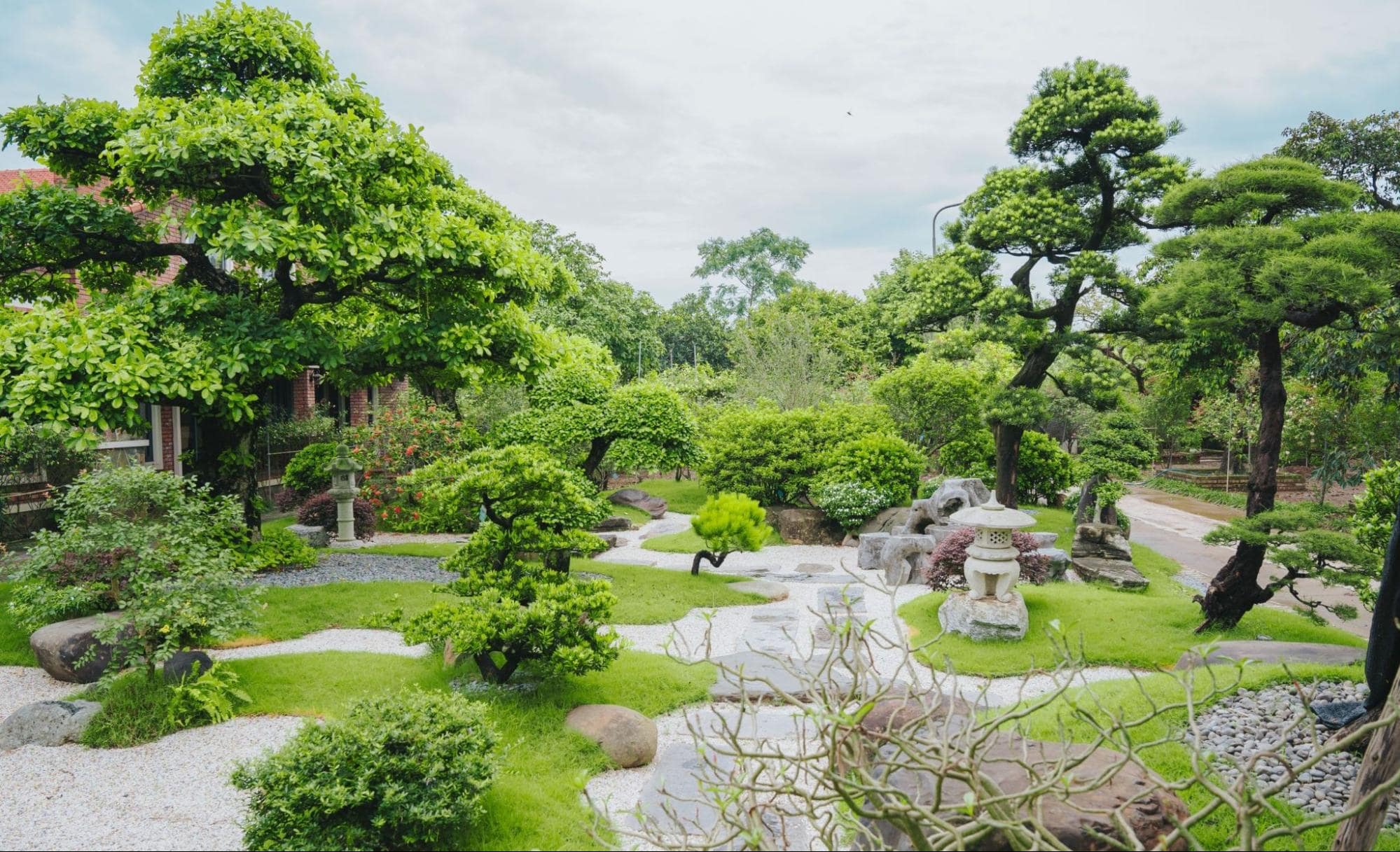
Modern Trends in Rural Landscape Design
HEY GARDEN – Partnering to Create Green and Sustainable Rural Landscapes
Rural landscape design is a harmonious blend of natural elements, local culture, and community development needs. A well-suited design solution not only creates a green, fresh, and aesthetically pleasing living space but also contributes to environmental protection, elevates the quality of life, and drives the sustainable development of rural areas.
With extensive experience in landscape design and construction, HEY GARDEN constantly innovates to deliver optimized solutions tailored to the unique topography and practical needs of each client. We firmly believe that every landscape project is more than just a beautiful space; it is a bridge connecting humans with nature, fostering enduring values for today and for generations to come.
HEY GARDEN CO., LTD
Address: 48 Street No. 13, Lakeview City Residential Area, Binh Trung Ward, Ho Chi Minh City, Vietnam
Hotline: 036 503 6006
Website: Heygarden.vn
HEY GARDEN — A Part of Your Life 🌿
