
$0.00


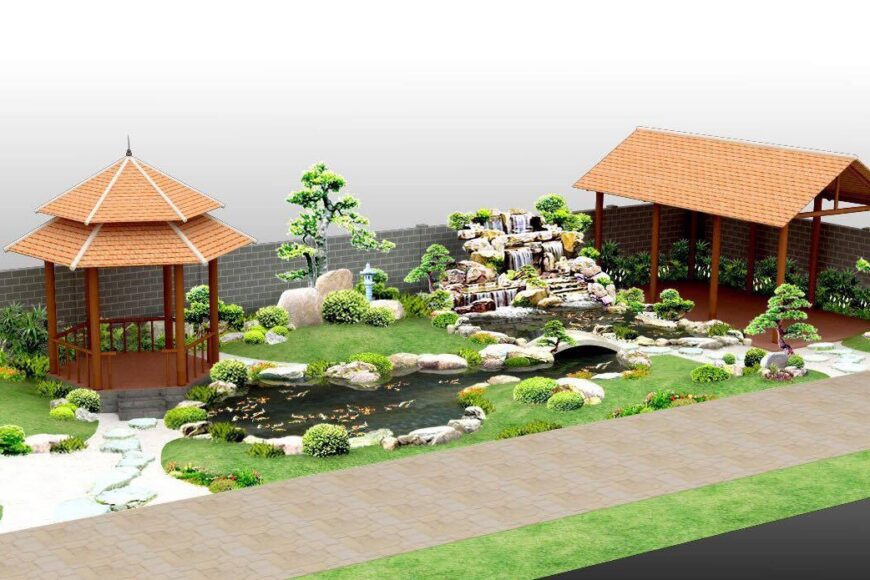
A koi pond is not only a striking highlight in garden landscape design but also provides a relaxing space close to nature, while bringing positive feng shui value to the homeowner. However, to ensure that the Koi fish grow healthily, maintain vibrant colors, and keep the pond constantly clean, proper care is paramount. From controlling water quality and managing feeding to conducting routine cleaning and maintenance, every single element contributes to creating a stable and sustainable Koi pond ecosystem.
The Benefits of Koi Pond Landscape Design
1. Creating a Relaxing Space to Reduce Stress
The gentle sound of flowing water, the vibrant colors of the Koi fish, and the green hues of nature combine to create a peaceful sanctuary. This is an ideal place to rest and unwind after stressful hours of work and study.
2. Enhancing the Aesthetic Value of the Home
A koi pond designed in harmony with the garden landscape becomes a prominent focal point for the entire property. The combination of greenery, natural stones, waterfalls, and Koi fish makes the space more lively, luxurious, and captivating.
3. Increasing Property Value
Homes that feature a well-invested garden koi pond often command a higher market value due to the beautiful scenery and quality living environment. This is considered a long-term investment in the homeowner’s property asset.
4. Bringing Positive Feng Shui Significance
In feng shui, Koi fish symbolize luck, prosperity, perseverance, and success. A koi pond properly positioned also contributes to balancing natural elements, attracting positive energy for the entire family.
5. Improving the Quality of the Living Environment
Greenery and water features in the garden help regulate temperature, increase air humidity, reduce dust, and create a cooler feel for the premises. This contributes to a fresh, clean, and pleasant living environment.
6. Creating a Space for Family Bonding
The koi pond garden is a place where family members can gather to care for the fish, enjoy the scenery, or host outdoor chats and relaxing gatherings. This element helps strengthen the connection and bonding among family members.
7. Reflecting the Style and Class of the Homeowner
Each koi pond project bears its own unique mark through the landscape layout, choice of materials, and design style. A beautiful koi pond garden not only showcases the owner’s aesthetic taste but also reflects their investment and prestige.
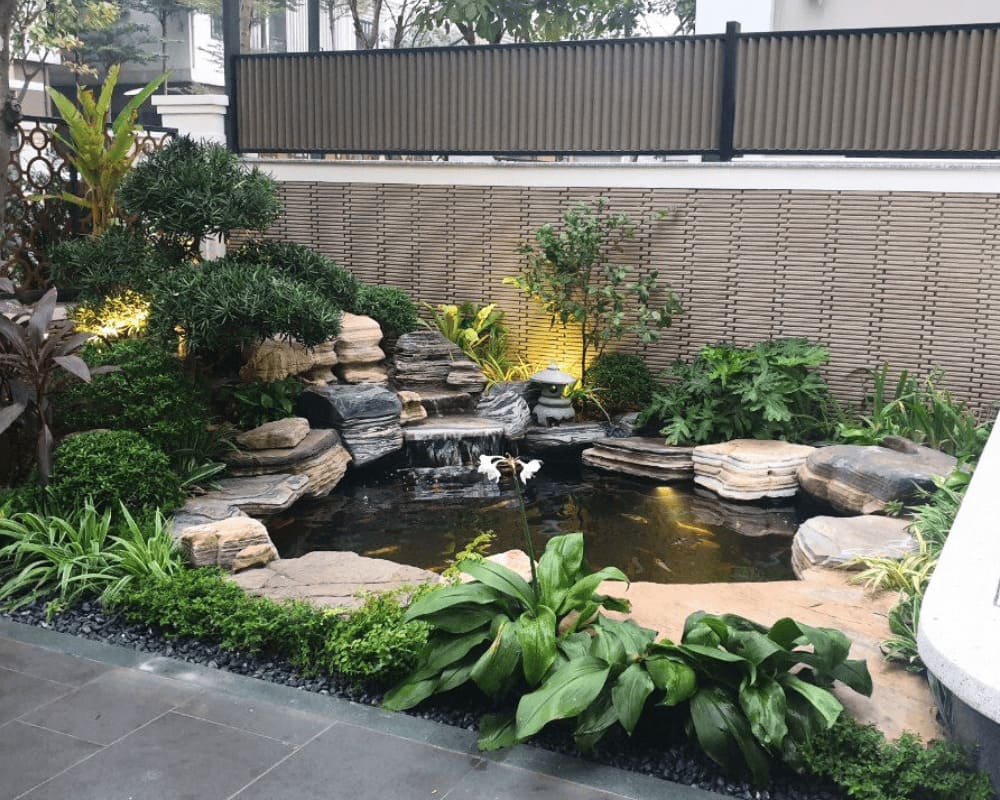
The Benefits of Koi Pond Landscape Design
Elements That Create a Unique Koi Pond Garden
The beauty of a koi pond garden does not lie solely in its scale or investment cost; rather, it is forged from the harmony between aesthetics, functionality, and the personal touch of the homeowner. To possess a truly distinctive masterpiece, close attention must be paid to the following key elements:
- Harmonious Design with Overall Architecture: The koi pond must be designed in sync with the home’s architectural style to create unity and balance. Whether it is a modern house, a neoclassical villa, or a Japanese-style garden, choosing the right pond shape, materials, and landscaping elements will make the space look more luxurious and natural.
- Maximizing Natural Terrain: Capitalizing on the land’s existing advantages—such as slopes, mature trees, or open spaces—will enhance the project’s aesthetic appeal while minimizing excavation and renovation costs. A design that blends seamlessly with the natural topography always evokes a genuine and organic feel.
- Integrating Distinctive Micro-landscapes: Features like waterfalls, artificial streams, miniature rockeries (hòn non bộ), wooden bridges, or stone pathways do not just make the garden more lively; they also serve as unique focal points. The movement of water combined with lush greenery injects a sense of tranquility and dynamism into the entire space.
- Themed Greenery Selection: Arranging plants and trees according to a specific theme gives the garden its own unique identity. Homeowners can choose a Japanese garden theme with topiary pines (tùng), bamboo, and maple trees; a tropical theme with large-leafed exotic plants; or a modern theme featuring minimalist yet sophisticated greenery.
- Creating Multiple Viewing Angles: A successful koi pond garden is one that can be admired and enjoyed from various vantage points. Strategic placement of the pond, micro-landscapes, and plants ensures stunning views whether you are looking from the living room, bedroom, balcony, or outdoor relaxation area.
- Artistic Landscape Lighting: Lighting plays a crucial role in elevating the beauty of the koi pond at night. A well-positioned lighting system highlights the water’s surface, the swimming Koi, waterfalls, and landscape features, creating a magical, luxurious, and emotionally ambient atmosphere.
- Standardized Water Filtration System: Beyond aesthetics, water quality is the ultimate factor determining the health of your Koi. An efficient filtration system keeps the water crystal clear, controls algae growth, and provides an ideal living environment for the fish, thereby maintaining the long-term beauty of the project.
- The Homeowner’s Personal Touch: A unique koi pond garden should not be a carbon copy of existing templates; it needs to reflect the personal style, preferences, and personality of the owner. Custom-tailored details will ensure the project stands out and grows more valuable over time.
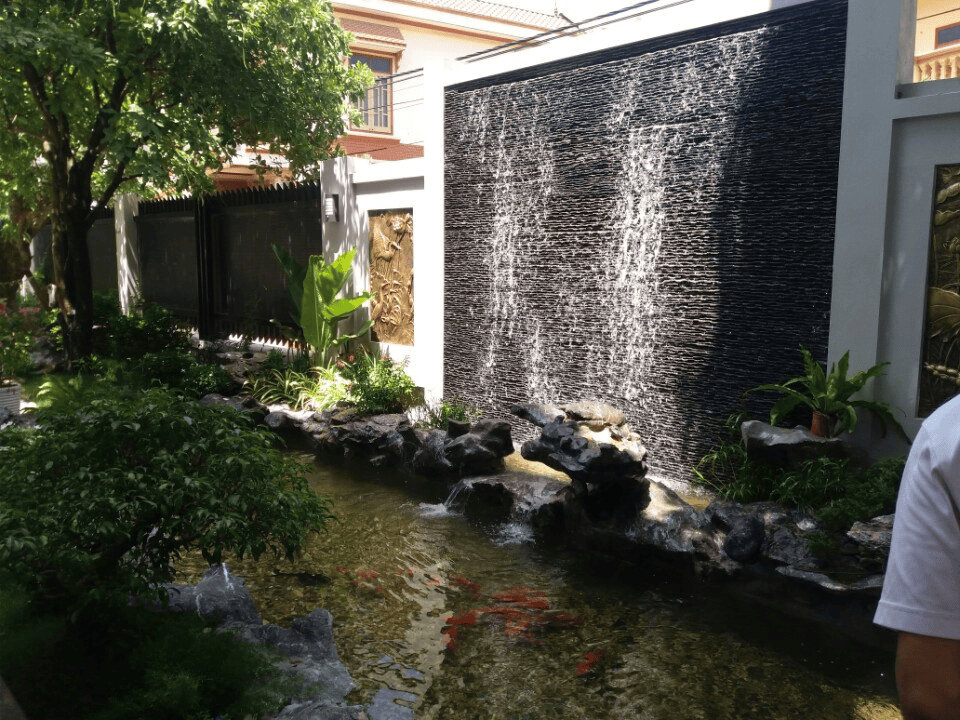
Elements That Create a Unique Koi Pond Garden
The Landscape Design Process for a Unique Koi Pond Garden
To create a stunning, technically standard koi pond garden that perfectly aligns with the homeowner’s needs, the design process must be executed through the following structured and methodical steps
Requirement Intake & Solution Consultation
The initial phase involves directly consulting with the client to understand their functional needs, desired design style, available site area, and investment budget. Based on this information, the architectural team will propose suitable solutions and establish a preliminary design direction before finalizing the partnership agreement.
Site Survey & Assessment
Once the initial requirements are agreed upon, the design team will conduct an on-site survey of the construction area. This task includes precise structural measurements, assessing the terrain topography, analyzing sun and wind orientation, examining the existing drainage system, and evaluating surrounding environmental factors. This comprehensive survey allows the architects to thoroughly understand the site’s characteristics, enabling them to strategically layout the koi pond and landscaping to ensure maximum aesthetics and long-term functional efficiency.
Concept Development & Schematic Design
Utilizing the surveyed data, the architects will develop the overall design concept for the koi pond garden. This schematic design illustrates the layout of the pond, greenery arrangement, waterfalls, pathways, relaxation areas, and decorative micro-landscapes. At this stage, the client is presented with master plans and preliminary 3D perspective renderings to easily visualize the finished space. Feedback and adjustments are welcomed and integrated to achieve the most optimized design solution.
Technical Design Documentation
Upon approval of the design concept, the specialized engineering team will proceed to develop the detailed technical documentation. This package includes comprehensive blueprints for the koi pond structure, the water filtration system, water supply and drainage, electrical and landscape lighting, planting plans, and all related landscape components. Technical specifications are meticulously calculated to guarantee construction feasibility, structural durability, and an ideal living ecosystem for the Koi.
Finalization & Delivery of Design Documentation
Once all design phases are completed, the full documentation package undergoes a rigorous quality check before being formally delivered to the client. This complete, detailed blueprint set allows the investor to seamlessly transition into the construction phase, efficiently monitor progress, and ensure the build quality strictly adheres to the mutually agreed-upon concept.
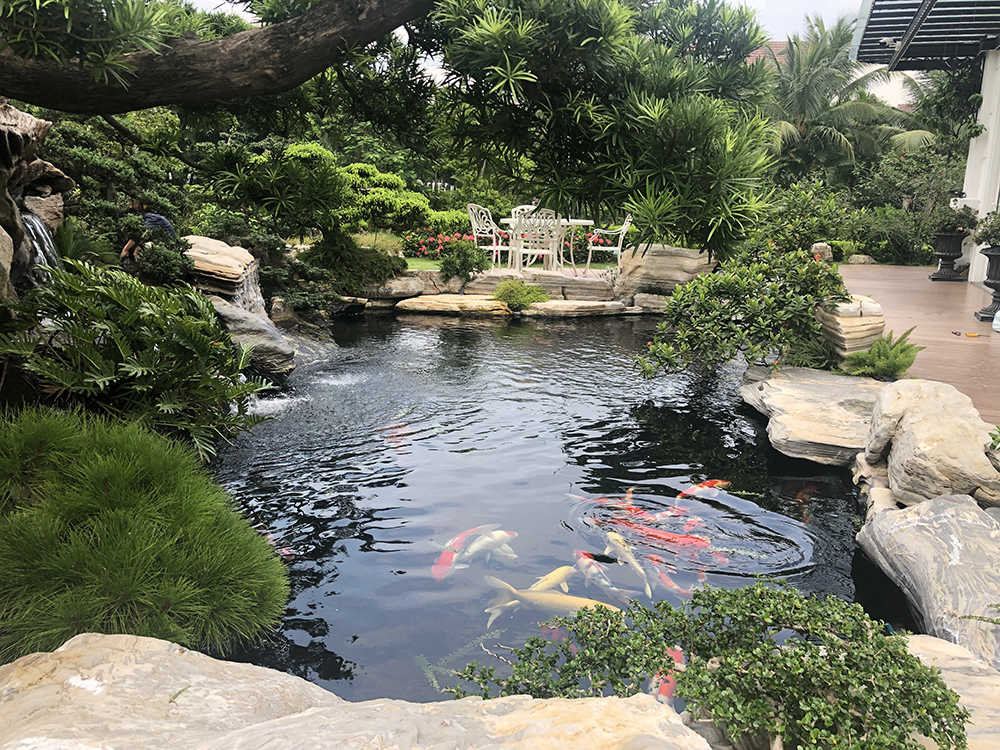
The Landscape Design Process for a Unique Koi Pond Garden
Critical Notes on Maintaining a Koi Pond
Maintaining Stable Water Quality
A koi pond is more than just a landscape feature; it is the direct living environment of the fish. Therefore, maintaining stable water quality is the utmost priority. The ideal pH level for Koi typically ranges from $7.0 – 7.5$ and should not fluctuate drastically throughout the day. While Koi can adapt to temperatures ranging from $8^\circ\text{C} – 35^\circ\text{C}$, the most suitable temperature range for healthy growth is $20^\circ\text{C} – 27^\circ\text{C}$. Additionally, equipping the pond with a standardized water filtration system is essential to eliminate waste, leftover food, and harmful pathogens, ensuring the water source remains crystal clear and well-balanced.
Proper Feed Management
Nutrition directly impacts the health, coloration, and growth rate of Koi fish. Homeowners should select high-quality feed rich in proteins, vitamins, and minerals that correspond to each stage of the fish’s development. It is also crucial to avoid overfeeding, as excess food will decay and rapidly degrade water quality. The ideal amount of feed is just enough for the fish to consume entirely within 3 to 5 minutes.
Routine Cleaning and Maintenance
To keep the koi pond beautiful and operating efficiently, routine cleaning must be performed. Every week, approximately 10% to 20% of the pond’s water volume should be replaced to maintain a stable living environment. Furthermore, the pond bottom must be checked regularly to remove sludge, debris, and fallen leaves. The filtration system, water pumps, and plumbing lines also require periodic cleaning and maintenance to prevent clogging or drops in operational efficiency.
Creating a Natural Ecosystem
A beautiful koi pond must balance technical engineering with a natural ecosystem. Homeowners can introduce aquatic plants like lotuses and water lilies, or position marginal plants along the pond’s edge to enhance aesthetics and support the balance of the aquatic environment. Integrating pebbles, rocks, waterfalls, or micro-landscapes also provides shelters for the fish while delivering a lively and harmonious relaxation space.
Regular Health Monitoring
Observing the behavior of the fish daily is the most effective way to detect early signs of abnormalities. If the fish exhibit signs such as loss of appetite, lethargic swimming, or the appearance of white spots and lesions on their bodies, immediate action must be taken to diagnose the cause and apply timely treatment to prevent the disease from spreading to the rest of the herd.
Expert Advice and Support
When a pond encounters complex issues—such as persistent cloudy water, sick fish, or an underperforming filtration system—seeking professional assistance is an essential solution. With a team of highly experienced landscape architects and specialists, HEY GARDEN is always ready to support clients through every step of caring for, maintaining, and upgrading their koi ponds. We do not just deliver effective treatment solutions; we help preserve the beauty, stability, and long-term value of your entire garden landscape masterpiece.
HEY GARDEN CO., LTD
Address: 48 Street No. 13, Lakeview City Residential Area, Binh Trung Ward, Ho Chi Minh City, Vietnam
Hotline: 036 503 6006
Website: Heygarden.vn
HEY GARDEN — A Part of Your Life 🌿
