
$0.00


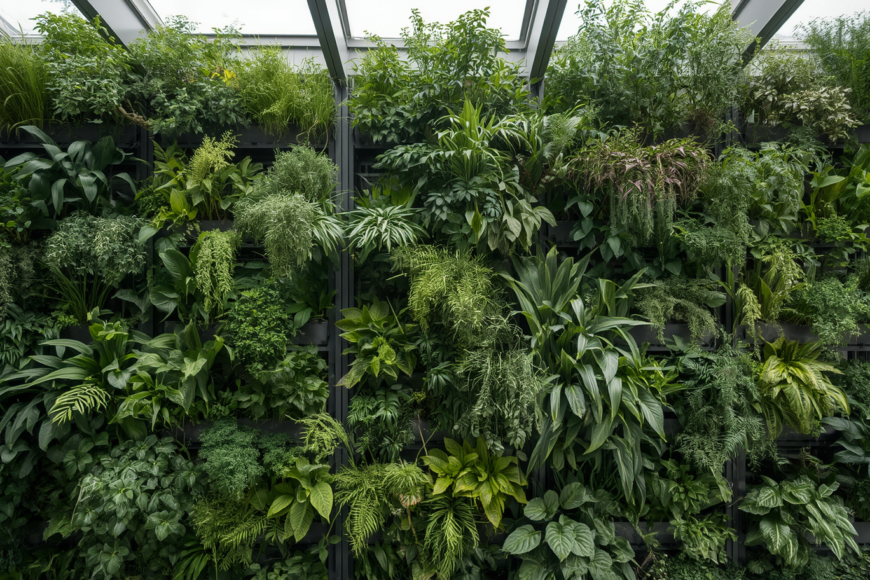
In the face of shrinking green areas, vertical gardens have become a preferred solution for families, businesses, and property developers looking to bring nature into their living and working spaces. Not only do they maximize usable space, but vertical gardens also enhance aesthetics, improve air quality, and create a unique architectural highlight for any property. However, prior to implementation, one of the most frequently asked questions is: “How much does a vertical garden cost?” and “What factors affect this investment?” In this article, let’s join Hey Garden to explore the detailed vertical garden installation price guide, as well as effective solutions to optimize your budget.
How Much Does a Vertical Garden Cost?
The cost of building a vertical garden is not fixed; instead, it depends on various technical factors, scale, and the design requirements of each project. In practice, even for the same surface area, using different systems, materials, and plant species can lead to a significant variation in the total investment.
Installation Area and Location
The total surface area directly impacts the overall cost of a vertical garden. While larger projects require a higher total investment, the unit cost per square meter ($/m^2$) is often more optimized. Additionally, specialized installation locations—such as building facades, high-altitude zones, or outdoor spaces—may incur extra expenses for labor, transportation, and setup.
Type of Vertical Garden System
Today, vertical gardens can be installed using various solutions, including felt pockets, plastic modules, planting trays, or hydroponic systems. Each approach comes with its own investment level. Among these, professional systems like plastic modules or hydroponics generally require a higher initial cost but deliver superior durability, aesthetics, and long-term operational stability.
Framing Materials and Accessories
The supporting frame determines the durability of the entire system. Materials such as stainless steel or galvanized steel usually carry a higher price tag than PVC, but they guarantee significantly better load-bearing capacity and corrosion resistance. Furthermore, accompanying accessories—including automatic irrigation systems, timers, pumps, and water supply lines—also directly affect the total construction cost.
Plant Species and Planting Density
The choice of greenery is another critical factor driving the price. Common plants like pothos, ferns, peace lilies, or fittonia are budget-friendly and easy to maintain. Conversely, flowering plants, specialized ornamental species, or imported flora will cost more. Additionally, a high planting density designed to achieve an instant, high-coverage green effect right from the start will increase the initial investment.
Level of Automation
Modern vertical garden systems are frequently integrated with automatic irrigation, fertigation units, or moisture sensors. Although these features raise the upfront installation cost, they dramatically reduce manual labor, minimize risks, and ensure stable plant growth during usage.
To receive an accurate quotation, property owners should seek consultation from professional design and installation contractors after an on-site technical survey. Ultimately, the cost of a vertical garden should be viewed as a long-term investment that elevates aesthetic value, improves the living environment, and creates a sustainable green space. Choosing the right solution and contractor from the very beginning will save significant maintenance costs while ensuring the system operates efficiently for many years.
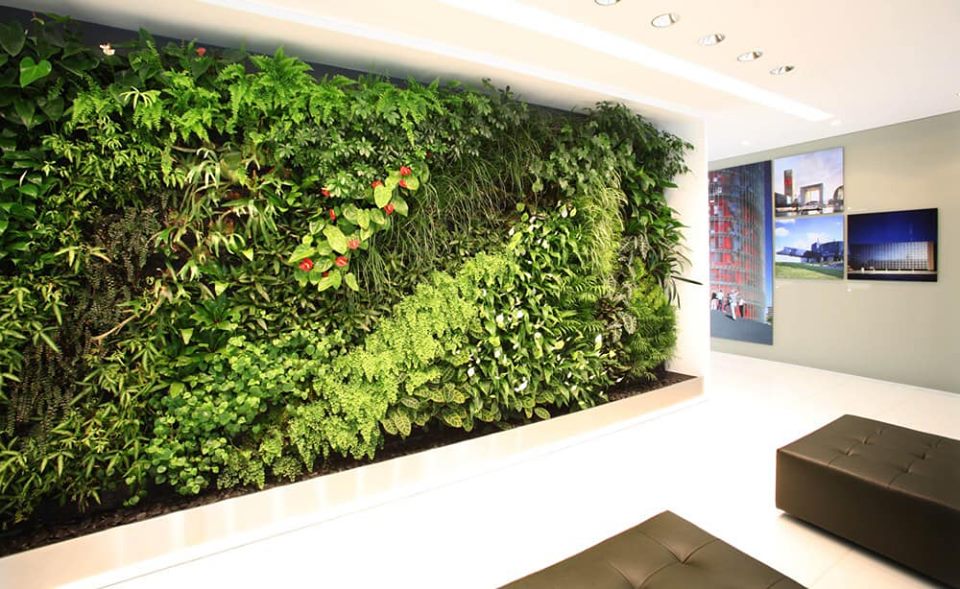
Vertical Garden Costs
How to Care for and Maintain a Vertical Garden
Unlike traditional planting, a vertical garden is a miniature ecosystem where growing space, nutrients, and water sources are tightly controlled. Therefore, to sustain its lush green beauty and extend the system’s lifespan, regular care and periodic maintenance are elements that cannot be overlooked. A technically correct care routine not only helps plants thrive healthily but also minimizes malfunctions that could affect the entire structure.
Proper Irrigation Scheduling
Vertical gardens require a steady water supply to prevent localized drying or root waterlogging. Depending on weather conditions, plant species, and the installation site (indoor or outdoor), the irrigation system is typically set to run 1–2 times per day. During the sunny season, watering frequency may need to be increased to maintain proper plant moisture, whereas it should be appropriately adjusted during the rainy season to limit excess water.
Periodic Fertilization
Since nutrients in the growing medium are limited, plants in a vertical garden must be supplemented with fertilizer regularly. Liquid organic fertilizers or diluted NPK can be applied on a cycle of every 2–4 weeks. Providing nutrients in the correct dosage ensures stable growth, maintains vibrant green leaf color, and enhances resilience to environmental conditions.
Pruning and Plant Replacement
During the growth process, some plants may grow faster than others, causing an imbalance in the overall design. Consequently, periodic pruning is required to maintain a neat appearance and ensure even light distribution across the entire system. Plants that are pest-infested, damaged, or weakened must also be replaced promptly to preserve the vertical garden’s aesthetic and vitality.
Checking the Irrigation System
The irrigation system is considered the “heart” of a vertical garden, directly dictating the plants’ ability to thrive. Property owners should periodically inspect nozzles, piping, pumps, and controllers to ensure stable operation. Early detection of clogging, leaks, or uneven water pressure will mitigate serious damage and reduce repair costs.
Controlling Light and Environmental Conditions
Different plants have varying light requirements; therefore, environmental conditions must be regularly monitored for timely adjustments. For areas lacking natural light, specialized grow lights can be added to support photosynthesis. In addition, maintaining stable humidity and temperature levels contributes to healthy and sustainable plant development.
Pest and Disease Prevention
The high-moisture characteristic of vertical gardens can create ideal conditions for fungal diseases and insects to thrive. Periodic inspections will help detect early abnormal signs on leaves, stems, or roots. Priority should be given to biological controls or safe plant protection products to treat pests, combined with preventative measures to minimize the risk of spreading throughout the system.
To achieve long-term aesthetic appeal and durability, choosing the right technical solution along with a professional installation contractor from the very beginning is paramount. A vertical garden system designed to standard specifications, combined with a scientific care regime, will maintain its lush, stable, and sustainable beauty for many years.
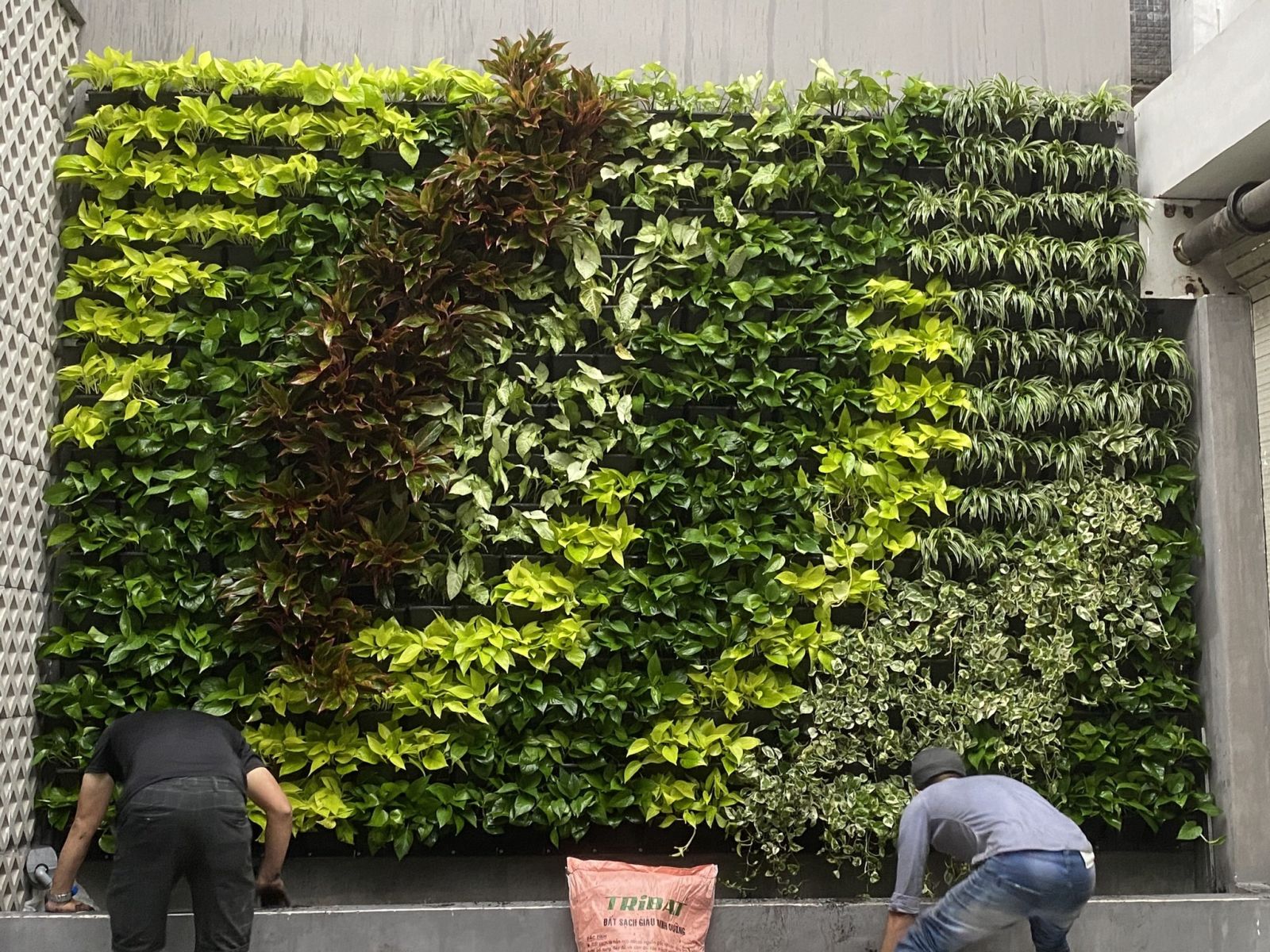
Vertical Garden Care and Maintenance
Suitable Plant Species for Vertical Gardens
Selecting the appropriate plant species is a critical factor driving the durability, growth potential, and aesthetic appeal of a vertical garden. Each plant has distinct requirements for light, water, and nutrients; therefore, selection must be based on the actual conditions of the project. During the design and installation process, plants are typically categorized by their growth characteristics to ensure the system develops stably, while minimizing long-term maintenance and replacement costs.
Shade-Tolerant Plants
The shade-tolerant plant group is an ideal choice for indoor vertical gardens or areas with limited natural light. Some commonly used species include pothos, ferns, peace lilies, dumb canes (Dieffenbachia), and fittonia (nerve plants). These species adapt exceptionally well to low-light environments, require minimal maintenance, and retain their lush green coloration year-round. Due to their stable growth characteristics, shade-tolerant plants are widely applied in residential buildings, corporate offices, hotels, and shopping malls.
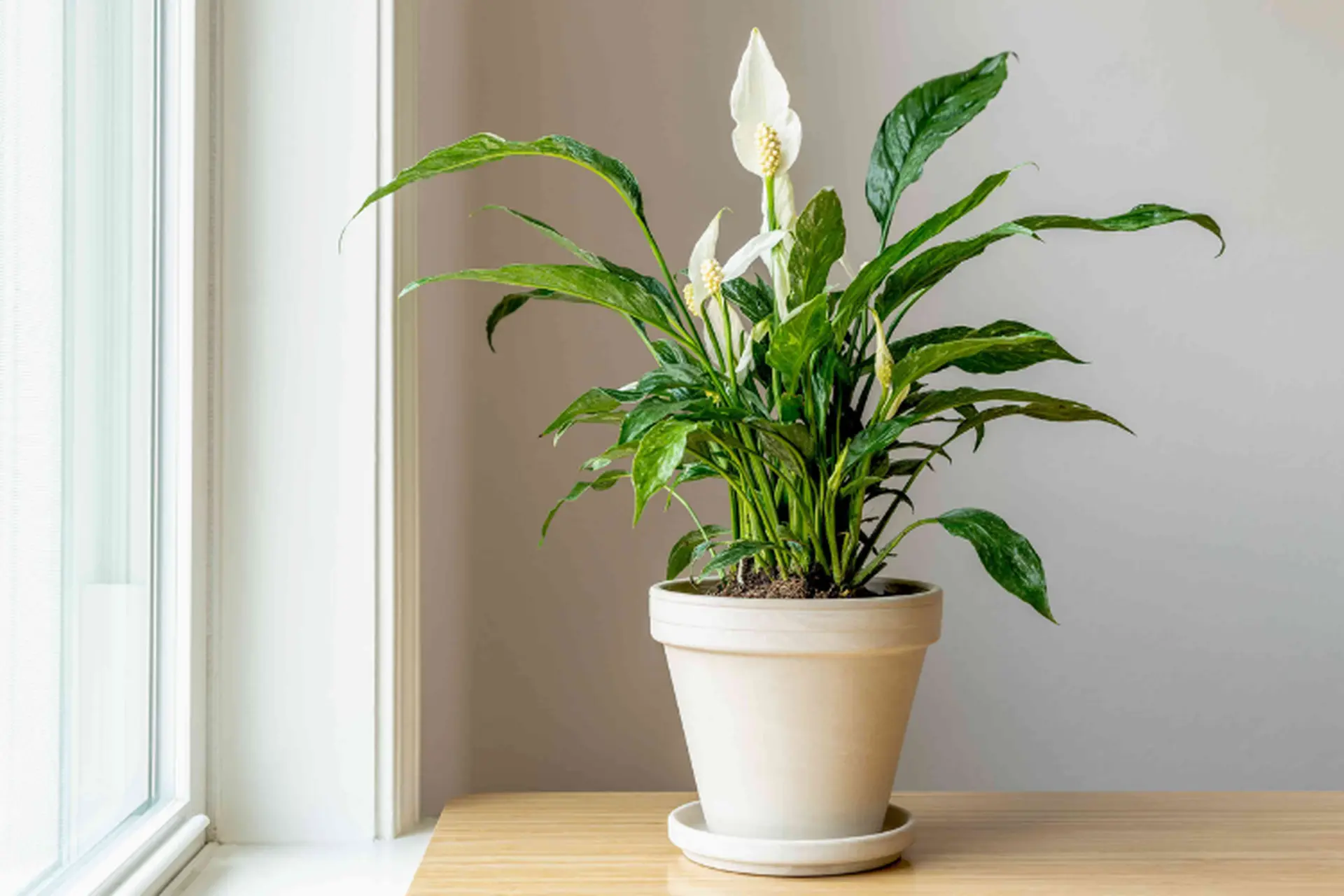
Peace Lily
Sun-Loving Plants (Light-Loving Plants)
For outdoor locations or areas that receive abundant sunlight, priority should be given to sun-loving species such as spider plants, petunias, golden dewdrops (Duranta erecta), moss roses, or blue daze. These plants feature rapid growth rates, diverse color palettes, and the ability to create striking landscape effects. However, to ensure optimal growth and prevent leaf scorch, the irrigation system must be appropriately designed to guarantee sufficient moisture throughout the entire growing process.
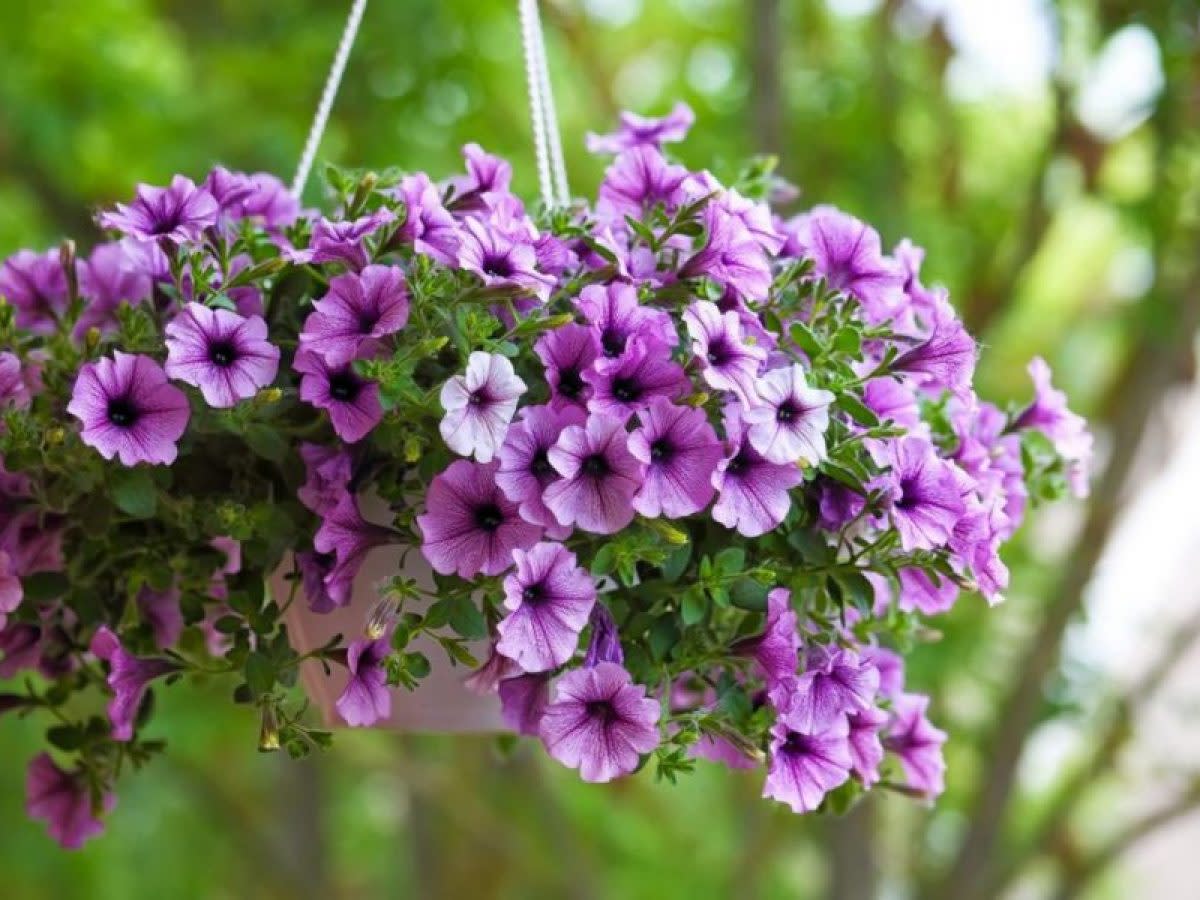
Petunias
Air-Purifying Plants
In modern living and working spaces, air-purifying plant species are becoming increasingly sought after. Plants such as snake plants, ivy, ZZ plants, parlor palms, and peace lilies not only bring natural beauty but also contribute to absorbing fine particulate matter, reducing specific airborne pollutants, and creating a healthier living environment. This group is particularly suited for indoor vertical gardens, corporate offices, or any area requiring air quality improvement.
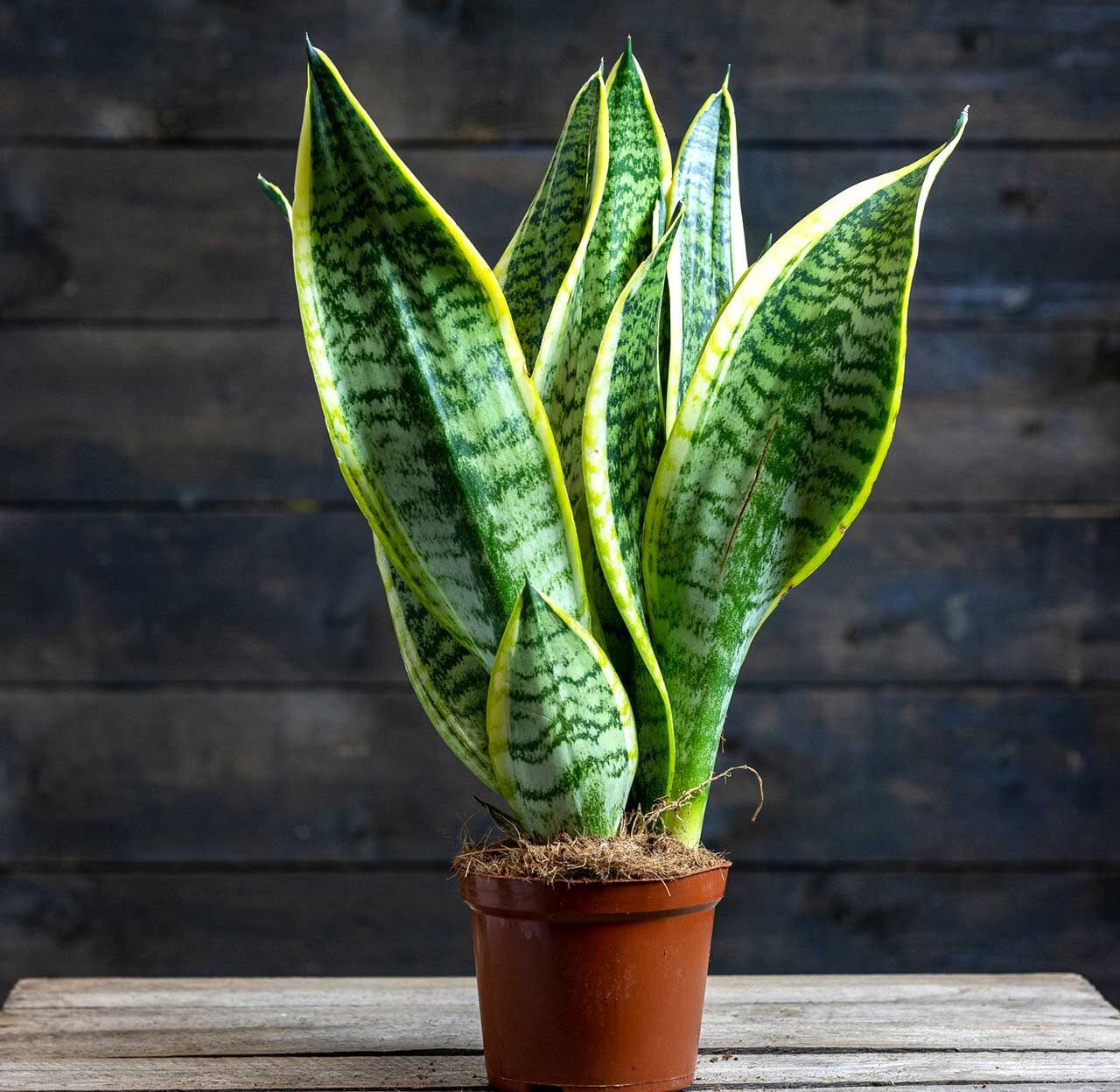
Snake plants
Accent Foliage Plants (Colored-Leaf Plants)
Alongside traditional greenery, many vertical garden projects incorporate accent foliage plants such as ti plants (Cordyline), red fittonia, aglaonema (red/pink cultivars), or calatheas (peacock plants) to create striking focal points. The harmonious blending of green, red, yellow, or purple tones lends the green wall a vibrant, dynamic appearance and added visual depth. This design solution is frequently applied to spaces requiring elevated aesthetics, such as restaurants, coffee shops, showrooms, or reception areas.
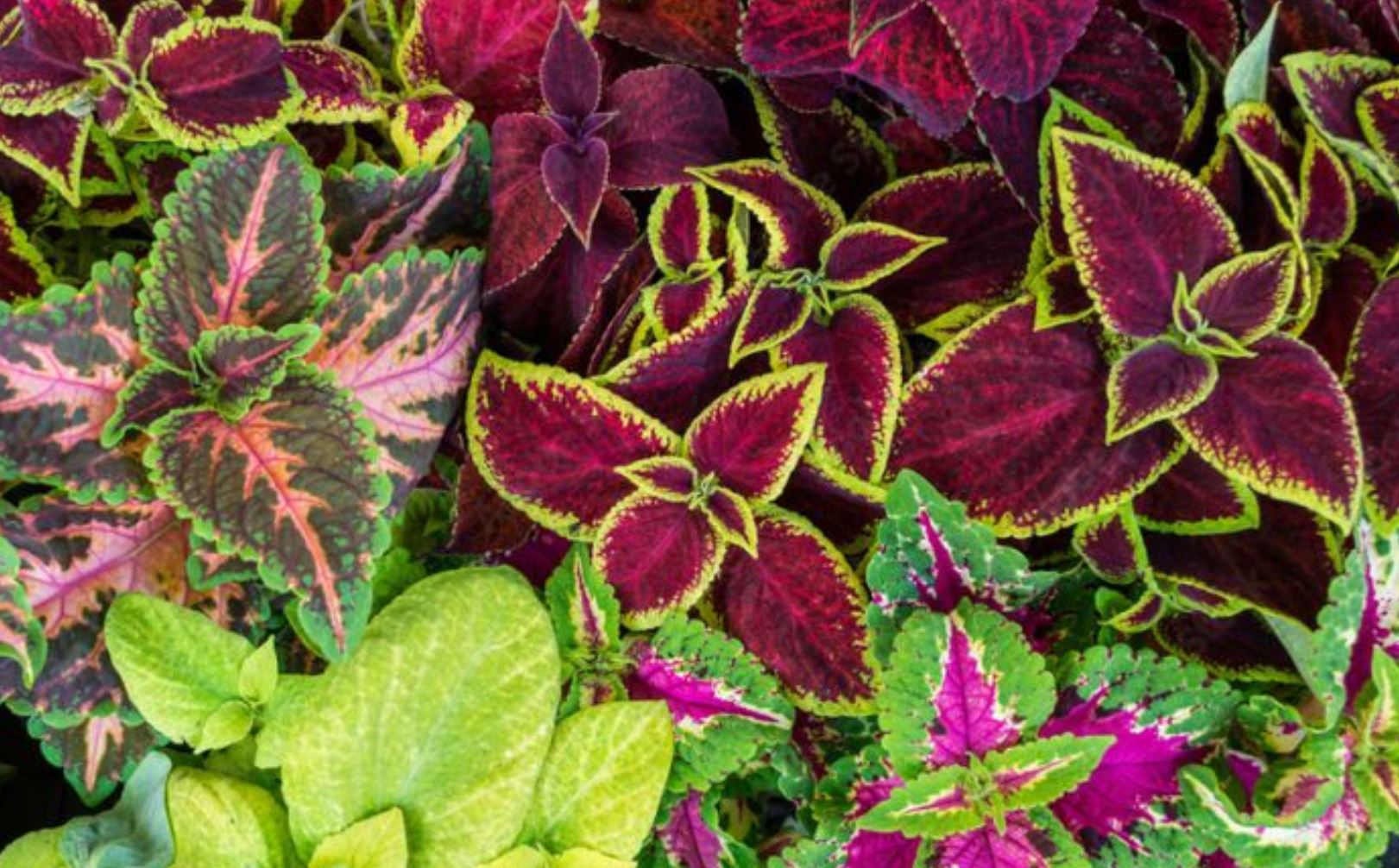
Coleuses
Selecting the right plant species not only ensures the vertical garden thrives healthily but also optimizes long-term care and maintenance costs during usage. To achieve sustainable, long-term efficiency, priority should be given to plants that perfectly match the climate conditions, lighting levels, and specific functional purposes of each individual project.
Hey Garden – Your Partner in Creating Sustainable Green Spaces
Vertical gardens are not only a space-optimizing solution but also a bridge that brings nature closer to modern life, creating a green, fresh, and highly aesthetic environment. To own a beautiful, sustainable, and low-maintenance vertical garden system, choosing the right design solution alongside a professional contractor is paramount.
Hey Garden proudly stands as a reputable landscape design and construction firm, providing tailored vertical garden solutions for a diverse range of projects—including residential homes, corporate offices, restaurants, hotels, and commercial centers. Driven by an experienced team and a standardized installation process, Hey Garden is committed to delivering quality, visually stunning, and time-tested green structures. We aim to elevate the value of our clients’ living and working spaces, making them greener and more inspiring every day.
HEY GARDEN CO., LTD
Address: 48 Street No. 13, Lakeview City Residential Area, Binh Trung Ward, Ho Chi Minh City, Vietnam
Hotline: 036 503 6006
Website: Heygarden.vn
HEY GARDEN — A Part of Your Life 🌿
