$0.00


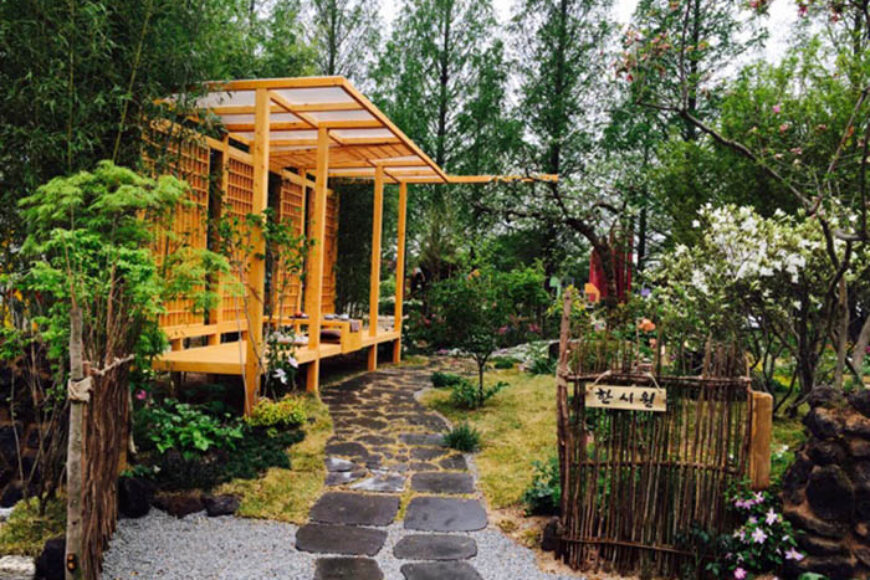
Have you ever dreamed of owning a peaceful garden—where every step brings a sense of calm, relaxation, and a deep connection with nature? Korean gardens are the perfect choice for those who appreciate simplicity blended with elegance, offering a space that feels both intimate and rich in character.
In this article, let’s explore the key features that make this garden style an increasingly popular trend among modern homeowners.
History and Design Philosophy of Korean Gardens
Korean gardens have a long history, originating as early as the Three Kingdoms of Korea period and flourishing during the Joseon Dynasty.
Within the broader flow of East Asian culture, although influenced by China and shaped through interactions with Japan, Koreans developed a distinctive garden style of their own. What sets it apart is the balance between aesthetics and philosophy of living—avoiding extravagance or excessive ornamentation, and instead embracing simplicity and harmony with the surrounding landscape.
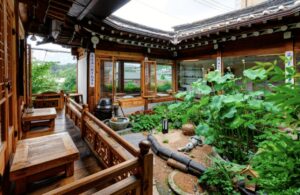
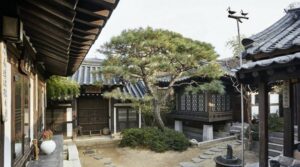
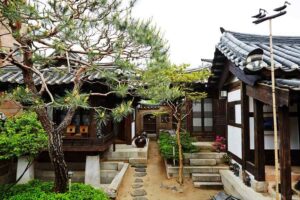
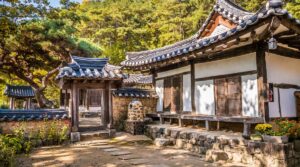
In the past, gardens were commonly found in palaces, temples, and aristocratic residences. Over time, this style gradually spread and became an integral part of traditional Korean architecture, especially in Hanok homes.
Korean gardens are rooted in the philosophy of “following nature,” meaning that design respects and works with the existing terrain rather than imposing human control over it. Elements such as stones, water, and plants are carefully selected and arranged to create a seamless, natural composition that feels gentle and unpretentious.
More than just spaces for viewing, these gardens serve as a bridge between humans and nature, helping to restore emotional balance and recharge energy in everyday life.
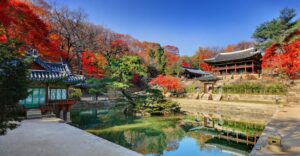
A defining characteristic of this philosophy is its emphasis on stillness. Rather than focusing on intricate details or complex symbolism, Korean gardens highlight simplicity and tranquility. A calm pond, a few clusters of bamboo, or a modest stone pathway can be enough to evoke a sense of peace, depth, and timeless beauty.
Korean-style garden
Feng Shui and Cultural Meaning in Korean Gardens
Korean gardens are not only visually appealing but also carry deep feng shui values and cultural significance closely tied to spiritual well-being.
At the core of their design is the balance of yin and yang. Stones symbolize strength and stability (yang), while water represents softness and fluidity (yin), complemented by greenery as a symbol of life and growth. When harmoniously combined, these elements create a space that is both grounded and dynamic, bringing positive energy and a sense of well-being to its inhabitants.
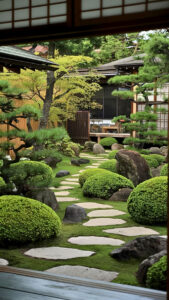
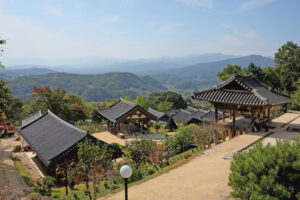
Beyond aesthetics, Korean gardens serve as spaces for tranquility and relaxation. Stone pathways, still water surfaces, and simple pavilions allow people to step away from the noise of daily life, unwind, meditate, and reconnect with their inner balance.
Whether applied in villas, cafés, or modern resorts, Korean gardens retain their traditional charm through a rustic, understated beauty. More than just landscapes, they act as a bridge between humans, nature, and cultural roots—embodying a sustainable and harmonious way of living over time.
Key Features of Korean Gardens
Korean gardens possess a distinctive style: simple yet refined, traditional yet seamlessly integrated into modern living. Every detail is thoughtfully designed, not just for decoration but to reflect a philosophy of living in harmony with nature.
Minimalist and tranquil spaces
Minimalism lies at the heart of Korean garden design. Spaces are intentionally uncluttered, emphasizing lightness and simplicity.
Empty spaces themselves become an essential “material,” allowing nature to breathe and express itself more clearly. This creates an atmosphere of calmness and relaxation—an ideal retreat from the busyness of everyday life.
Harmony of stone, water, and plants
In Korean gardens, the trio of stone, water, and plants forms the foundational design principle. Stones convey permanence and strength, water brings movement and softness, while plants represent vitality and growth.
When arranged thoughtfully, these elements create a balanced composition that is not only visually pleasing but also promotes a soothing and positive environment for those who experience it.