
Proper Garden Care: More Beautiful Every Day, Cost-Effective Over Time

Proper Garden Care: More Beautiful Every Day, Cost-Effective Over Time

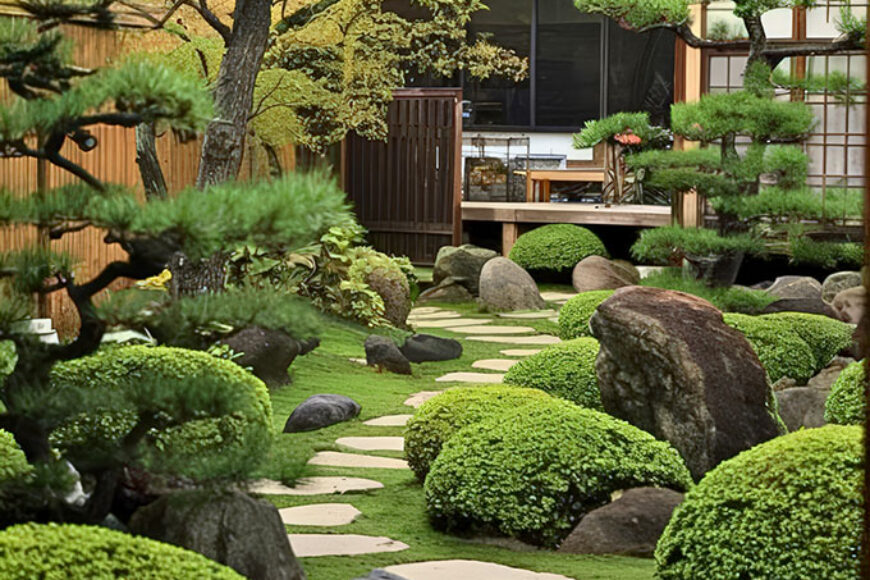
Garden care plays a vital role in maintaining the healthy growth of plants while keeping the space clean, organized, and harmonious with the overall architecture. It is not a one-time task, but a continuous process that involves multiple activities such as pruning, lawn care, fertilizing, watering, and pest control. When each step is clearly understood and applied correctly, it becomes much easier to keep the garden lush, vibrant, and true to its original design concept.

What is garden care?

Simply put, garden care is the process of maintaining and improving the overall quality of a landscape—from trees and lawns to soil and supporting systems. The goal is to create a space that is always fresh, well-kept, and visually balanced with its surroundings.

  • For plants, regular pruning helps remove damaged parts, shape the canopy, improve airflow, and encourage natural growth.
  • For lawns, consistent maintenance such as mowing, cleaning, and nutrient supplementation is essential to keep the grass evenly green and free from weeds.
  • Regarding soil and nutrition, timely fertilization and soil improvement enhance nutrient absorption, supporting strong and sustainable plant growth.
  • When it comes to watering, the amount of water should be adjusted based on weather conditions and plant types to avoid both overwatering and drought stress that can harm the roots.
  • At the same time, pest and disease control is a crucial step to detect early signs of damage and handle them promptly, protecting the entire garden ecosystem.
  • In addition, cleaning and maintaining technical systems such as irrigation and outdoor lighting should be done regularly to ensure the garden operates efficiently and remains in optimal condition.

In modern landscape design and construction, garden care is no longer just about maintenance—it is a key factor that determines the long-term sustainability of the ecosystem. No matter how well-designed a garden is, without proper care, plants will gradually weaken, the layout will lose its balance, and the overall aesthetic value will significantly decline over time.
Garden Maintenance

Benefits of Regular Garden Care

Regular garden maintenance not only preserves the beauty of your green space but also ensures healthy plant growth and supports a sustainable landscape system. When a garden is properly cared for, the living environment becomes fresher, more comfortable, and easier to manage over time.

  • Maintain aesthetic appeal
    Through regular pruning, lawn care, and cleaning, the garden remains neat and visually pleasing. Plants grow in balanced shapes, lawns stay evenly green, and decorative features are highlighted—creating an attractive focal point for the entire home.
  • Promote healthy plant growth
    With adequate water, nutrients, and proper sunlight, plants can grow steadily. Strong root systems and lush foliage help plants adapt better to environmental conditions and maintain long-term vitality.
  • Reduce pests and weeds
    Routine inspection allows early detection of pests, diseases, or fungal issues, enabling timely treatment before they spread. Removing weeds also minimizes competition for nutrients, helping plants thrive.
  • Enhance durability of the landscape system
    Beyond plants, elements such as irrigation systems, pathways, water features, and garden structures also require regular maintenance. Ongoing care helps identify and fix minor issues early, ensuring the entire landscape remains stable and durable over time.

Benefits of Regular Garden Care

Basic Garden Maintenance Tasks

Garden care goes far beyond simple watering—it is a comprehensive set of activities aimed at maintaining ecological balance and keeping the landscape in optimal condition. Each task plays a specific role in supporting healthy plant growth, ensuring a tidy environment, and maintaining the efficiency of technical systems.

Pruning and shaping plants

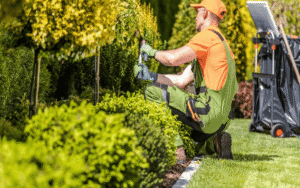
Regular pruning helps remove dead, diseased, or misaligned branches, keeping the canopy well-ventilated and balanced. For ornamental plants, proper shaping techniques also preserve the intended design and enhance the garden’s aesthetic value.

Lawn care

The lawn serves as the green foundation of the entire garden, so it requires consistent maintenance. Mowing at the right height promotes even growth and prevents patchiness or discoloration. In addition, proper fertilization and weed control help maintain a lush, uniform appearance.

Fertilization and soil improvement

Over time, soil can lose nutrients and become compacted. Adding fertilizers and improving soil structure increases fertility, enhances moisture retention, and creates a better environment for root development—laying the foundation for long-term plant health.

Watering and irrigation management

Providing the right amount of water is essential for plant vitality. Watering should be adjusted based on plant type and weather conditions to avoid drought stress or waterlogging. In larger gardens, automated irrigation systems ensure even distribution and save time and effort. Regular system checks also help maintain efficiency and prevent water waste.

Pest and disease control

Pests and diseases are among the main threats to plant health. Routine monitoring allows for early detection of issues such as leaf spots, wilting, or insect infestation. Timely intervention helps prevent the spread and protects the entire garden.

Cleaning and landscape upkeep

Fallen leaves, dry branches, and organic debris can create conditions for fungi and pests if left unattended. Regular cleaning keeps the garden neat, well-ventilated, and visually appealing, while also providing a more pleasant outdoor environment.

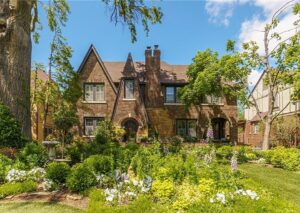
Properly carrying out these maintenance tasks ensures that the garden remains lush, healthy, and visually appealing, while preserving its landscape value over time.

Basic Garden Maintenance Tasks
Proper Garden Care Process

HEY GARDEN — A Part of Your Life 🌿

Leave your thought