
$0.00


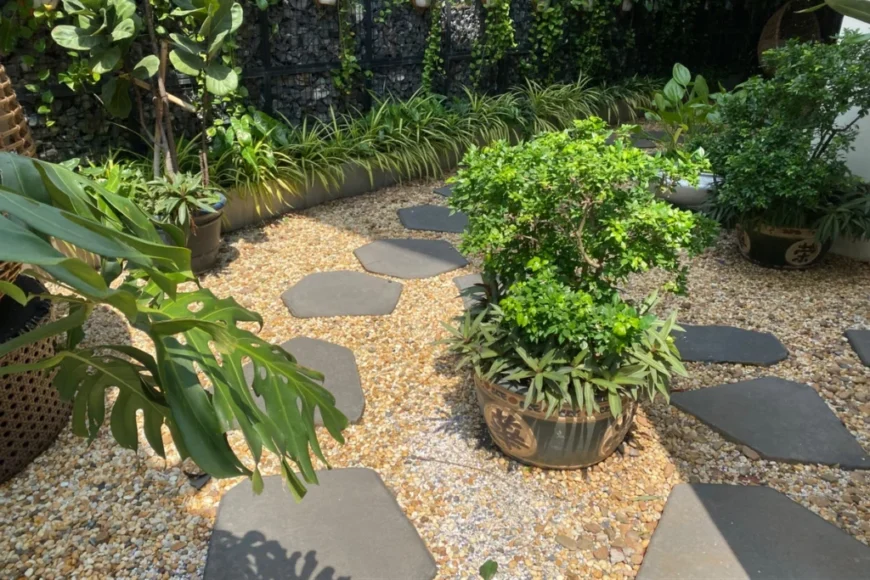
A beautiful garden does not depend solely on the materials used, but also on proper construction techniques from the very beginning. Laying garden gravel may seem simple, but if not done correctly, it can lead to issues such as ground subsidence, gravel displacement, weed growth, or water pooling over time. Therefore, understanding and following the correct installation process not only ensures aesthetic appeal but also extends the lifespan of the project and reduces long-term maintenance costs.
Common Types of Stone Used in Garden Landscaping
In garden design and construction, choosing the right type of stone plays a crucial role. It not only affects the overall visual appeal but also determines drainage capacity, durability, and usability. From a professional construction perspective, each type of stone is suitable for specific areas and purposes, so understanding their characteristics is essential before making a selection.
Natural Gravel
Natural gravel features smooth, rounded surfaces and comes in a variety of colors such as white, gray, yellow, and black. It is commonly used for pathways, plant beds, or as a base for decorative landscapes thanks to its soft and natural appearance. However, due to its smooth texture, proper installation techniques are required to prevent displacement, especially in high-traffic areas.
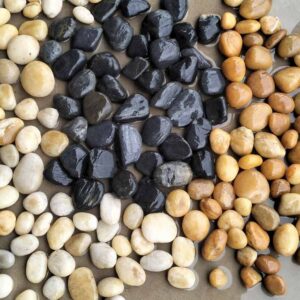
Natural Gravel
Crushed Stone (Base Layer)
This type of stone consists of small, angular pieces and is commonly used as a base layer beneath gravel surfaces. Crushed stone helps improve compaction, reduces the risk of subsidence, and enhances drainage efficiency, making it an essential component for a stable and long-lasting garden surface.
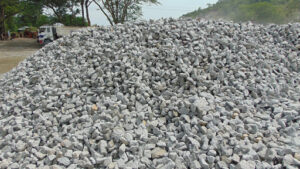
Crushed stone
Stepping Stone
Stepping stones are typically natural stone slabs or concrete pavers placed intermittently on gravel or grass to form a convenient walkway while enhancing the overall aesthetics. This solution helps reduce direct foot traffic on loose gravel, keeping the garden surface neat and well-organized.
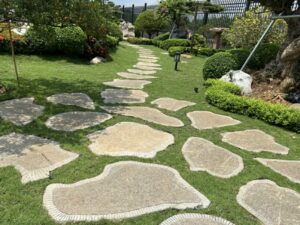
Stepping Stone
Granite stone
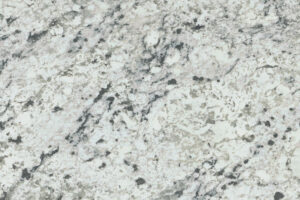
Granite stone
Slate Stone
Slate is a natural stone known for its deep, muted tones and distinctive layered texture, making it ideal for minimalist or nature-inspired garden designs. Its naturally textured surface provides excellent slip resistance, ensuring safety in outdoor areas. In practice, slate is commonly used for stepping stone pathways, decorative paving, or combined with landscape lighting to enhance visual effects—especially at night—adding depth and a striking character to the overall space.
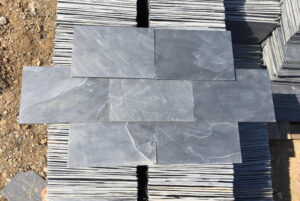
Slate Stone
Benefits of Properly Installing Garden Gravel
When designed and installed correctly, garden gravel is not only a decorative element but also offers significant benefits in terms of functionality, aesthetics, and long-term maintenance costs. Below are the key advantages when proper techniques are applied in practice.
Enhances Aesthetics and Spatial Depth
Gravel creates a naturally textured surface that softens the overall look of the garden, making it more harmonious compared to hard materials. When arranged properly, it acts as a neutral background that highlights greenery, decorative stones, and architectural features. Additionally, using gravel to define different zones helps create a clear layout, adds visual depth, and prevents the space from feeling cluttered or monotonous.
Reduces Weed Growth and Improves Drainage
When combined with a weed barrier fabric, gravel helps block sunlight from reaching the soil, significantly reducing weed growth. At the same time, its loose structure allows rainwater to drain quickly into the ground, preventing water accumulation and minimizing mud splashes—especially in areas frequently exposed to moisture.
Lowers Long-Term Maintenance Costs
Compared to bare soil or grass areas that are difficult to maintain, gravel significantly reduces the need for weeding, cleaning, and post-rain surface treatment. When installed correctly, gravel surfaces remain stable, require minimal upkeep, and can be easily replenished when needed, helping save both time and maintenance costs over the long term.
Creates Accents for Pathways and Landscape Features
Gravel is an ideal material for defining pathways and adding visual interest to garden spaces. Gravel paths combined with stepping stones not only provide convenient access but also create a natural and inviting feel. In decorative areas or relaxation zones, gravel serves as a base that enhances the beauty of plants, stones, and other features, while contributing to a calm, balanced, and soothing atmosphere.
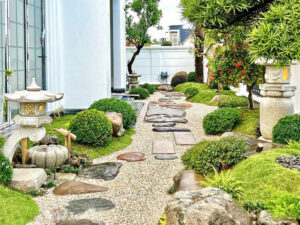
Benefits of Properly Installing Garden Gravel
Design Principles Before Laying Garden Stones
Before construction begins, the design phase plays a crucial role in determining both the durability and aesthetics of the entire garden. In practice, many projects deteriorate quickly not because of poor materials, but due to a lack of proper planning from the start. Therefore, to apply garden stone installation effectively, the following core principles should be followed.
Define the Purpose of Each Area
Each zone in the garden serves a different function and should be clearly defined from the beginning. Main pathways require high stability to withstand load and minimize movement, while secondary paths prioritize a more natural and comfortable feel. Decorative areas, on the other hand, focus more on visual appeal than load-bearing capacity. If the purpose is misidentified, the entire material selection and construction approach will become unsuitable.
Calculate Area and Stone Layer Thickness
The thickness of the stone layer not only affects cost but also determines long-term durability. For decorative areas, a thinner layer may be sufficient to achieve the desired visual effect. In contrast, walkways require a thicker layer to prevent subsidence. Without proper calculation, surfaces can become unstable, leading to repeated material additions and increased maintenance costs.
Choose Colors That Match the Overall Design
Since stone covers a large portion of the garden, its color must be carefully considered. Modern spaces often suit neutral tones such as gray or black for a clean and refined look. Meanwhile, natural-style gardens work better with earthy tones like brown, yellow, or mixed gravel. Poor color coordination can make the space feel cluttered and diminish its visual impact.
Ensure Proper Drainage
Drainage is a critical technical factor that is often overlooked. Without proper slope design or a supportive base layer, water can accumulate on the surface, leading to moss growth and faster deterioration. In professional construction, a slight slope is always calculated and combined with appropriate base materials to ensure natural water flow without affecting the structure.
Define Clear Boundaries and Zones
A well-organized layout makes both construction and maintenance easier. Using edging to separate areas not only keeps the stones in place but also creates clean and defined lines in the design. Without proper boundaries, stones can easily spread beyond their intended area, disrupting the layout and reducing overall aesthetics.
Consider Long-Term Maintenance
Garden design should not focus solely on initial appearance but also on long-term usability. Materials that are too small or lightweight may look appealing at first but can shift over time. Choosing the right stone size and base structure helps minimize maintenance efforts and costs. This is a key difference between purely decorative designs and those built for practical, long-lasting use.
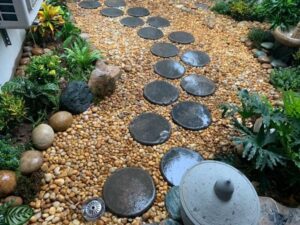
Nguyên Tắc Thiết Kế Trước Khi Rải Đá Sân Vườn
Materials and Tools Preparation
In practical construction, preparation is a foundational step that determines the durability, aesthetics, and overall progress of the project. If materials or tools are missing or improperly selected, issues such as ground subsidence, stone displacement, or uneven surfaces can easily occur. Therefore, to properly install garden stones, it is essential to prepare both materials and tools according to technical requirements.
Material Preparation
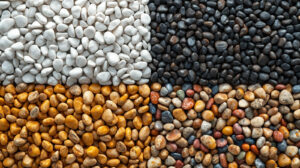
Material selection should be based on the intended use and the actual conditions of the garden to ensure long-term performance. Surface materials can include natural gravel, pebbles, or decorative stones, depending on the design style. Beneath the surface, a base layer of crushed stone or sand is required to improve stability and support effective drainage.
In addition, geotextile fabric is an essential layer that helps prevent weed growth and stops soil from mixing with the stone layers. To maintain clear boundaries and prevent stones from spreading, edging materials such as plastic, metal, or concrete should be installed. Depending on project requirements, additional materials like drainage gravel or specialized underlayment layers may also be used.
Properly combining these material layers ensures a stable, durable surface while reducing long-term maintenance costs.
Material Preparation
Tool Preparation
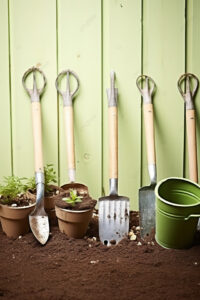
In addition to materials, having the right tools is essential to ensure accuracy and efficiency during construction. Basic tools such as shovels and rakes are used for leveling the ground and evenly spreading the stones. Measuring tools and a spirit level help check dimensions and ensure a flat, properly aligned surface. Wheelbarrows or other transport tools make it easier to move materials quickly and conveniently.
If available, a compactor is highly recommended to firmly compress the base layer, minimizing the risk of future subsidence. Finally, trowels and finishing tools are used to refine details, resulting in a clean, well-organized, and aesthetically pleasing garden surface.
Tool Preparation
Hey Garden – A Trusted and Professional Garden Construction Company
With many years of experience in garden design and construction, Hey Garden has established itself as a trusted provider in creating high-end green spaces. The company delivers a wide range of styles, from modern and minimalist designs to Japanese gardens, resort landscapes, and luxury villa gardens.
Hey Garden’s strengths lie not only in its practical experience but also in its systematic and in-depth approach to every project:
Experienced Architects and Engineers
Each project is carried out by a team of highly skilled professionals with deep knowledge of landscape design, materials, and Vietnam’s climate conditions. This ensures that every solution achieves a perfect balance between aesthetics and practical functionality.
Professional Construction Process with Guaranteed Timeline
From site survey and concept development to final construction, every stage follows a clear and well-controlled process. This approach ensures project timelines are met while minimizing unnecessary issues or delays.
High-Quality Materials Suitable for Real Conditions
Hey Garden prioritizes the use of natural materials such as stone, gravel, wood, and bamboo, combined with climate-appropriate plants. This ensures that each project is not only visually appealing but also durable and cost-effective in terms of long-term maintenance.
After-Sales Service and Maintenance
Beyond project completion, Hey Garden provides ongoing garden care and maintenance services to ensure that each space maintains its beauty and long-term value.
HEY GARDEN CO., LTD
Address: 48 Street No. 13, Lakeview City Residential Area, Binh Trung, Ho Chi Minh City, Vietnam
Hotline: 0916 909 535
Website: Heygarden.vn

HEY GARDEN — A Part of Your Life 🌿
