Compilation of the most beautiful rockery aquarium designs in 2026

Compilation of the most beautiful rockery aquarium designs in 2026

Rockery in aquariums (aquascape rockery) is a combination of miniature mountains, aquatic plants, and ornamental fish, creating a mini ecosystem that is both visually appealing and relaxing. This has become a popular aquarium decoration trend, as it brings a vivid sense of nature right into your home.

Below are the most beautiful and popular rockery aquarium designs in 2026.

1. Natural rock mountain rockery (Iwagumi Style)

Characteristics

The natural rock mountain aquascape in Iwagumi style is one of the most popular layouts in modern aquascaping. This style uses natural stones such as Seiryu Stone or Dragon Stone to recreate the look of miniature mountains within the aquarium. The stones are typically arranged in groups of 3–5 main rocks, forming a composition that resembles a natural mountain range.

The substrate is often covered with white sand or low-growing aquatic plants like dwarf baby tears or hairgrass, helping to highlight the rocks and add depth to the layout. Although simple in appearance, this design requires a high level of precision and aesthetic sense to achieve a truly harmonious and natural look.

Advantages

The Iwagumi-style rockery features a minimalist yet luxurious aesthetic, making it suitable for various spaces such as living rooms, offices, or cafés. Its open layout creates a sense of spaciousness and makes the aquarium easy to observe.

In addition, this design pairs well with small schooling fish like neon tetras, guppies, or rasboras, creating a lively and natural scene. Today, Iwagumi is considered one of the leading trends in modern aquascaping, widely favored by aquarium enthusiasts and designers.
2. Bonsai rockery in aquariums

Characteristics

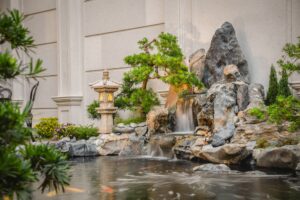
Bonsai-style rockery in aquariums is a layout that combines stones, driftwood, and aquatic plants to recreate the image of an ancient tree growing on a miniature rocky mountain. In this design, bonsai driftwood is used to shape the trunk and branches, while aquatic moss such as Java moss or mini moss is attached to form natural foliage.

The base of the “tree” is often combined with small stones to create the impression of a mountain or hillside in nature. As the moss grows lush and green, the entire layout resembles a miniature forest within the aquarium, offering a vivid and natural appearance.

Advantages
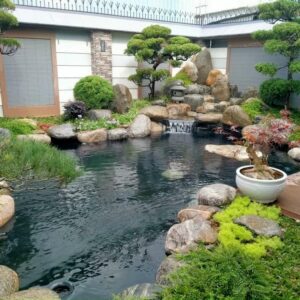
This type of rockery creates the feeling of a miniature mountain forest inside the tank, making the aquarium more artistic and visually striking. In addition, the gaps between stones and driftwood roots provide natural hiding spots for fish, helping them feel safe and reducing stress.

With its flexible size and high aesthetic value, the bonsai layout is very popular in mini aquariums and aquascapes, especially for those who love a refined, nature-inspired style.

3. Mini waterfall rockery in aquariums

Characteristics

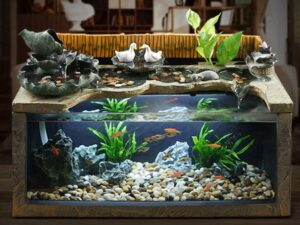
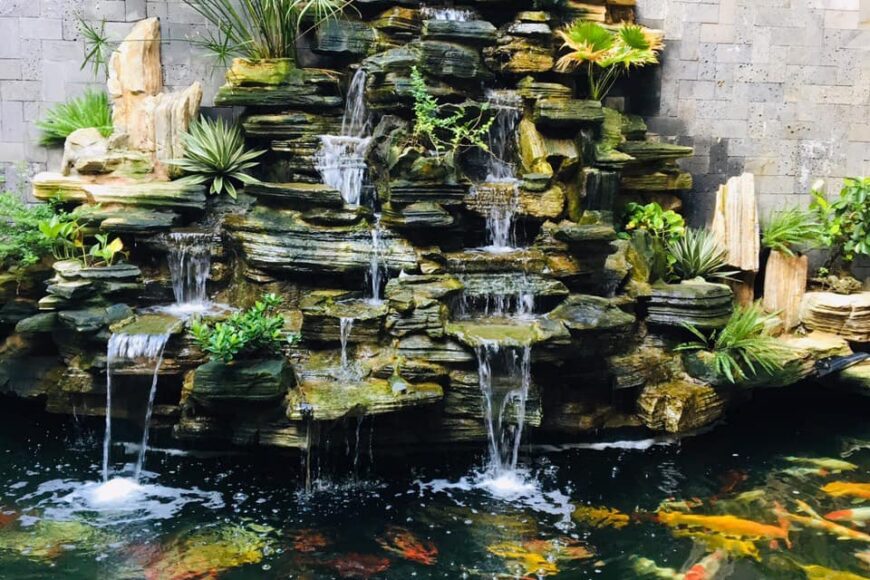
A mini waterfall rockery in an aquarium is a design that combines rocky mountains with a small waterfall, creating a lively natural scene within the tank. In this layout, stones are arranged to form a mountain or cliff-like structure, with a gentle stream of water flowing from the top down into the aquarium.

To maintain continuous water flow, the system typically uses a mini pump combined with hidden piping behind the rockery. As the water cascades down, it creates an effect similar to a natural waterfall in the mountains, making the aquarium more dynamic, realistic, and visually captivating.

Advantages

The mini waterfall rockery creates a highly dynamic visual effect, making the aquarium more striking and attractive. In feng shui, the continuous flow of water symbolizes wealth and the smooth circulation of positive energy within the living space.

In addition, the gentle sound of flowing water from the mini waterfall creates a relaxing atmosphere, helping to reduce stress after long working hours. This type of rockery is especially suitable for living rooms, offices, or common living spaces, serving both as decoration and a unique natural focal point.

4. Floating island rockery in aquariums

Characteristics

The floating island rockery is designed with a layout that resembles a small island in the middle of a lake, creating a strong focal point at the center of the aquarium. Stones and aquatic plants are usually concentrated in the middle area to form a compact rock formation or island, while the surrounding space is kept open to enhance the feeling of a wide, open water surface.

This design often combines natural stones, aquatic plants, and moss to recreate the look of a real island in nature. When arranged properly, the composition brings balance and harmony to the entire aquarium layout.

Advantages

This style helps create depth and an open-space effect, making the aquarium appear larger and more natural. It is especially suitable for long or rectangular tanks, as it establishes a clear central focal point.

In addition, when fish swim around the island of rocks and plants, the aquarium becomes more lively and visually engaging, resembling a miniature natural ecosystem.

5. Cave rockery for aquariums

Characteristics

The cave rockery design uses stacked natural stones to create caves or small tunnels within the aquarium. This layout simulates underwater cliffs and natural cave systems commonly found in aquatic environments.

Small gaps and passages are carefully arranged so fish can swim through, hide, or rest inside them. When combined with aquatic plants, moss, or substrate, the entire setup forms a highly natural and immersive underwater rocky landscape.

Advantages

The cave rockery enhances the natural ecosystem within the aquarium, closely mimicking the fish’s natural habitat. The hidden spaces also provide a sense of safety, especially for species that prefer shelter.

This design is particularly suitable for fish such as bettas, tetras, or ornamental shrimp, as they naturally enjoy hiding among rocks and structured environments. As a result, the aquarium becomes not only more visually appealing but also healthier for aquatic life.

How to choose a suitable aquarium rockery

  • Shape: There are many mountain forms that can be used in rockery design. However, to ensure stability, the base must be strong enough to support the weight of the entire structure. If the formation is tilted, counterweights should be added to prevent collapse or imbalance.
  • Proportion: The overall size of the rockery must match the size of the aquarium. Larger tanks allow more complex designs, while smaller tanks should prioritize simple layouts with fewer details to avoid a cluttered and visually overwhelming effect.
  • Gaps and water flow design: Although a rockery is made from multiple stone pieces, small gaps must always be left between them. These gaps help create natural water flow effects, allowing water to cascade from higher sections down into the tank, making the scene more dynamic and realistic.
  • Stone selection: The type of stone directly affects both durability and aesthetics. It is important to choose high-quality natural stones that are safe for aquatic environments. In addition, selecting stones that align with the homeowner’s feng shui elements can also enhance harmony and positive energy in the space.

HEY GARDEN CO., LTD

Address: 48 Street No. 13, Lakeview City Residential Area, Binh Trung Ward, Ho Chi Minh City, Vietnam
Hotline: 0916 909 535
Website: Heygarden.vn

HEY GARDEN — A Part of Your Life 🌿

Leave your thought